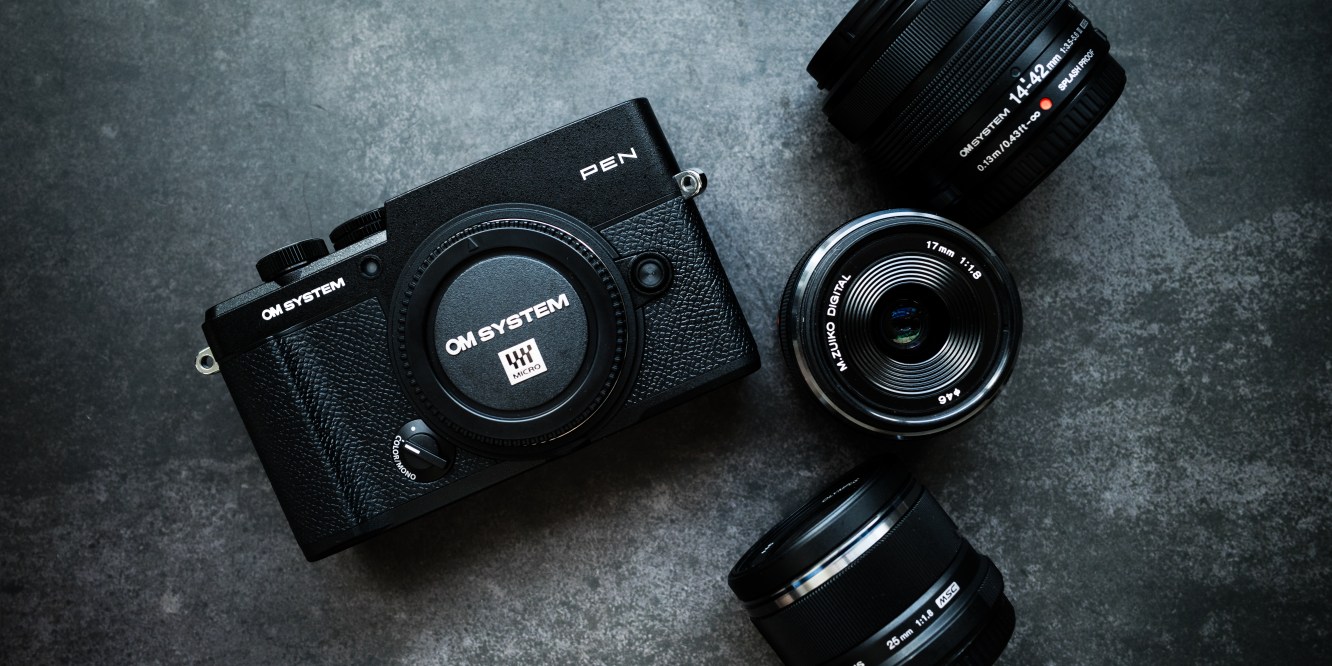
The PEN in my photography journey
The Olympus PEN E-P1, from the company now known as OM System since 2021 was my first serious camera, and so naturally I approach today’s review of the new 2026 OM System PEN with a little more emotions attached than usual.
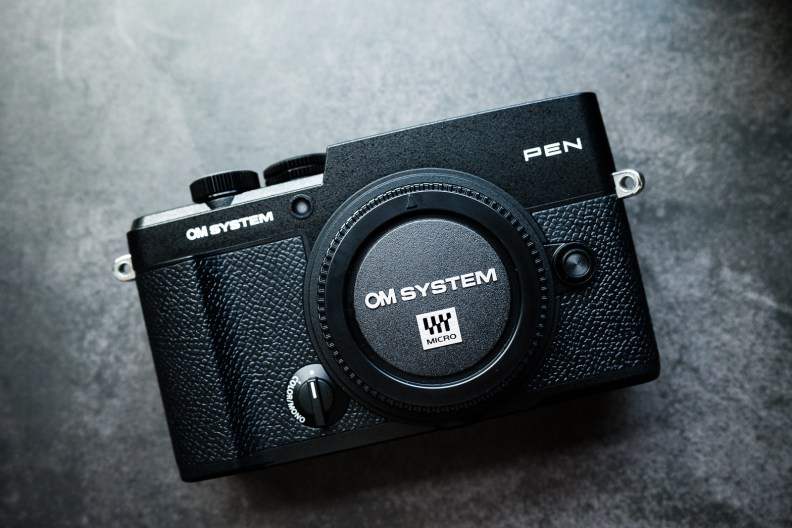
I can still recall my 2009 Olympus PEN E-P1 with the first generation M.Zuiko 14-42mm kit lens. It was the camera which pulled me into photography, and more importantly, introduced me to the Micro Four Thirds system and my first groupie sessions with fellow photography enthusiasts, many from the Four-Thirds system (yes, such a thing did exist).

From there, things escalated rather quickly, with me falling in love with the MicroFourThirds (MFT) Pen series, upgrading to the E-P3, E-P5 models and on.

I went through quite a number of Olympus bodies and lenses over the years, with cameras like the E-M5 accompanying me on my trek to Nepal’s Annapurna Base Camp. Yet despite all these, it was always the PEN series which first sparked my interest in photography, culminating for me in the beautifully designed Olympus PEN-F within the Micro Four Thirds ecosystem around ten years ago.

my review of the OM-5 Mark II is here
In a way, the PEN name is where my journey with photography really started.
And this is why seeing the PEN name return under OM SYSTEM carries more meaning for me than simply another new camera announcement.
The new OM SYSTEM PEN is still unmistakably a Micro Four Thirds camera, but this is no stripped-down exercise in nostalgia. Underneath the classic PEN-inspired exterior are high end features such as built-in five-axis stabilisation, hybrid phase and contrast-detection autofocus and quite a comprehensive list of OM SYSTEM’s computational photography functions.
The more interesting question, then, is whether OM SYSTEM has managed to retain what made the PEN cameras attractive in the first place while creating something relevant for photographers in 2026.

Let us take a closer look.
Disclaimer: The OM System PEN review set was returned end of August, and there may be further updates for the final production set.
tl:dr
The OM SYSTEM PEN feels like an overdue return to one of the most important names in Olympus’ digital camera history, but thankfully, it is not simply the PEN name slapped over some half-hearted effort.
At its heart is a 20.4-megapixel Micro Four Thirds Live MOS sensor, paired with built-in five-axis sensor-shift stabilisation rated at up to 5.5 stops at the centre of the frame. Autofocus combines on-sensor phase-detection and contrast-detection AF, with 121 cross-type phase-detection points and a surprisingly extensive list of focusing options.

It also brings along features one increasingly associates with OM SYSTEM rather than simply Olympus nostalgia: Live ND, Handheld High Res Shot, Live Composite, focus stacking, Pro Capture and Starry Sky AF among others. Live ND provides ND2, ND4, ND8 and ND16 settings, while Handheld High Res Shot can produce 50-megapixel JPEG and RAW files.
But specifications are only half the story.
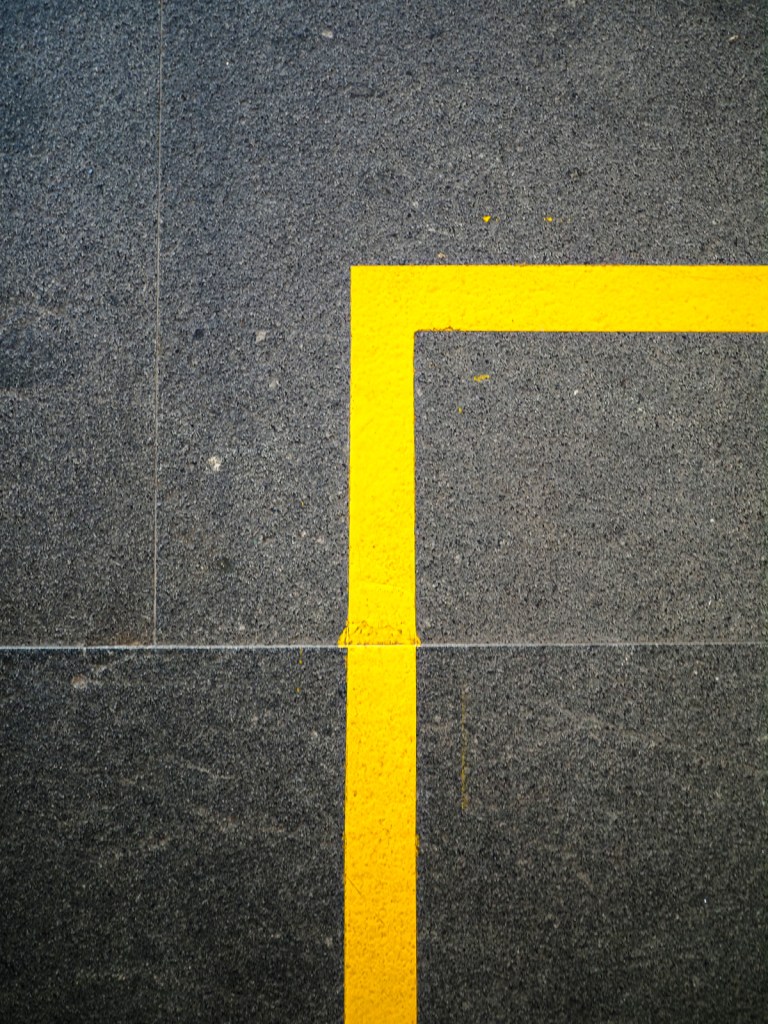
What makes this PEN interesting to me is how OM SYSTEM has again placed a stronger emphasis on the photographic experience, particularly through its Color Creator and Monochrome Creator functions.
This feels less like a camera designed to win a specifications argument, and more like one designed to make you want to photograph.
And for something carrying the PEN name, I think that is exactly the point.
Technicalities
The OM SYSTEM PEN is a Micro Four Thirds interchangeable-lens camera.
Some key specifications are:
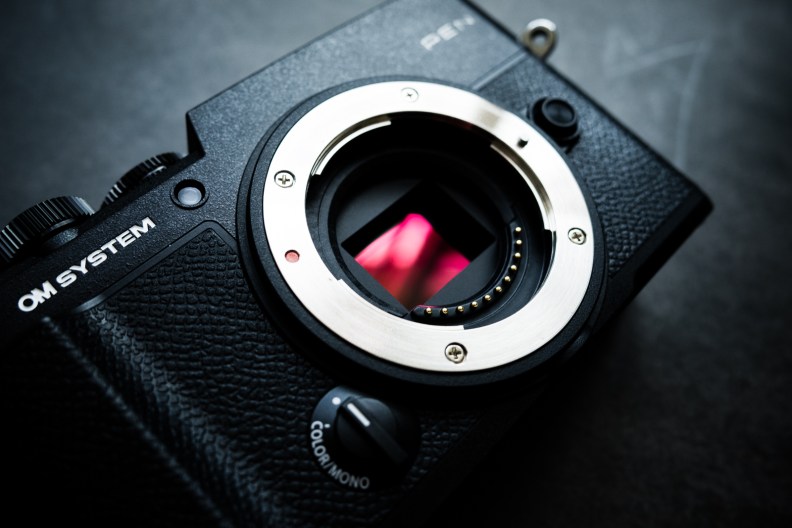
- 20.4MP 4/3 Live MOS sensor for the Micro Four Thirds mount (MFT cameras have a 2x crop)
- JPEG / 12-bit lossless-compressed RAW
- Built-in 5-axis sensor-shift image stabilisation with up to 5.5 stops centre / 4.5 stops corner in-body stabilisation
- Hybrid phase-detection and contrast-detection autofocus
- 121 cross-type phase-detection AF points
- Approx. 2.36-million-dot OLED EVF
- 3-inch, approx. 1.04-million-dot vari-angle touchscreen
- Mechanical shutter to 1/4000 sec and Electronic shutter to 1/32000 sec
- Up to approximately 30fps Silent Sequential H shooting (focus and exposure fixed on the first frame)
- Live ND ND2 / ND4 / ND8 / ND16
- Computational photography functions: 50 MP Handheld High Res Shot, Live Composite, focus stacking, Pro Capture and Starry Sky AF among others
- Refreshed Color Profile Control, and extended list of Color and Monochrome Profiles
- 4K up to 30p and C4K 24p video
- Uses the new Olympus BLS-7 battery, rated for 410 shots (CIPA test standards)
- Dimensions 125.8 × 74.5 × 43.3mm and approx. 393g including battery and memory card
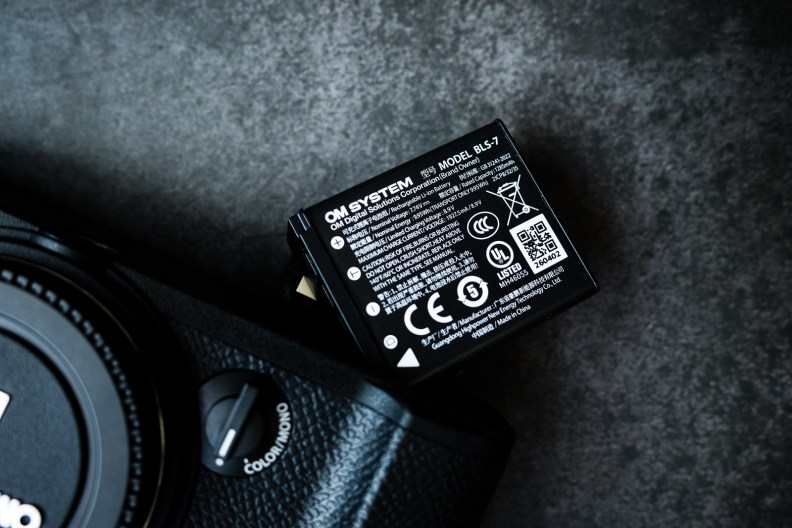
Image Stabilisation
For a camera designed around compact lenses and everyday photography, stabilisation is built into the body.
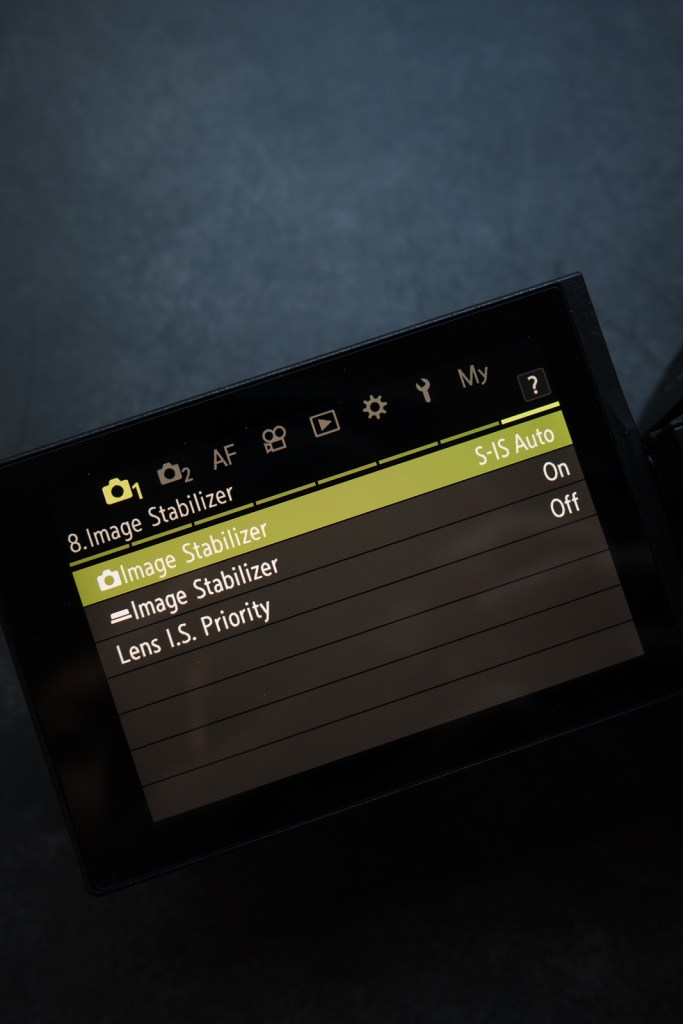
The PEN camera is equipped with in body five-axis sensor-shift image stabilisation, with S-IS AUTO, S-IS1, S-IS2 and S-IS3 modes available. OM SYSTEM rates compensation at 5.5 stops at the centre and 4.5 stops towards the corners.
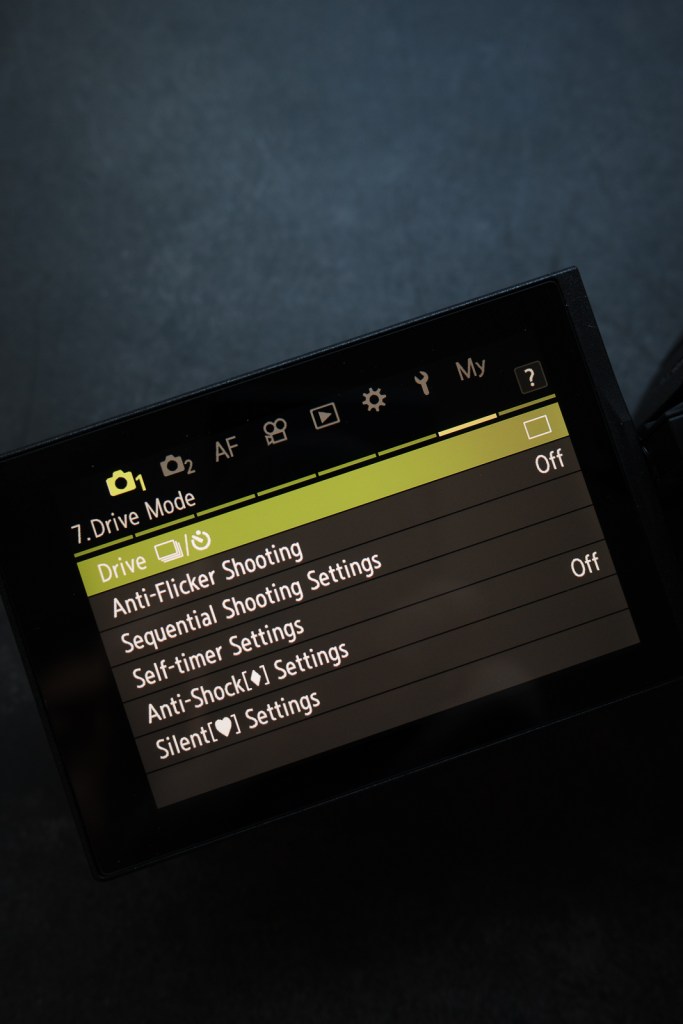
This may not sound as headline-grabbing as some of the figures we see from the flagship OM cameras, but one should remember the context where a PEN camera paired with something like a small 17mm or 20mm prime is precisely the type of camera one is likely to photograph handheld with, often without having to carry a tripod.
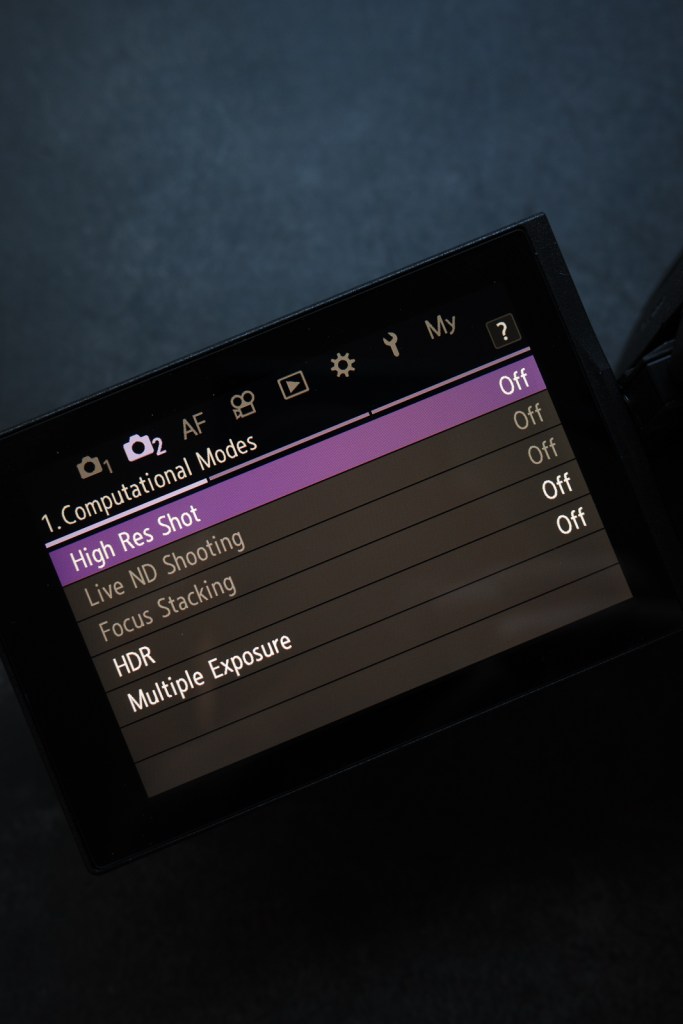
And this is exactly where having effective in-body stabilisation that works in tandem with their 50 MP Handheld Hi Res Shot function matters.
Autofocus performance
Focusing is handled through what OM SYSTEM describes as High-speed Imager AF, combining on-sensor phase-detection AF with contrast-detection AF.
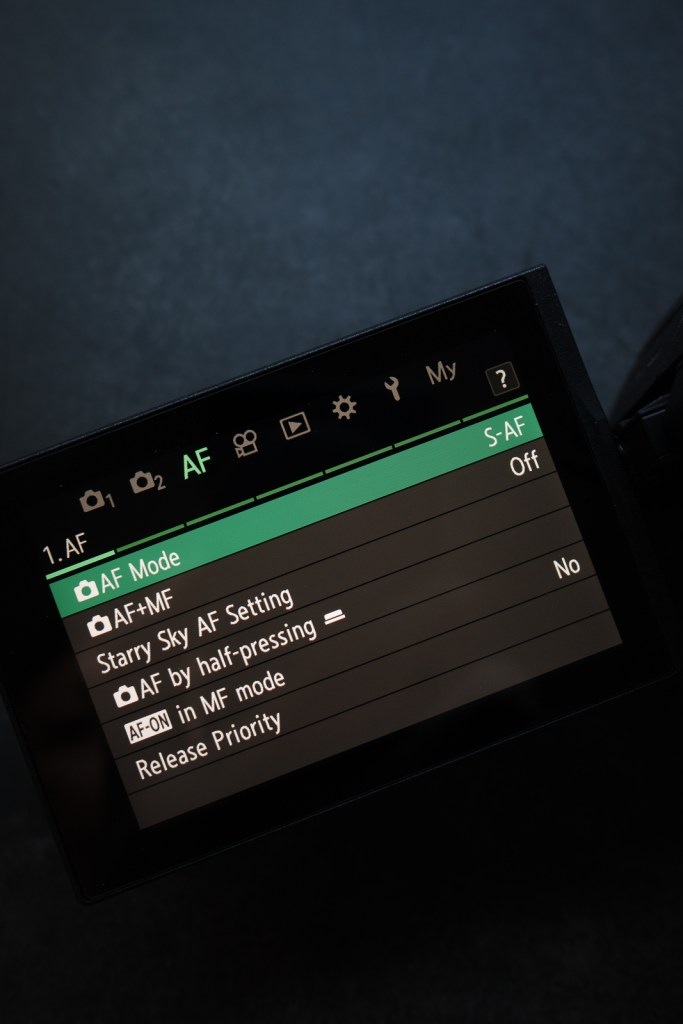
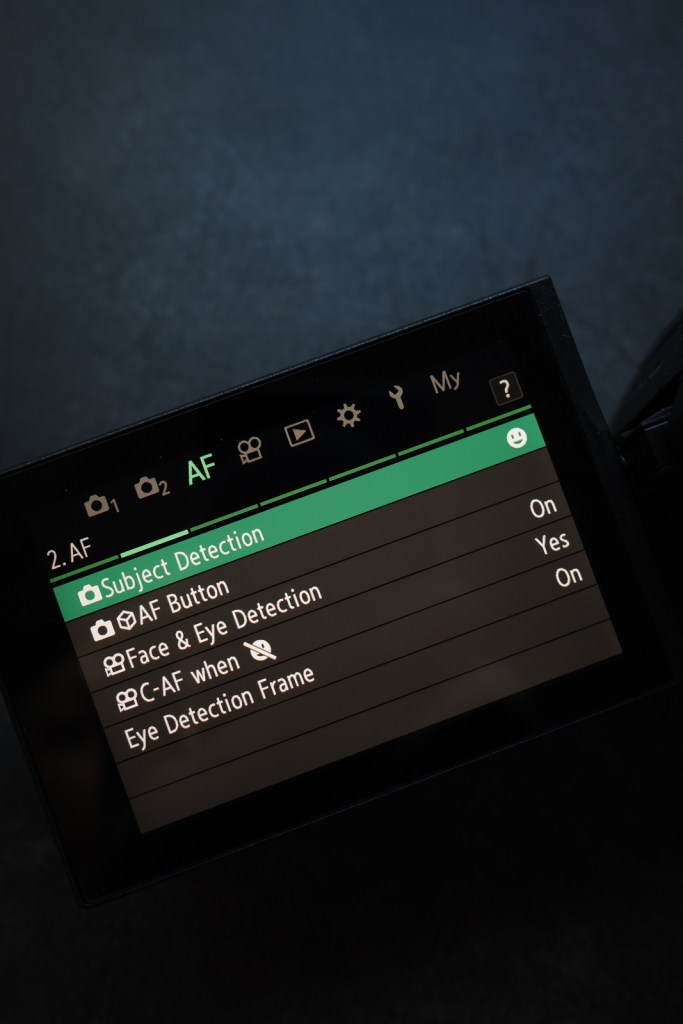
There are 121 cross-type points working with a hybrid phase-detection and contrast-detection system, together with Single, Small, Cross, Middle, Large and customisable AF target configurations. S-AF, C-AF, tracking, manual focus, AF+MF and even Starry Sky AF are available. For the beginners, one can shoot simply in AUTO mode while for options are aplenty for advanced users.

Starry Sky AF is a specialized autofocus mode exclusive to select OM System cameras that automatically lock focus onto tiny, distant stars for astrophotography.
Human and animal detection (specifically dogs and cats) are also available for still-image subject detection.


This is quite a significant departure from what I remember of the early PEN cameras.
The E-P1 was charming, but anyone who owned one will probably remember that autofocus speed was hardly what one would describe as its greatest achievement. Seeing how far the system has progressed from there is perhaps one of those moments where decades of technological development suddenly becomes very obvious.

Functionalities that make a difference to the PEN camera
The OM System PEN is rated IPX1 splash resistant when paired with an appropriate splashproof lens, a first for the PEN camera series.
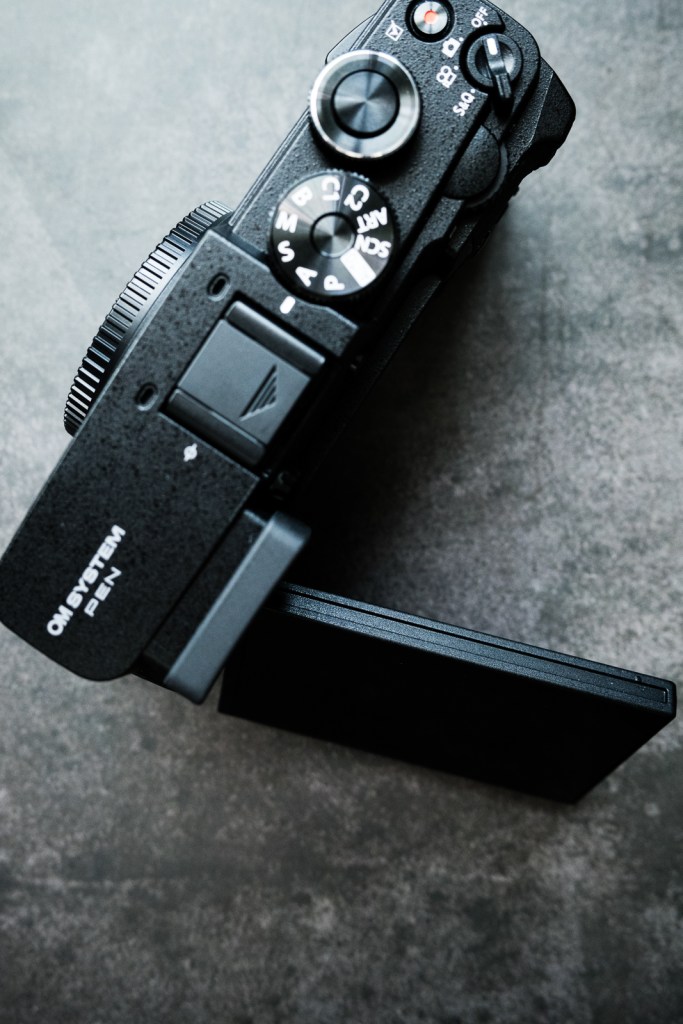
While every other model except the top-tier Pen F lacks an EVF, the OM System PEN gets an 2.36-million-dot OLED EVF alongside the 3-inch vari-angle touchscreen. For me, having both matters. The screen suits waist-level and more casual compositions while the EVF remains invaluable once the light gets harsh or when one simply wants to concentrate on the frame.
And this brings us to what is probably the more interesting part of the camera.
Handling and Output
A spirit any PEN camera should always uphold should be a camera one wants to carry.
It sounds obvious, but I think this is something camera manufacturers occasionally forget while chasing specifications.
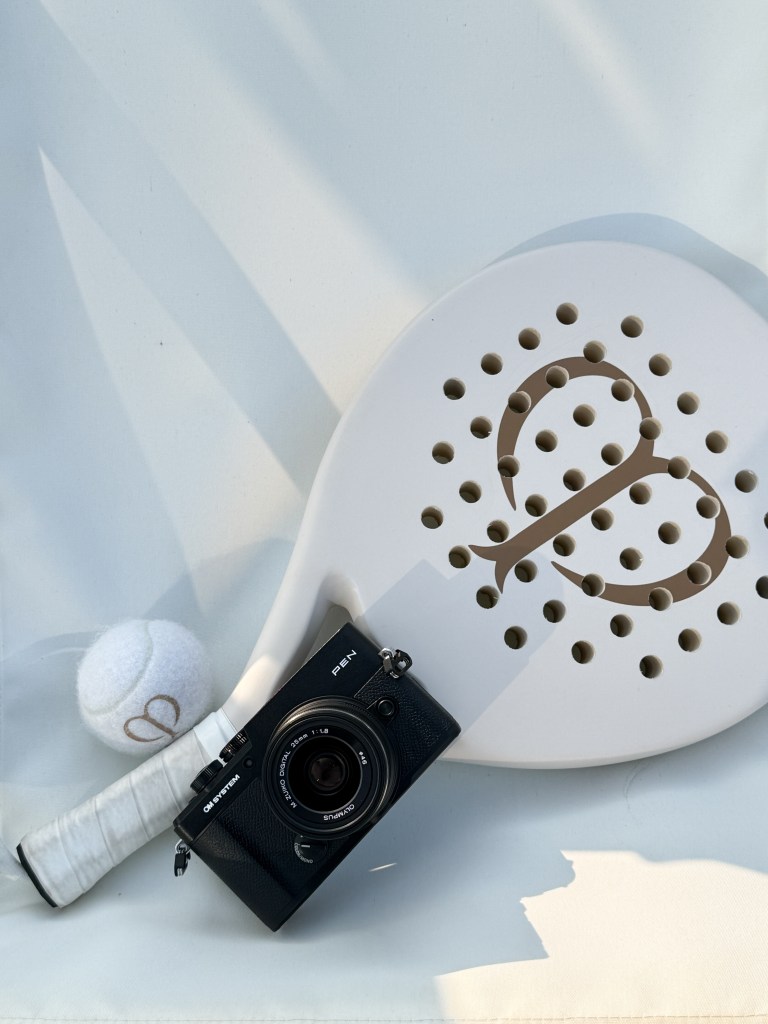
The charm of my original E-P1 was never that it was the fastest or most technically accomplished camera around. Back then, there were many other DSLRs which were faster, tougher but then ahem, quite a monumental effort to bring out. It was that the camera was small enough to accompany me everywhere and interesting enough that I actually wanted to use it.
The OM SYSTEM PEN seems to understand this philosophy.
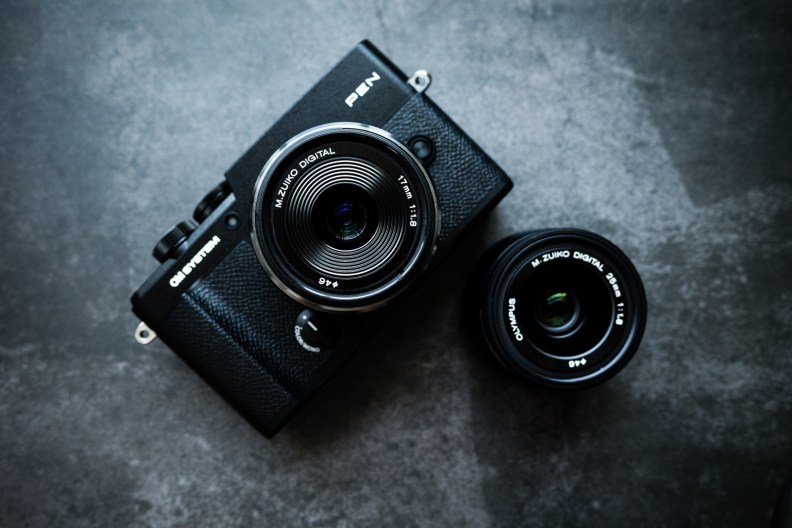
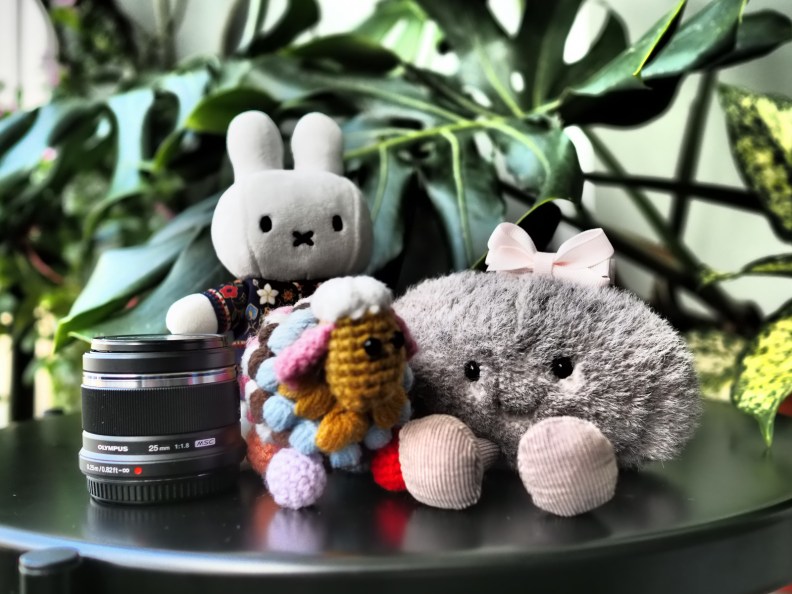
At under 400 grams ready to photograph before mounting a lens, there is a good opportunity here to create a genuinely compact camera system, especially when paired with one of the smaller primes, which in this review l requested for the OM System 17mm ƒ1.8 II and 25mm ƒ1.8 duo.
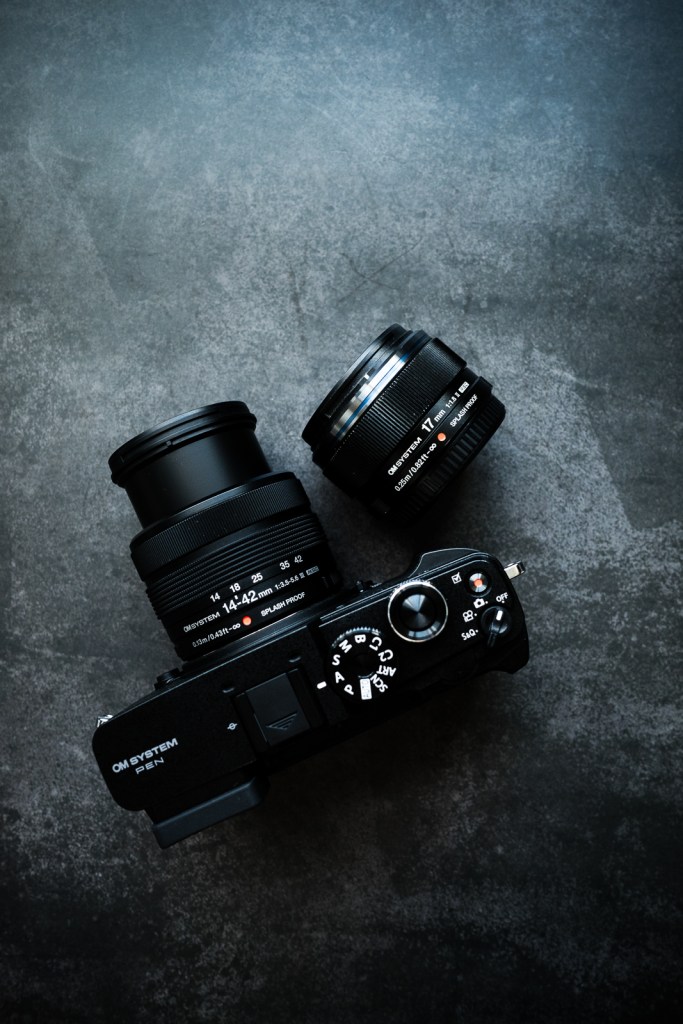
Following the PEN philosophy, I would mostly be using primes with this camera.
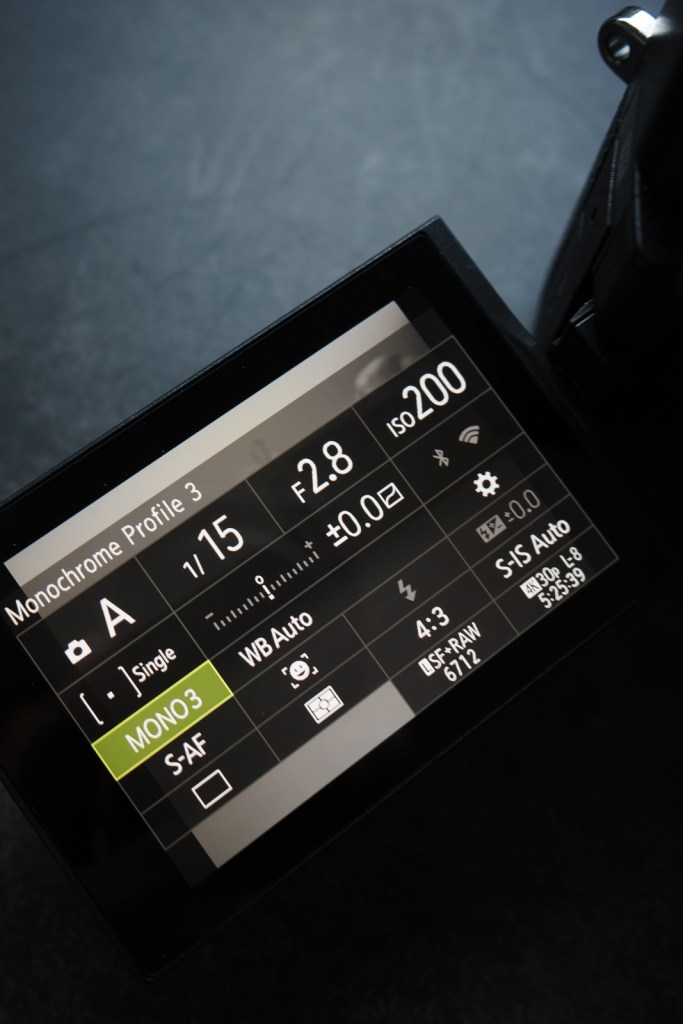
Those familar with the OM cameras should have little issue getting familiar with the OM System PEN camera, placement of physical dials remain largely consistent and yes, for the old-timers and the more advanced users, the familiar Super-Control Panel (SCP) is still available.
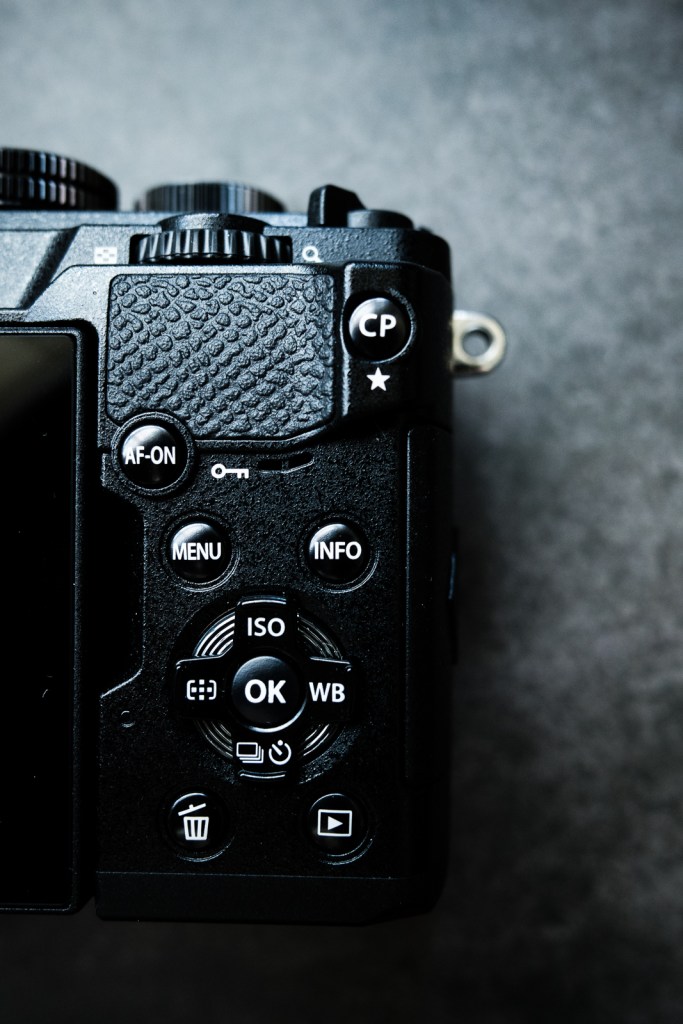
The significance of a small camera is not simply saving a few hundred grams. It is about reducing to the decision of whether to bring the camera out at all.
Color Creator and Monochrome Creator
Possibly the feature which interests me most is OM SYSTEM’s renewed emphasis on creating the photograph inside the camera, following recent movements to have ready for sharing SOOC output.
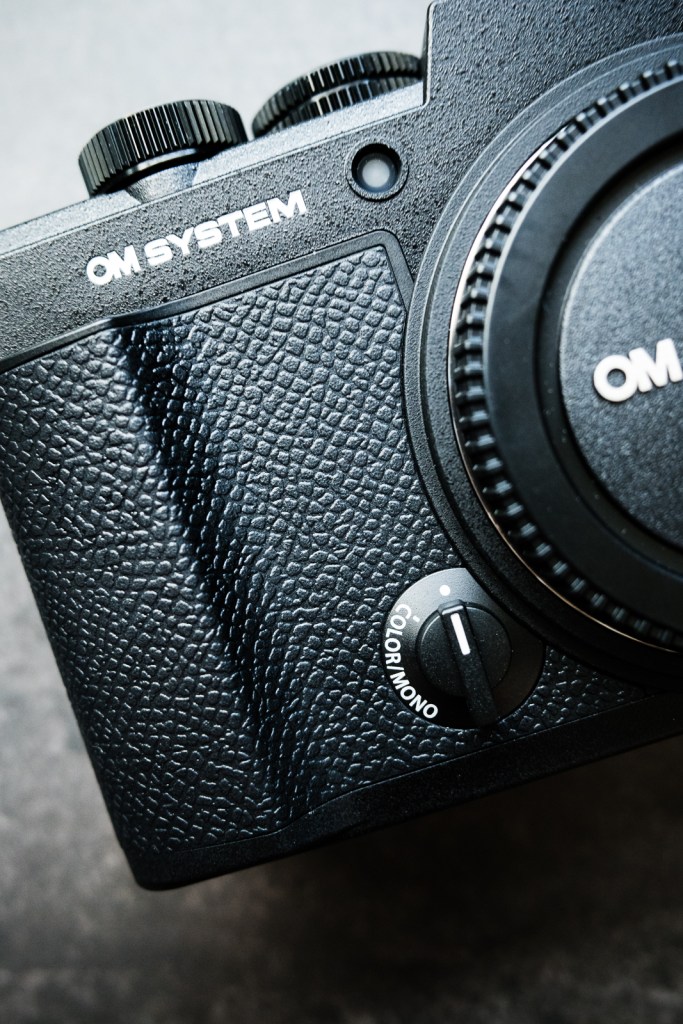
The Color Creator functionality comes with dedicated Color Profile and Monochrome Profile controls, and can be activated with a physical dial on the camera’s front, similar to the implementation on the Pen F. Under Color Profile Control, saturation across 12 individual colours can be adjusted through 11 steps, together with shading control, and settings can be stored across four separate COLOR profiles.
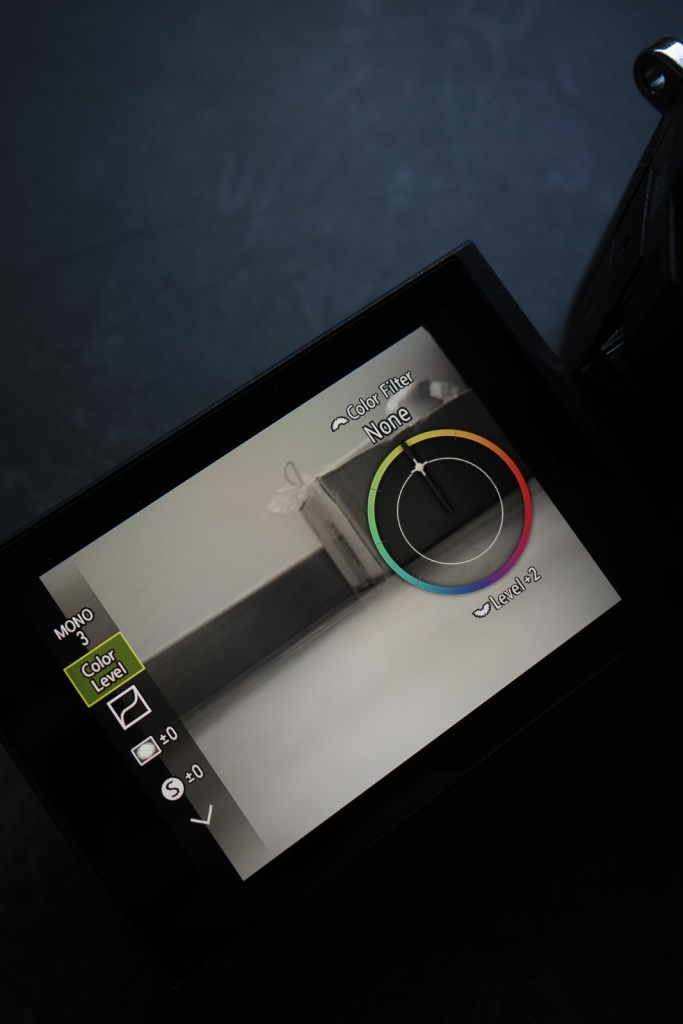
OM System takes the customisation of color profiles to levels most brands strive to catch up with.
The monochrome choices goes even further with the OM System PEN, offering multiple colour-filter choices, three filter strengths, adjustable shading, Off/Low/Medium/High grain simulation and monochrome toning including Normal, Sepia, Blue, Purple and Green. Four MONO profiles can similarly be stored.


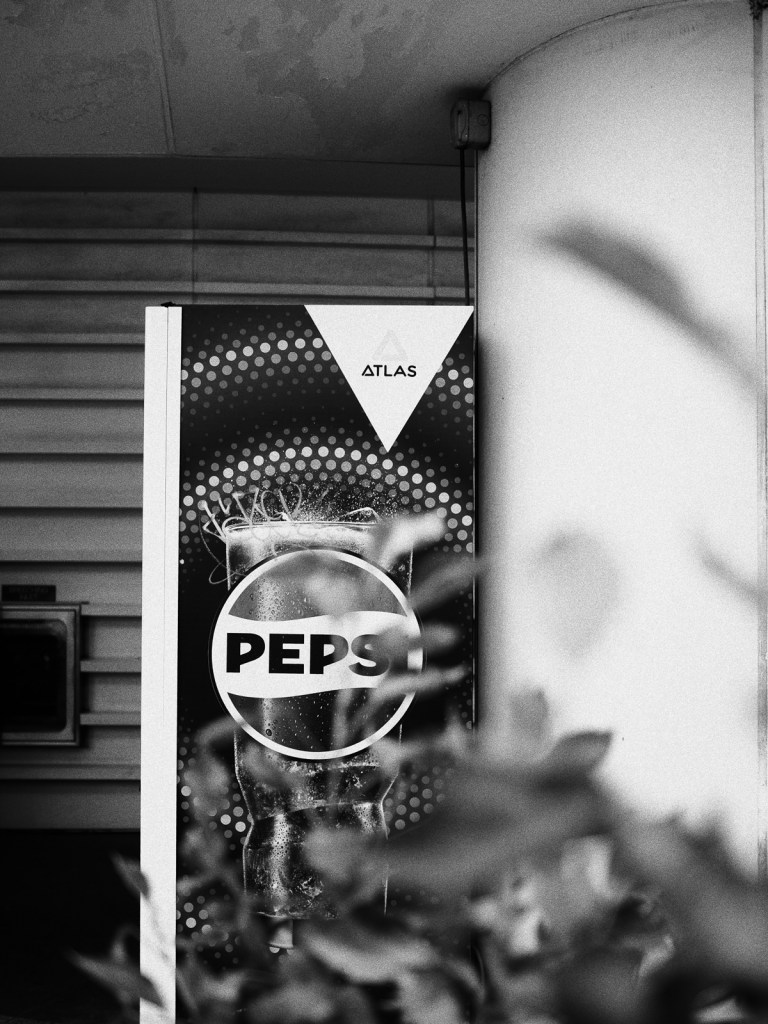
Within the Color Creator options, Film Vivid gives one the more saturated and punchier interpretation street scenes, colour-heavy environments and travel, while Film Soft Tone heads in the opposite direction with a gentler palette.

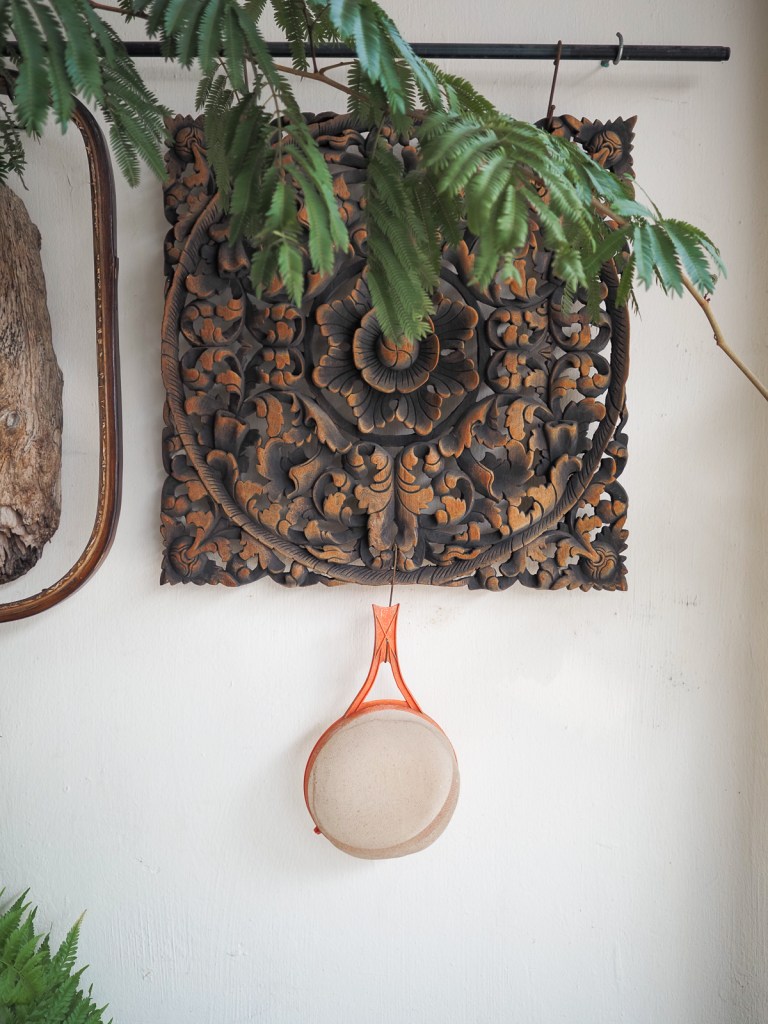
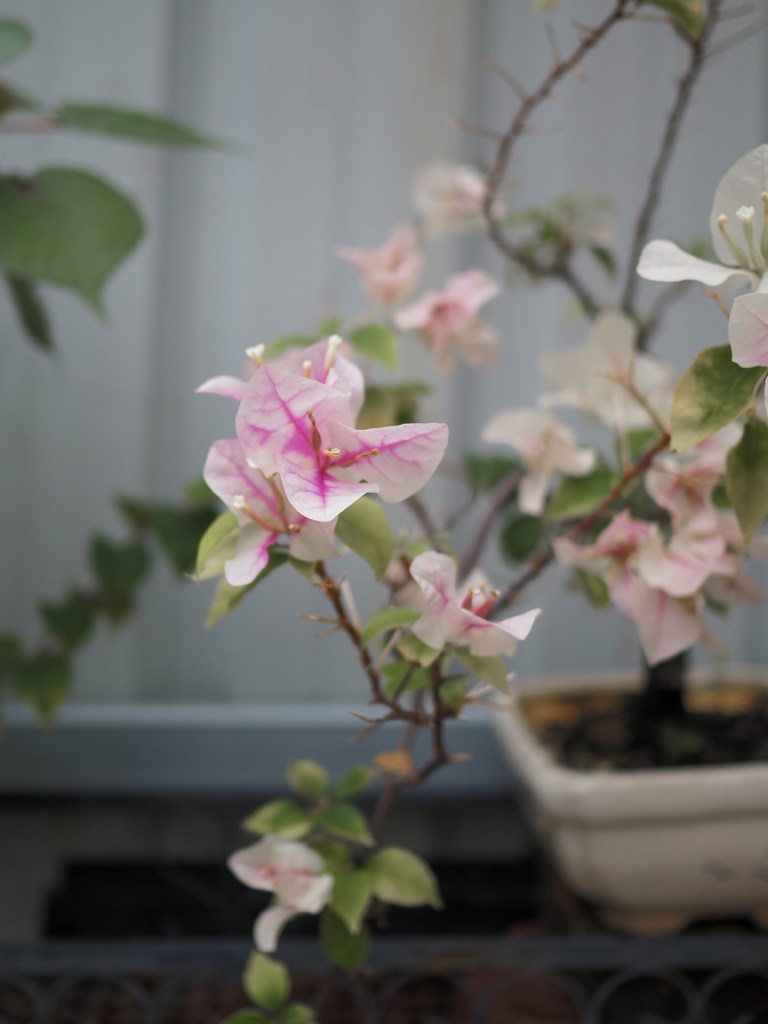
And take note, these does not include the many other original ART filters and SCENE modes one can easily select for use.
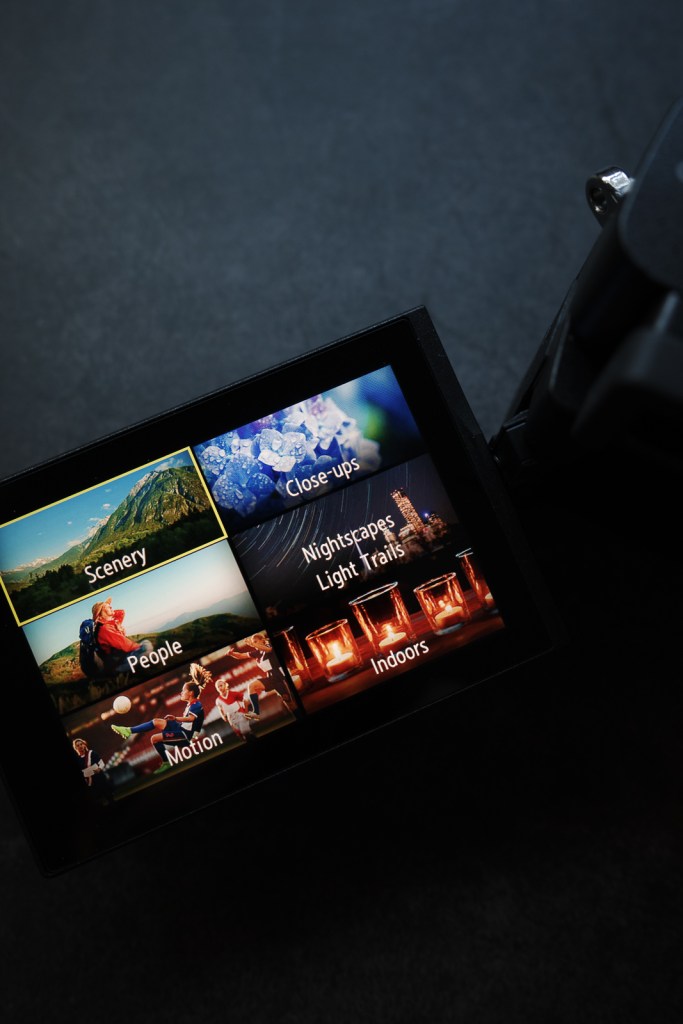
Film B&W is the more straightforward everyday monochrome choice, while Film IR provides the more dramatic tonal interpretation one would naturally associate with infrared-inspired photography. Film Low Contrast is probably the one I personally find more intriguing, especially for quieter documentary photographs where preserving a softer tonal transition can be preferable to simply pushing blacks and contrast.

Of course, photographers have been creating presets in Lightroom or applying them through their mobile devices for years.
And this is where I feel OM SYSTEM may have found an interesting direction for the PEN.
There is something quite different about seeing a look in the viewfinder, responding to it while photographing, and making decisions around that rendering before pressing the shutter.
This changes the process from “I will decide what this photograph looks like later” into “this is how I want to photograph the scene now.”
And personally, I find the latter much more satisfying.
The OM System PEN obviously records RAW, so there is no need to worry about locking oneself into a creative decision. Yet for casual photography, travel, family and especially street photography, I can see myself working predominantly with the JPEGs once I have dialled in a look I like.


Not forgetting what makes OM cameras unique
is that there is also quite a lot going on beyond colour profiles, which is the computational photography features select OM cameras have such as Live ND, HDR, Live Bulb, Live Time, Live Composite, focus bracketing and stacking, interval shooting and Handheld High Res Shot.
The Handheld High Res mode outputs up to a 50MP 8160 × 6120 image, while tripod High Res mode provides RAW files up to 10368 × 7776 sizes.
Again, this is a reminder of how much the PEN concept has evolved.

The original cameras were attractive partly because they removed complexity. The new OM SYSTEM PEN instead seems to take another approach: keep the physical camera compact, but put significantly more capability inside it but ensure that using it is still accessble for the beginner but with the potential for advanced users to apply.
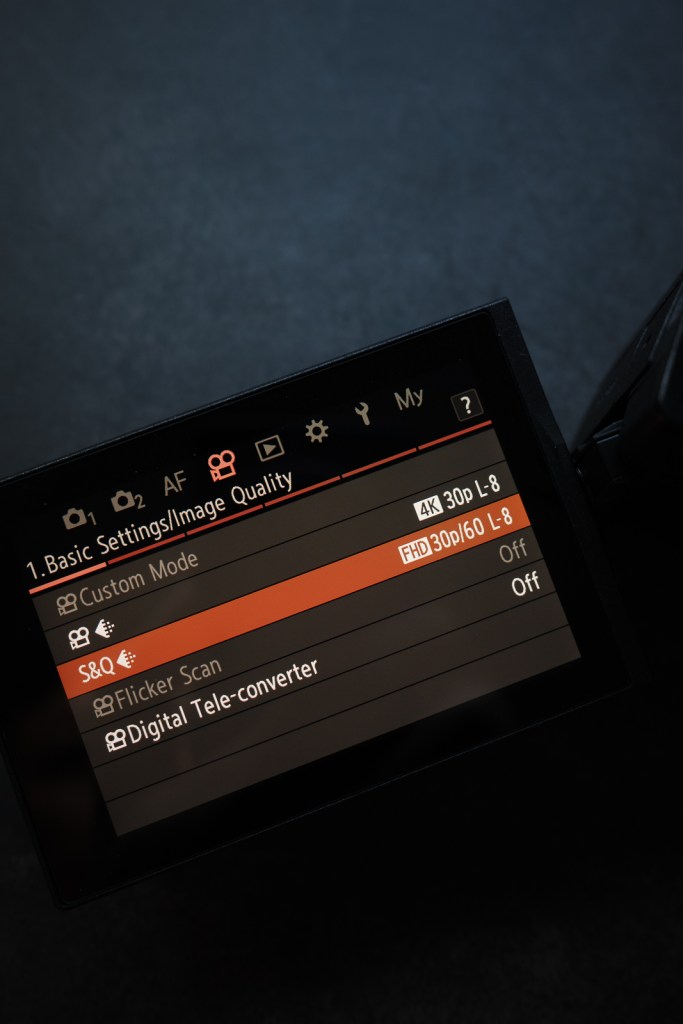
For video, there is C4K 24p, 4K at 30p/25p/24p and Full HD up to 60p, together with vertical video support and slow/quick-motion capture options (available direct on the On/OFF dial as S&Q) though I still see the PEN primarily as a photographer’s camera, but having these functions considerably expands what one can do with such a small body.
Conclusions
I probably approach the OM SYSTEM PEN with more nostalgia than I should. After all, without the Olympus E-P1 in 2009, my own journey into photography might have turned out rather differently.
But who am I trying to kid, nostalgia alone cannot make a good camera. The encouraging part is that OM SYSTEM does not seem to be relying solely on the PEN name here.
The strongest argument for the OM SYSTEM PEN is that it seems designed around enjoying photography rather than simply measuring it.
The Color Creator and Monochrome Creator functions encourage photographers to develop their own visual preferences rather than simply accepting whatever default colour science the manufacturer provides. At the same time, RAW remains available when one wants full control afterwards.


There will obviously be photographers who want larger sensors, more resolution or even more advanced subject detection, and there are plenty of cameras designed for them.
The PEN has always represented something slightly different, since the very first PEN released in 1959, 67 (🫠) years ago as a half-frame film camera.

Ten years ago, the PEN-F showed how beautifully the digital PEN concept could be executed.
And now, with the OM SYSTEM PEN, perhaps the most encouraging thing is simply seeing the idea alive again.
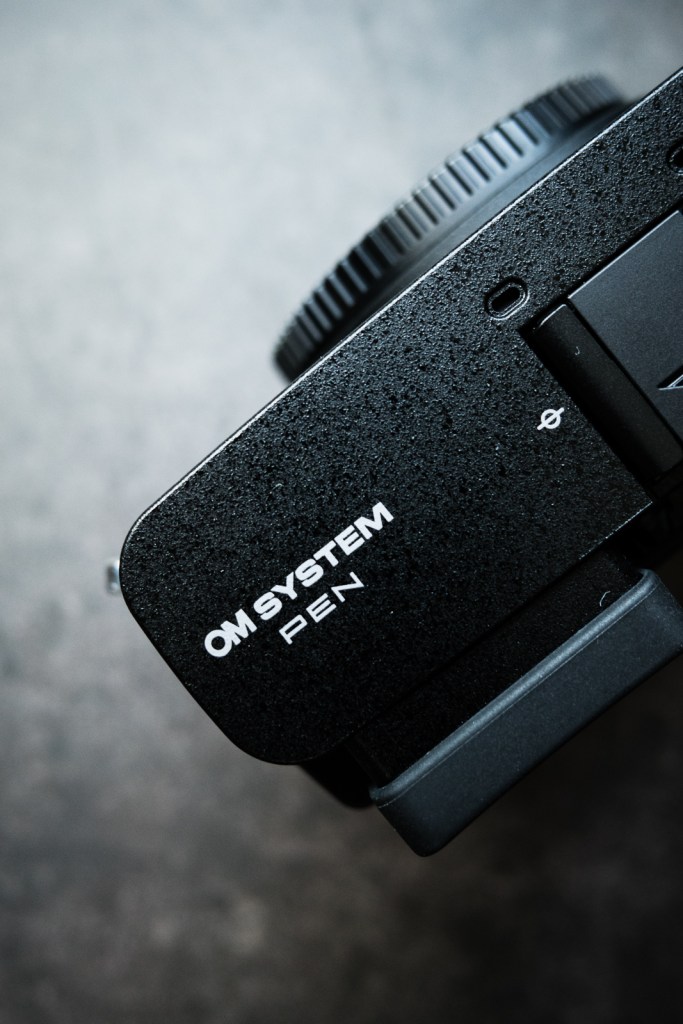
Sometimes progress in photography is not about making the camera bigger, faster or more complicated and all about making us want to bring one along again.
And for me, that has always been what the PEN camera spirit was about.
Thank you for reading.
Disclaimers:
- All product photos and samples here were photographed by me. I believe any reviewer with pride should produce their own product photos.
2. All images were shot with the OM System PEN camera, OM 17mm ƒ1.8 II and 25mm ƒ1.8 lenses.
3. This review is not sponsored and all equipment used were returned to OM System at the end of the loan period.
4. I write as a passion and a hobby, and I appreciate that photography brands are kind enough to respect and work with me.
5. The best way to support me is to share the review, or you can always help support me by contributing to my fees to WordPress for the domain using the Paypal button at the bottom of the page.

 KeithWee | Photography
A great feeling seeing you do a review of the new Pen Keith, it has been so long a wait!
LikeLike