Introduction
There are cameras one buys with the head, and there are cameras one understands almost immediately with the heart.
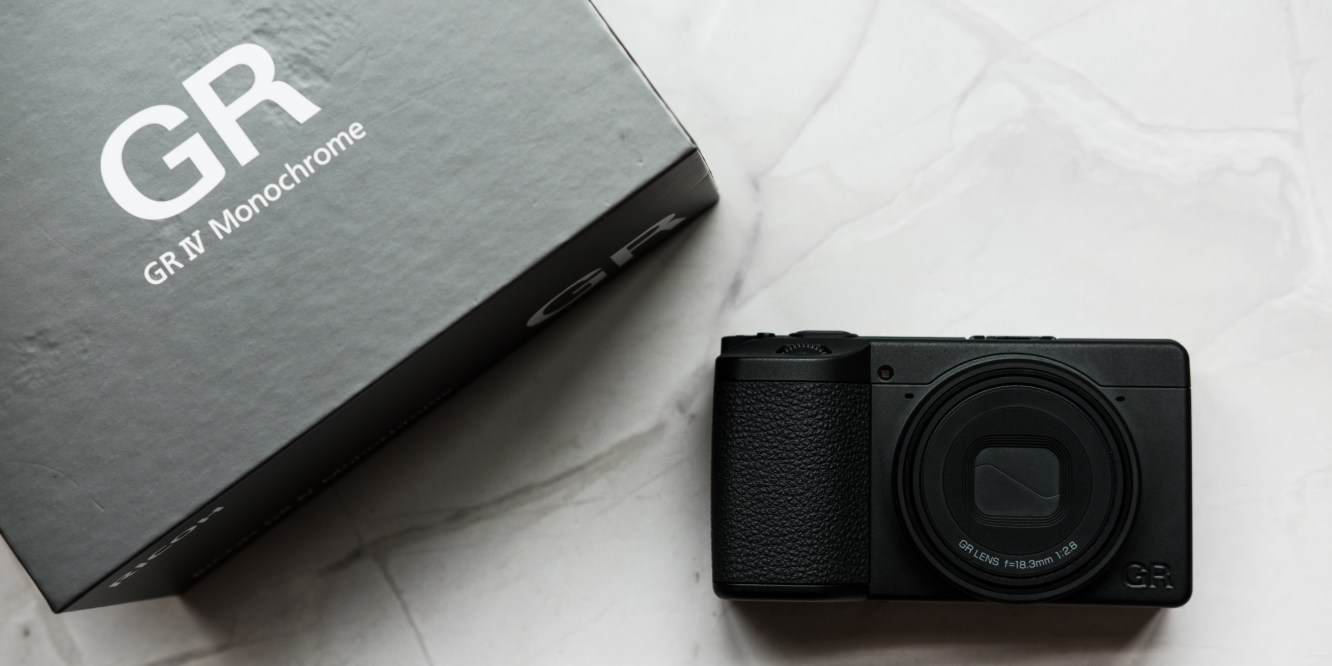
The Ricoh GR IV Monochrome is very much the latter. It is not a camera that bothers to persuade everyone. Instead, it feels like Ricoh looked carefully at what the GR series has always done so well with its design language and asked a rather beautiful question: “what if all of that were dedicated purely to black and white?“
That is what the Ricoh GR IV Monochrome is. A truly pocketable APS-C sensor compact camera with a dedicated monochrome sensor, a fixed 28mm equivalent ƒ2.8 lens, in-body stabilisation, Ricoh’s famously intuitive GR handling, and a shooting experience that is consistent across all the current generation’s variants.
And that distinction matters.
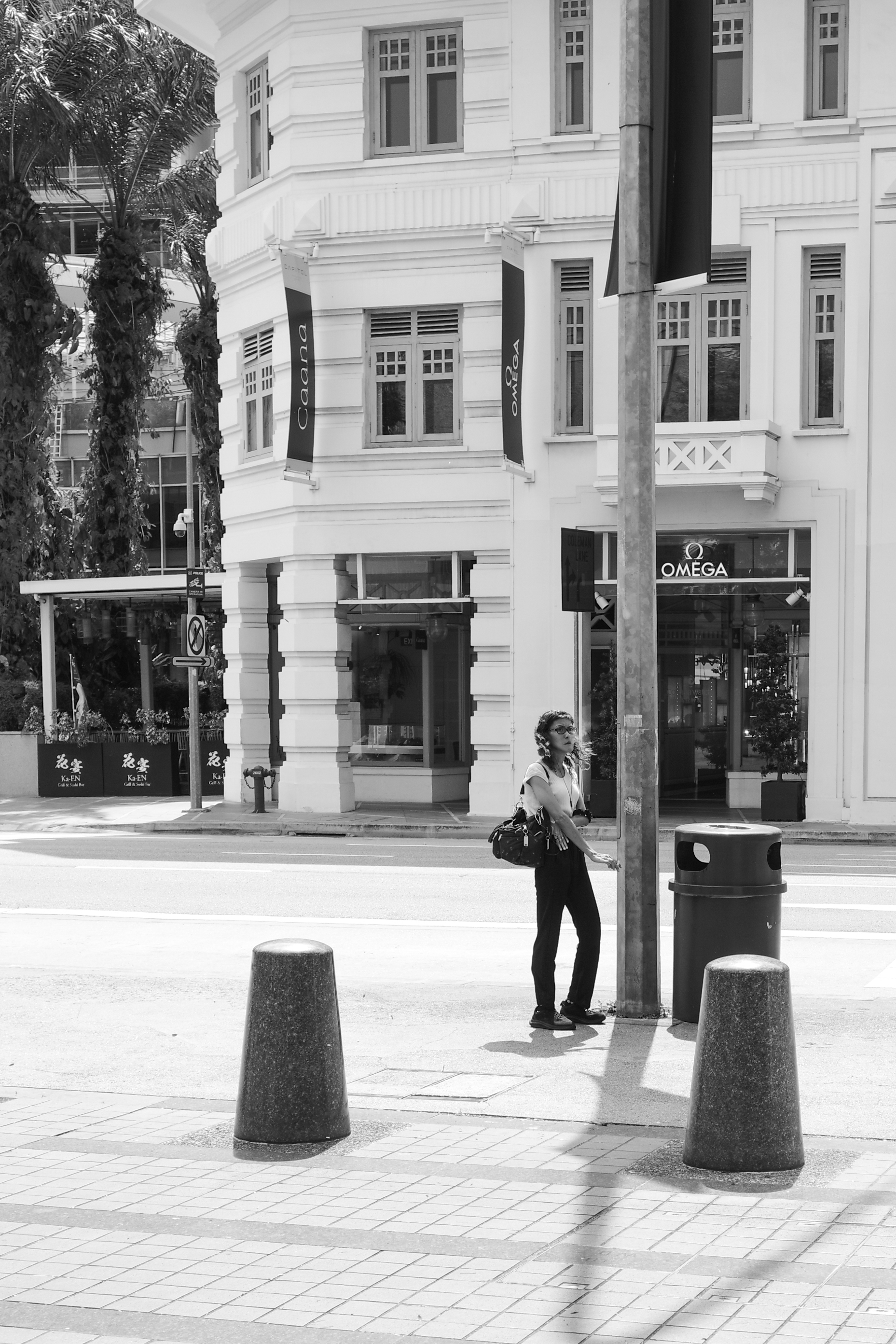
To the one in the cult, black and white photography is not simply colour removed.
(or the fix when white balance is off)
Nor a filter, nor a nostalgic flourish added after the fact. It is a way of seeing. One becomes more attentive to light, to separation, to structure, to shadows that carry weight, and to highlights that do not merely illuminate but define. A dedicated monochrome camera acknowledges that difference. It invites a different discipline from the photographer.
The truth is the Ricoh GR IV Monochrome is quite a niche camera. But some of the most compelling cameras are. The GR line has always had a certain cult appeal precisely because it does not shout. It simply works, and more importantly, it disappears into daily life until the moment a photograph presents itself. With the monochrome version, Ricoh has taken that everyday intimacy and given it a more distilled, or one might say, a singular soul.
Let’s take a deeper look.
This is not a camera about abundance. It is a camera about intent.
tl:dr
The Ricoh GR IV Monochrome is one of the most interesting compact cameras, not because it tries to do more, but because it chooses to do less with greater conviction.
It takes everything that makes the GR IV platform appealing: the genuinely pocketable body, excellent fixed 28mm equivalent lens, fast and highly customisable operation, Snap Focus workflow, and understated everyday usability and pairs it with a dedicated monochrome APS-C sensor that offers cleaner tonal transitions, finer-looking noise, and a more convincing black-and-white rendering than a conventional colour camera set to monochrome mode.
The result is a camera that feels purpose-built for photographers who value black and white as a final destination rather than an occasional stylistic choice.
The built-in red filter is not merely a novelty either. For those who enjoy shaping skies, increasing tonal separation, or leaning into a more classic monochrome visual language, it adds a genuinely useful layer to the shooting experience.
This is, however, not a camera for everyone. It is expensive for what is still a compact camera. It offers no colour capture at all. Battery life is just decent. The fixed 28mm equivalent lens remains a committed perspective. There is no weather sealing, and if you need versatility above all else, the standard GR IV is probably the more sensible choice.
But then again, the GR IV Monochrome is not really about being sensible, but the clarity of choice.
For the photographer who already knows that monochrome is not a compromise but a preference, this camera makes a startling amount of sense.
Technicalities
The Ricoh GR IV Monochrome is built around a dedicated 25.7 megapixels APS-C monochrome CMOS sensor. Unlike a standard colour sensor, this one omits the colour filter array, allowing the camera to record luminance information directly without the same level of interpolation required in conventional colour capture.
Together with the monochrome dedicated sensor, Ricoh also developed a new image-processing engine (GR Engine 7) for the GR IV monochrome.
In practical terms, these translates into the promise of improved tonal definition, stronger per-pixel detail, and a black-and-white image structure that feels more natural and detailed.
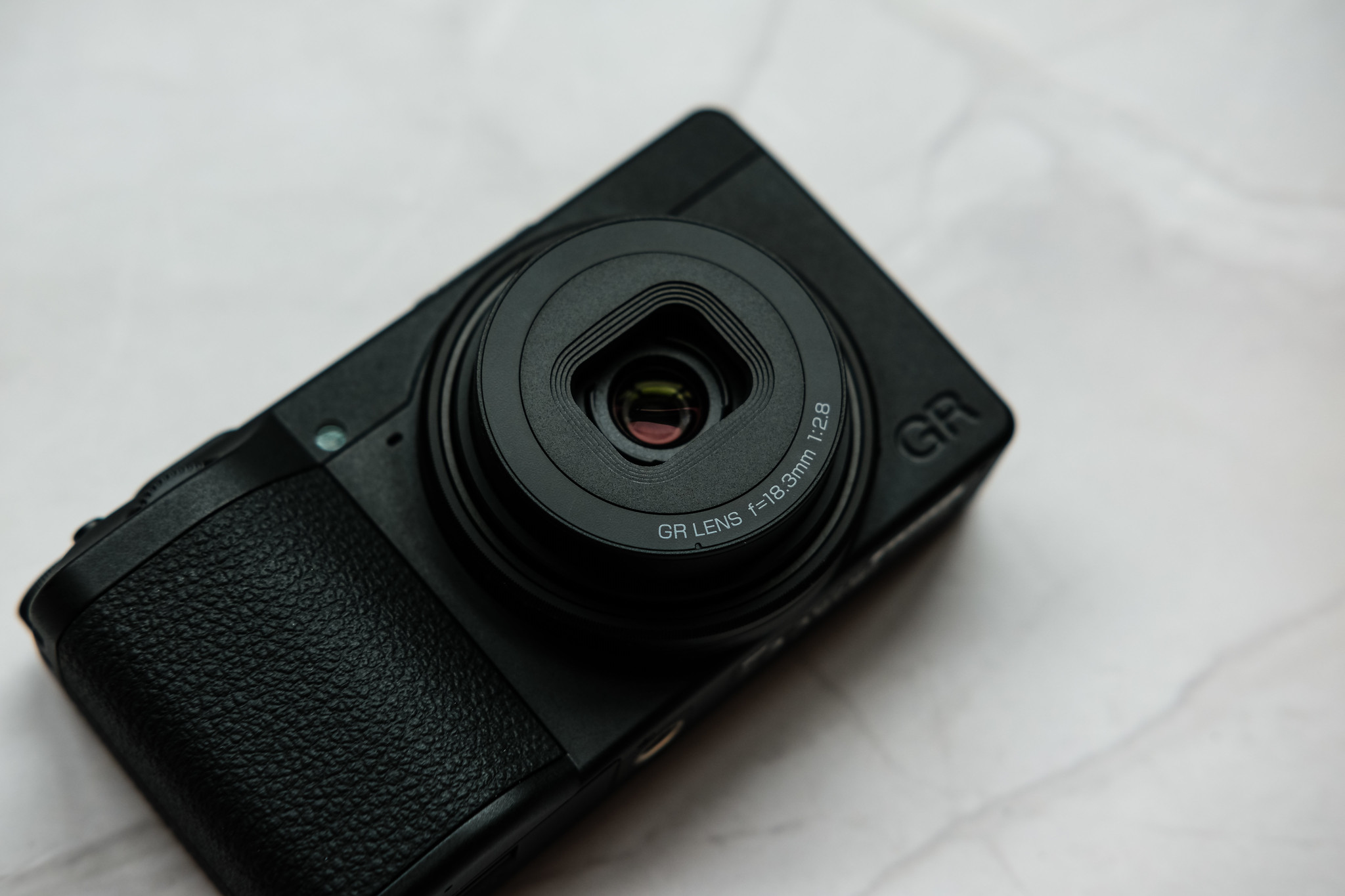
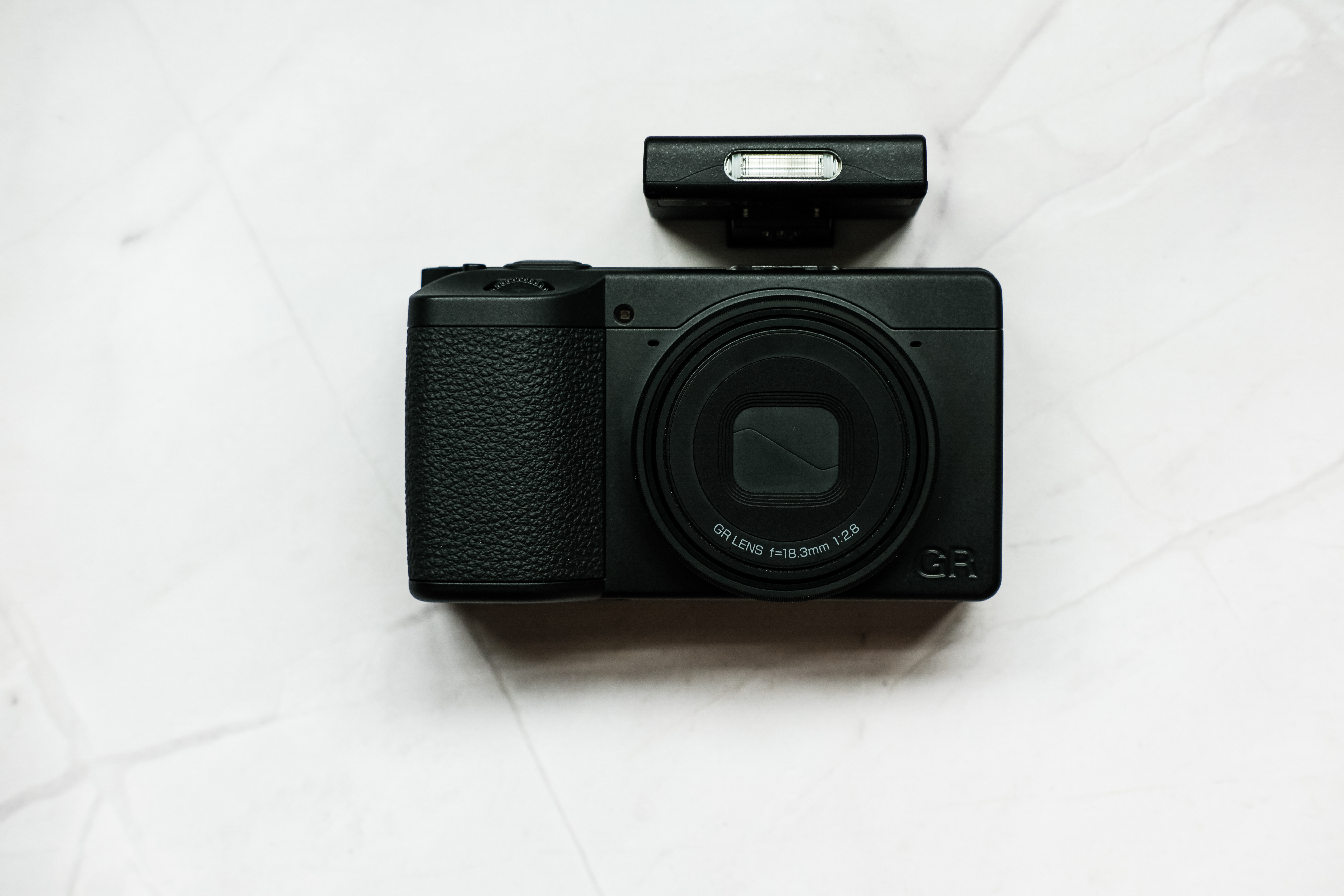
Paired with the sensor is Ricoh’s 18.3mm ƒ2.8 lens, which gives an angle of view equivalent to 28mm on full frame. This has long been one of the GR system’s defining strengths. It is a perspective that feels open and immersive without becoming exaggerated, and one that has proven deeply suited to everyday observation, street work, architecture, travel, and visual note-taking of all kinds.
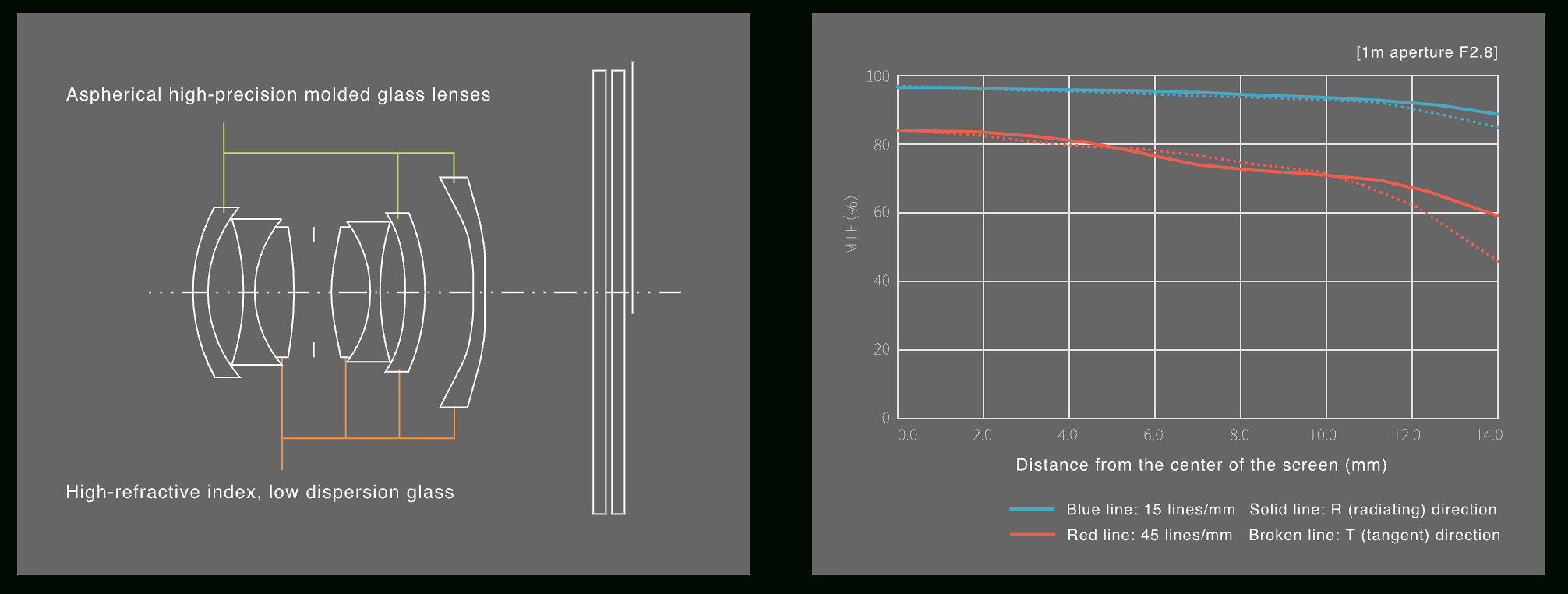
The camera offers a wide ISO range extending from ISO 160 to ISO 409600, along with 5-axis sensor-shift stabilisation. RAW files can be captured in 14-bit DNG, alongside JPEG output, and Ricoh continues to support a generous degree of in-camera tonal and image-control customisation for photographers who prefer to shape their monochrome output more deliberately.
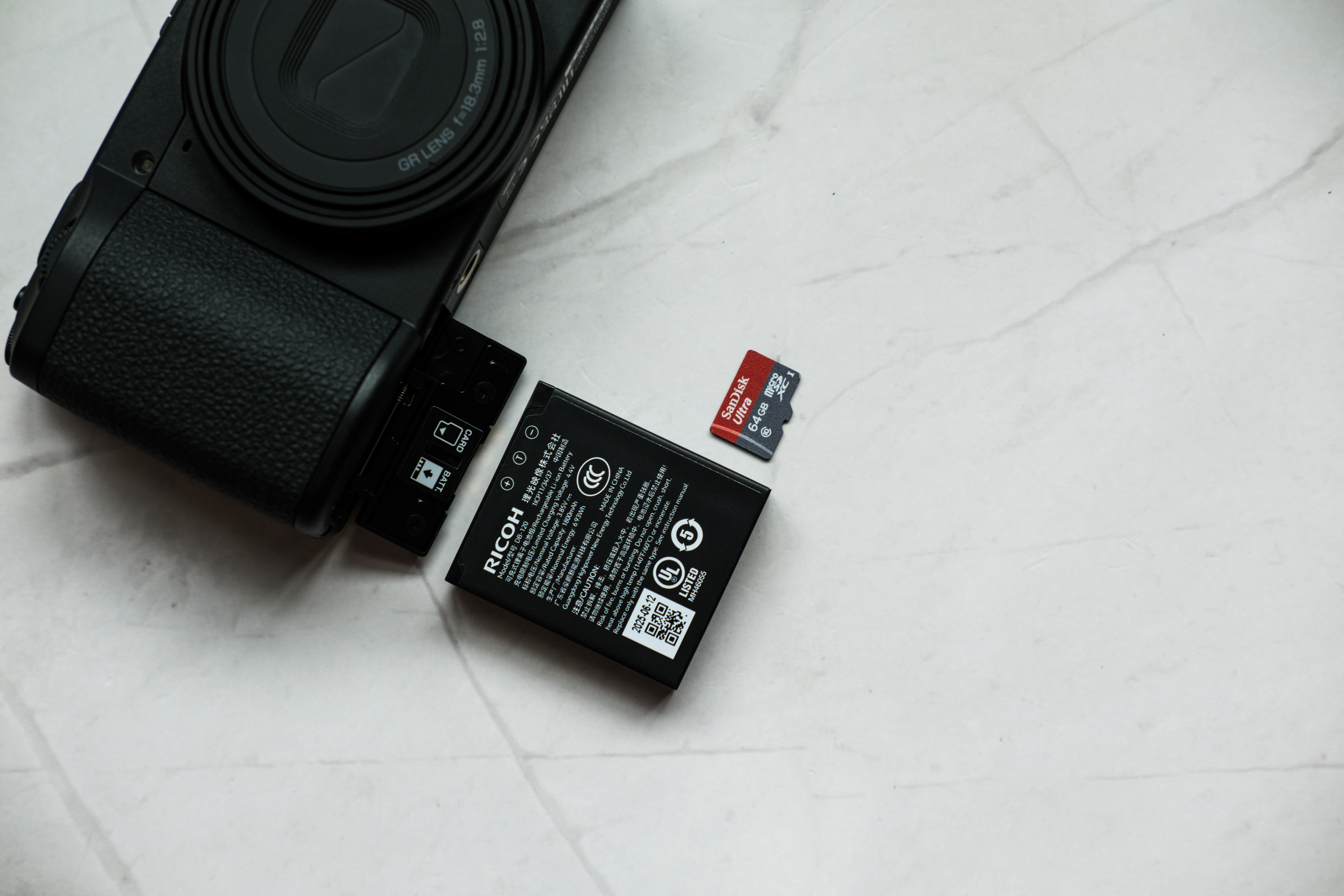
Storage is particularly thoughtful. Like the Ricoh GR IV sibling, this camera includes 53GB of internal memory in addition to a microSD card slot, which I guess can be part of the justification in the significant price increases moving from the GR III to GR IV series.
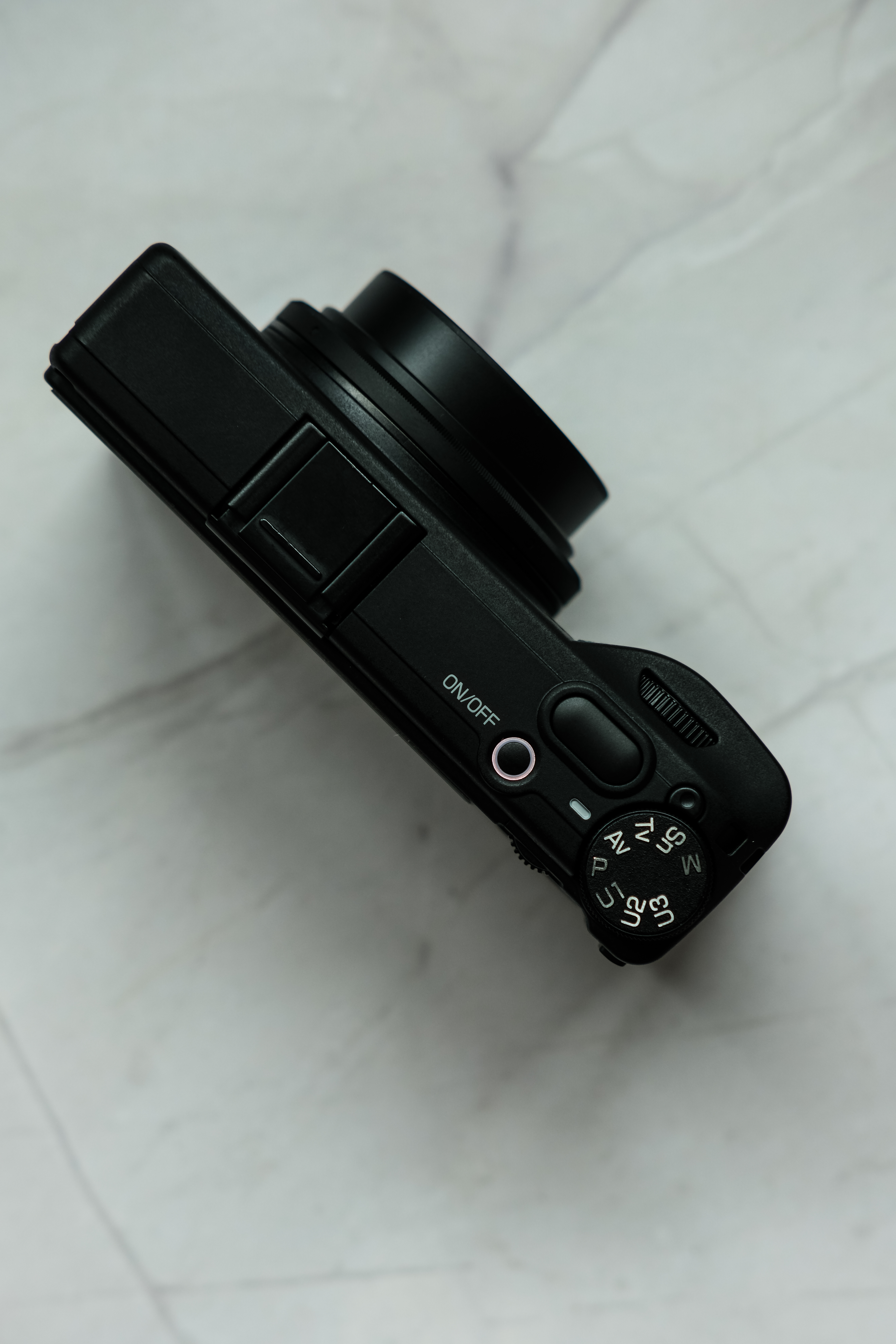
The LCD remains a 3-inch touchscreen, and the body is, true to GR tradition, strikingly compact. At around 262g with battery and card, the camera is compact enough at 109.4 x 61.1 x 32.7 mm to disappear into a jacket pocket.
As expected, specifications largely remain close to the Ricoh GR IV, which my review is here.
One defining strength of the GR is that it is truly pocketable.
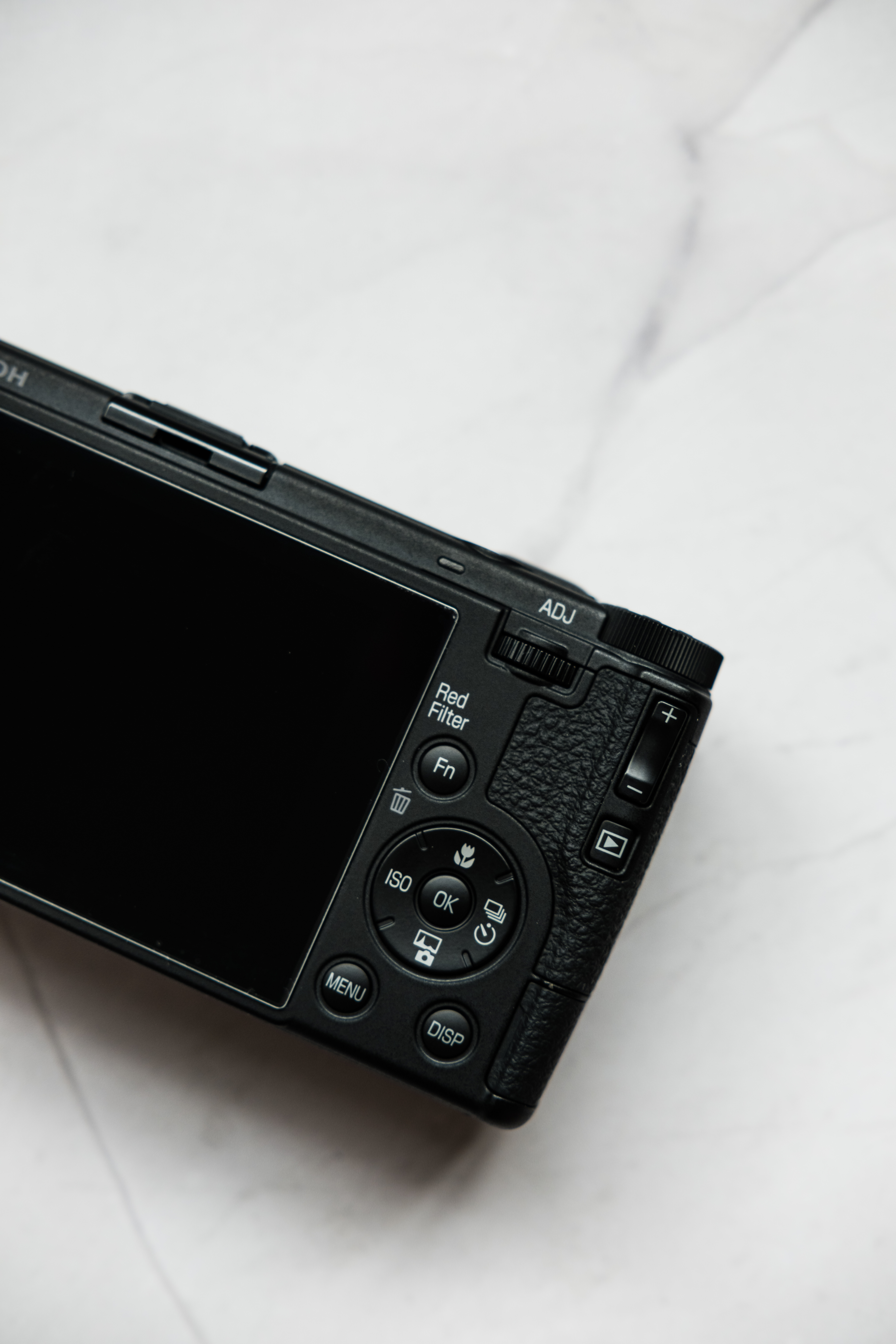
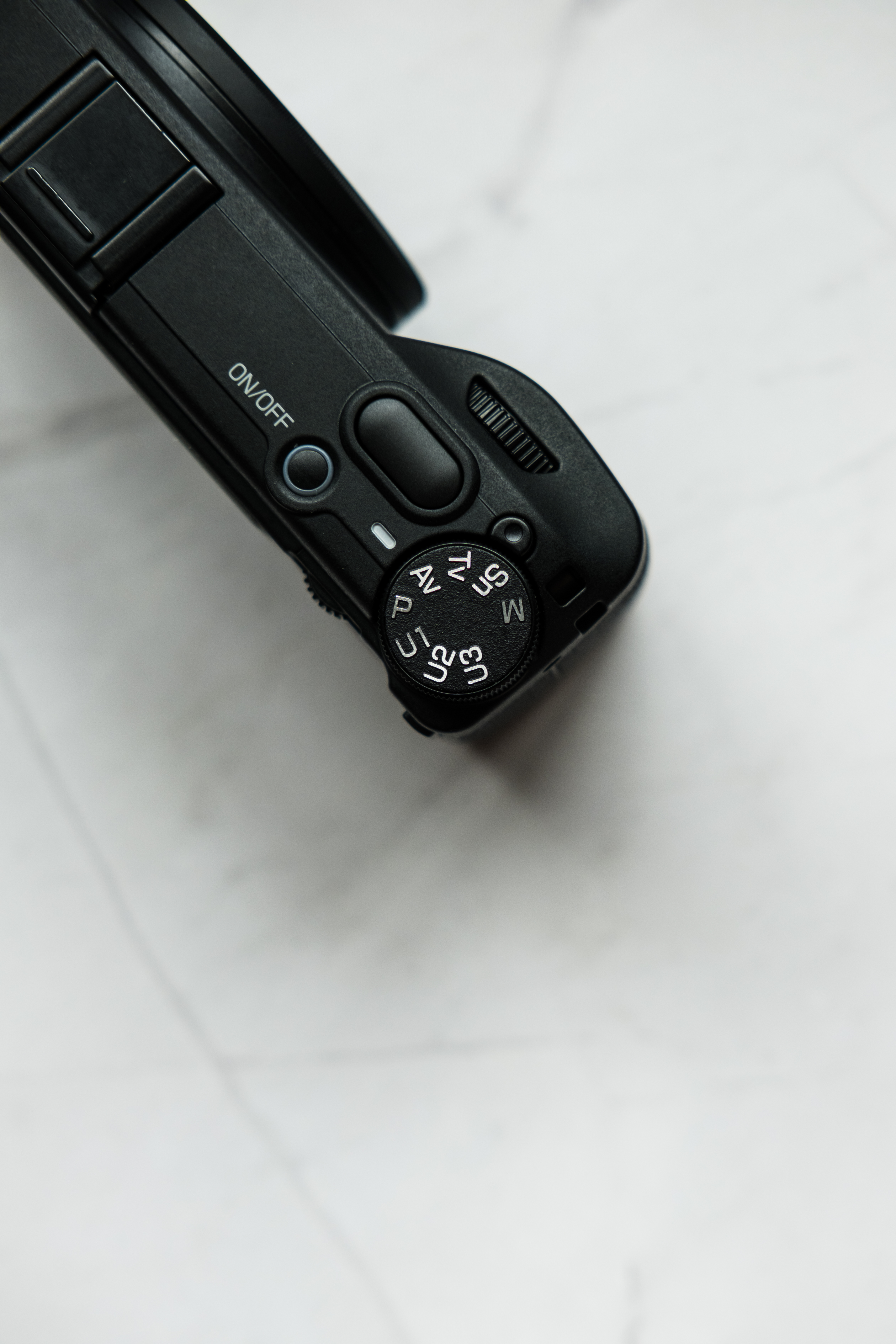
Perhaps the most telling specification, though, is not the megapixel count or the stabilisation system, but the inclusion of a built-in red filter. It is not there as a marketing tactic but as a show of the expectations Ricoh has of the GR IV monochrome user.
Handling & Performance
The Ricoh GR IV Monochrome’s greatest strength may well be that it never feels like an event to carry.
That has always been central to the GR appeal. The camera is small enough to be present without being intrusive, fast enough to respond when needed, and quiet enough to let the photographer remain part of the world rather than standing apart from it. There is a kind of freedom in that is not often found in many other alternatives that market themselves as being compact.
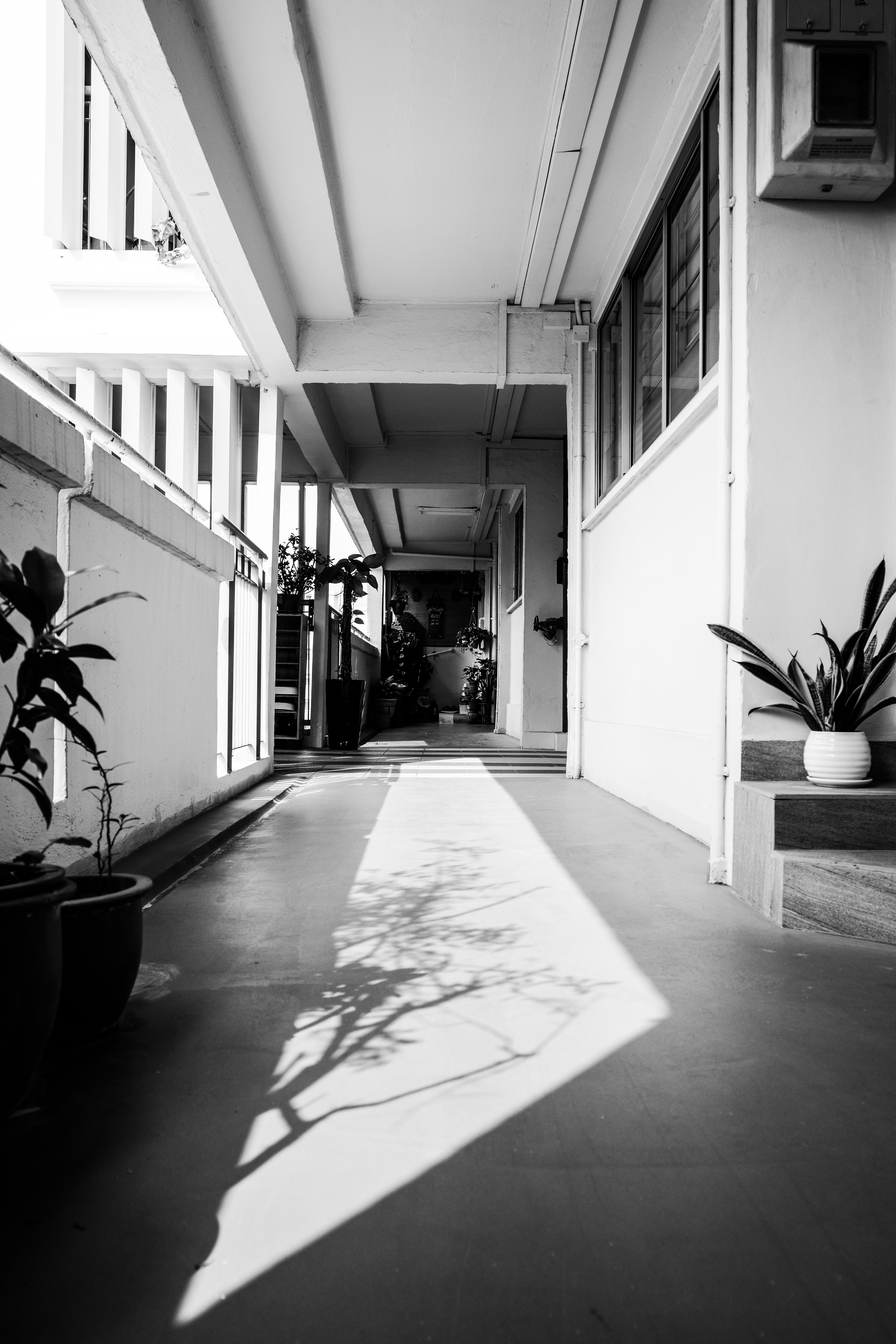
For the one capturing candid moments, photographs often happen in the spaces between plans.
The GR IV Monochrome retains the control philosophy that long-time GR users will already know well: direct access, customisable operation, and a shooting experience that feels built around instinct. The camera can be configured quickly and personally, and it rewards familiarity in a way that makes it increasingly fluid over time.
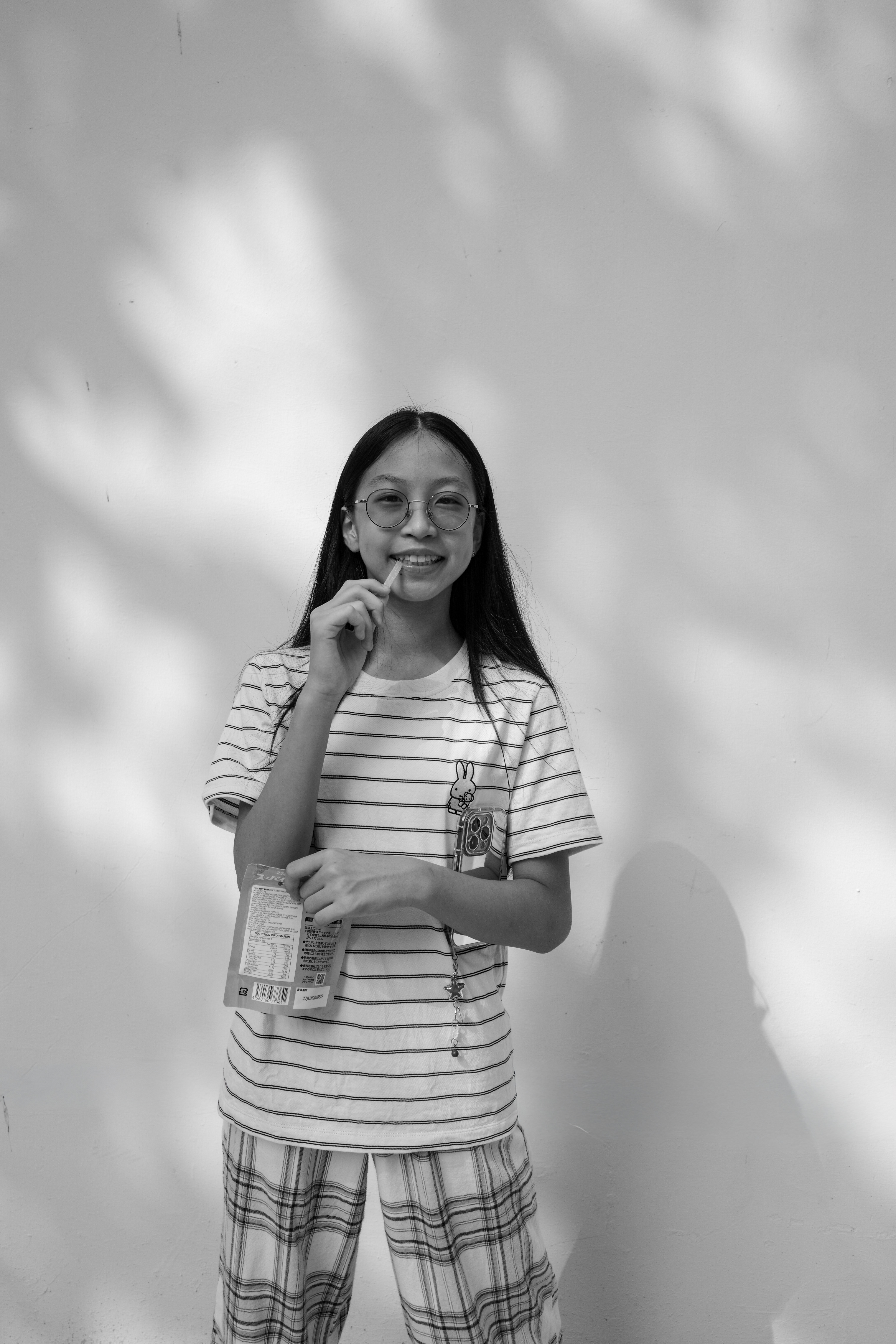
Snap Focus remains, as ever, one of the great quiet pleasures of the GR system. For street photography especially, it transforms the camera from a reactive tool into something far more immediate.
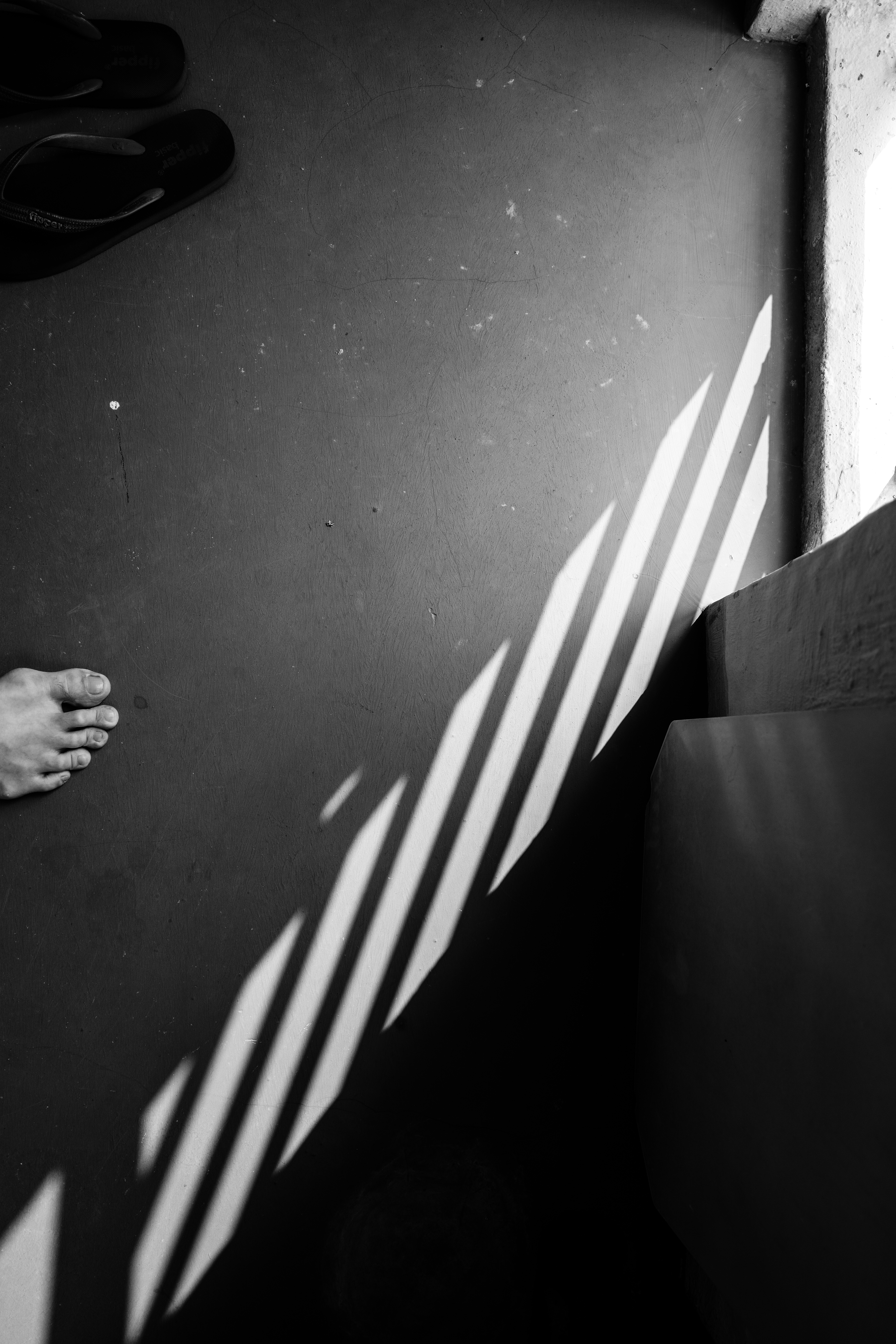
There are also 6 exclusive to the GR IV Monochrome filters Ricoh refers to as ‘Image Control’ options
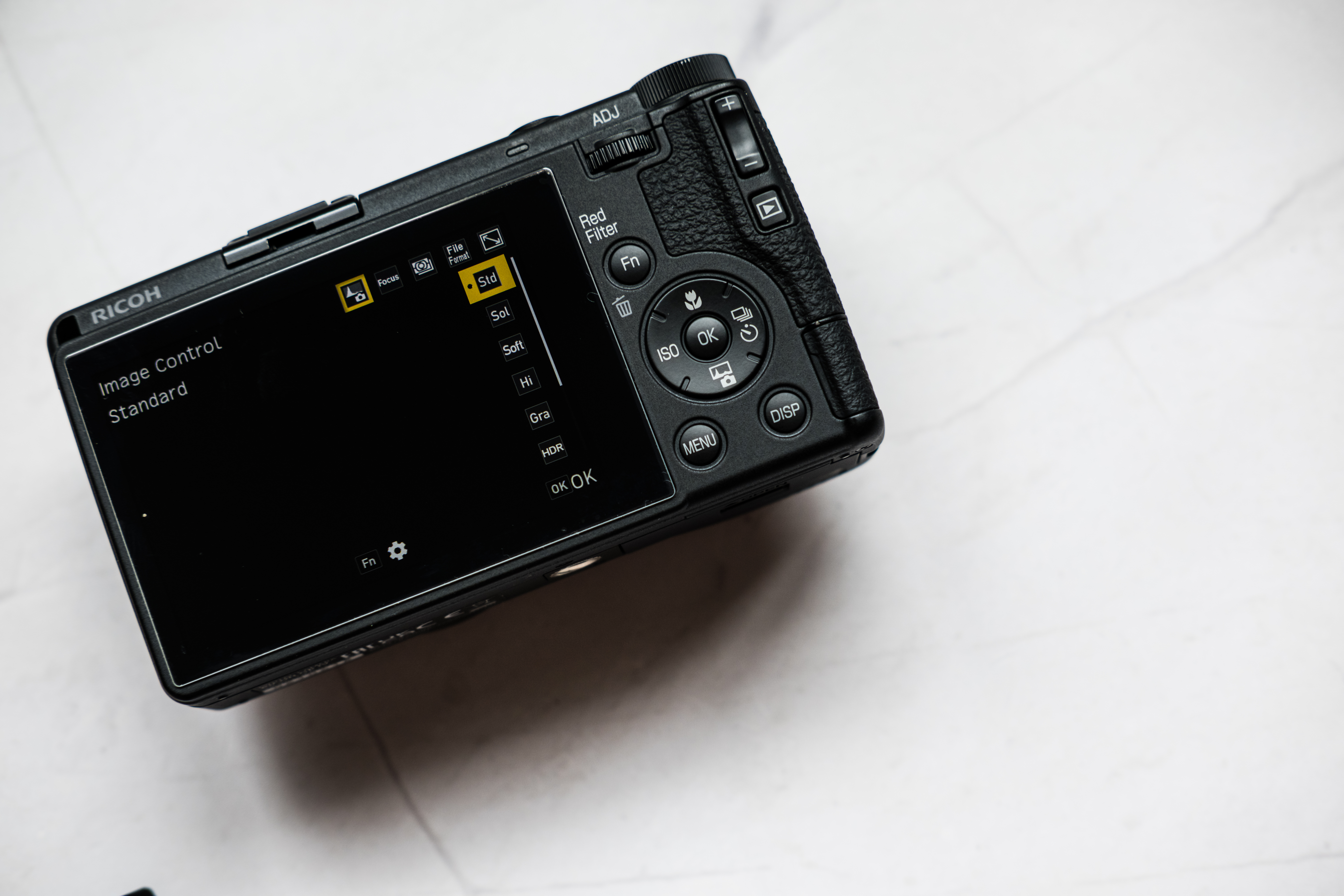
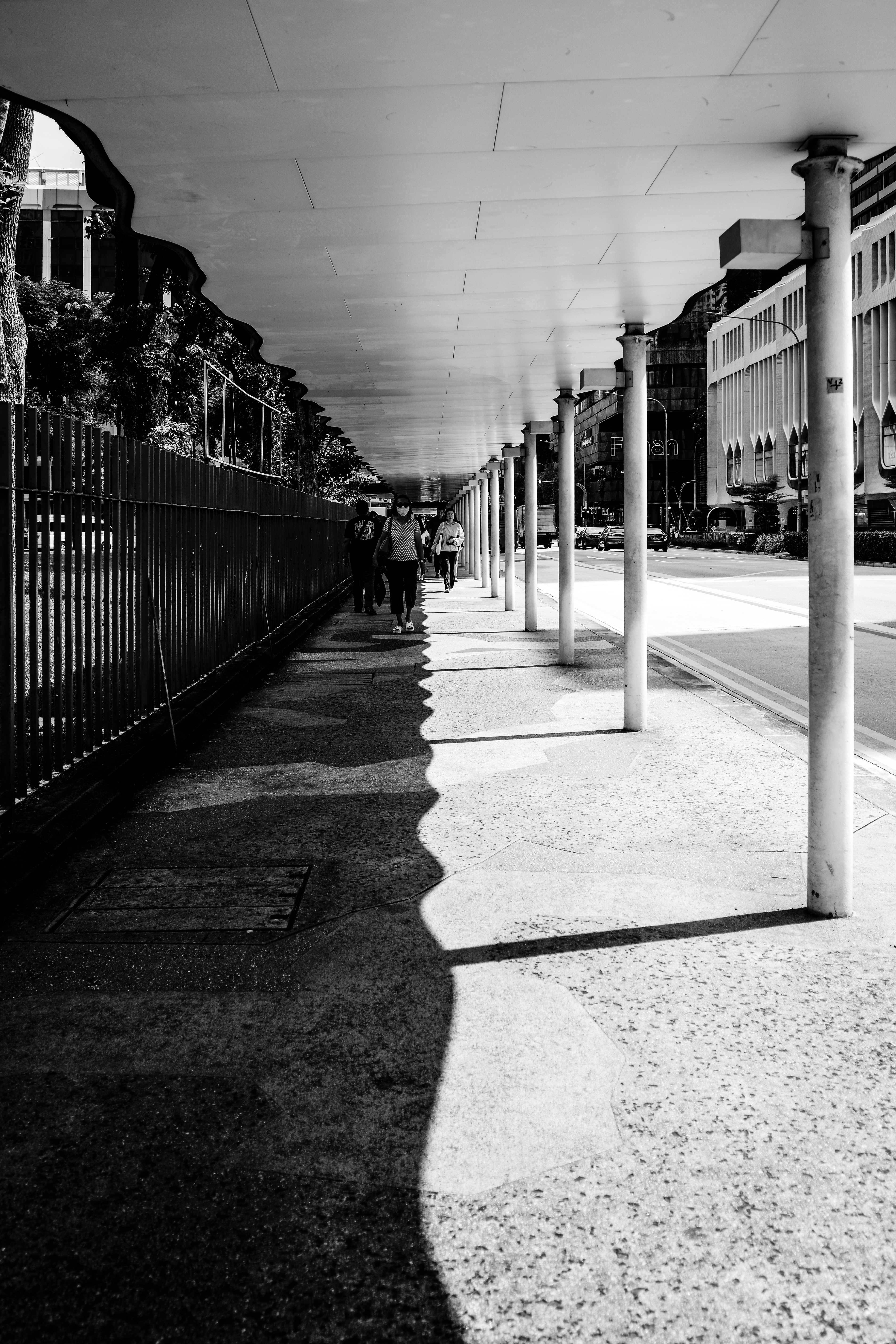
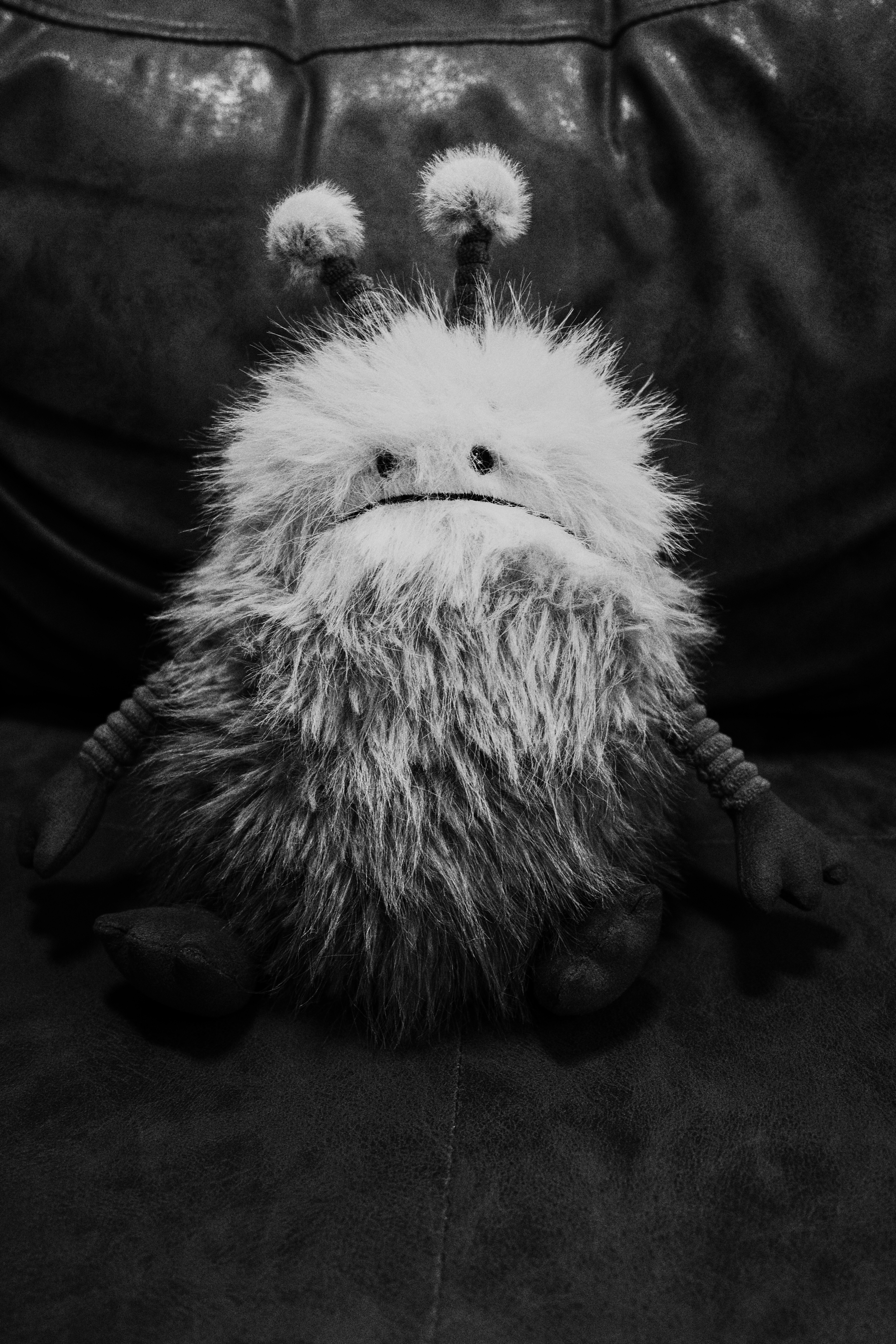
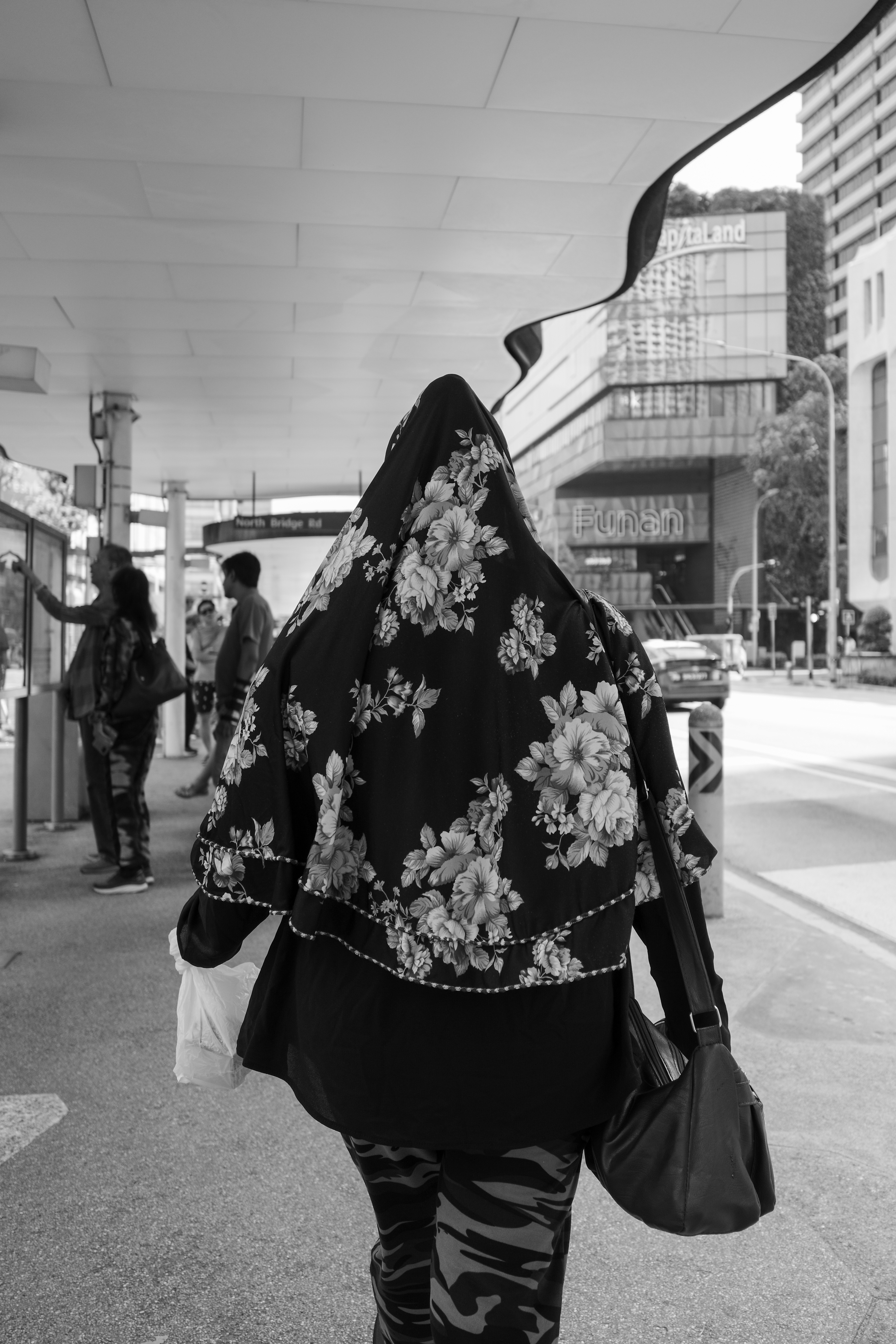
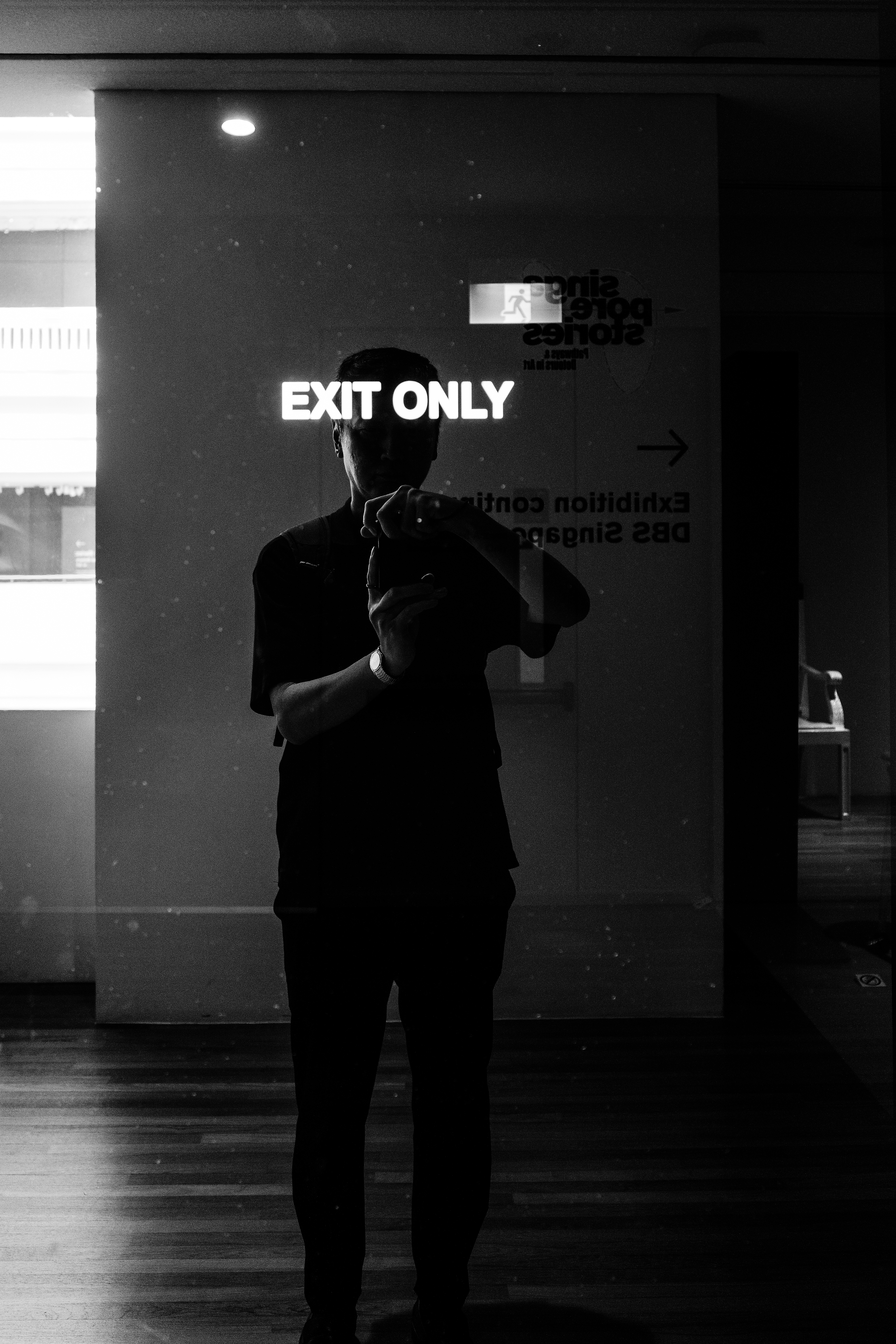
The 6 samples below give an idea of how these image control options output. Images have not been edited and SOOC.
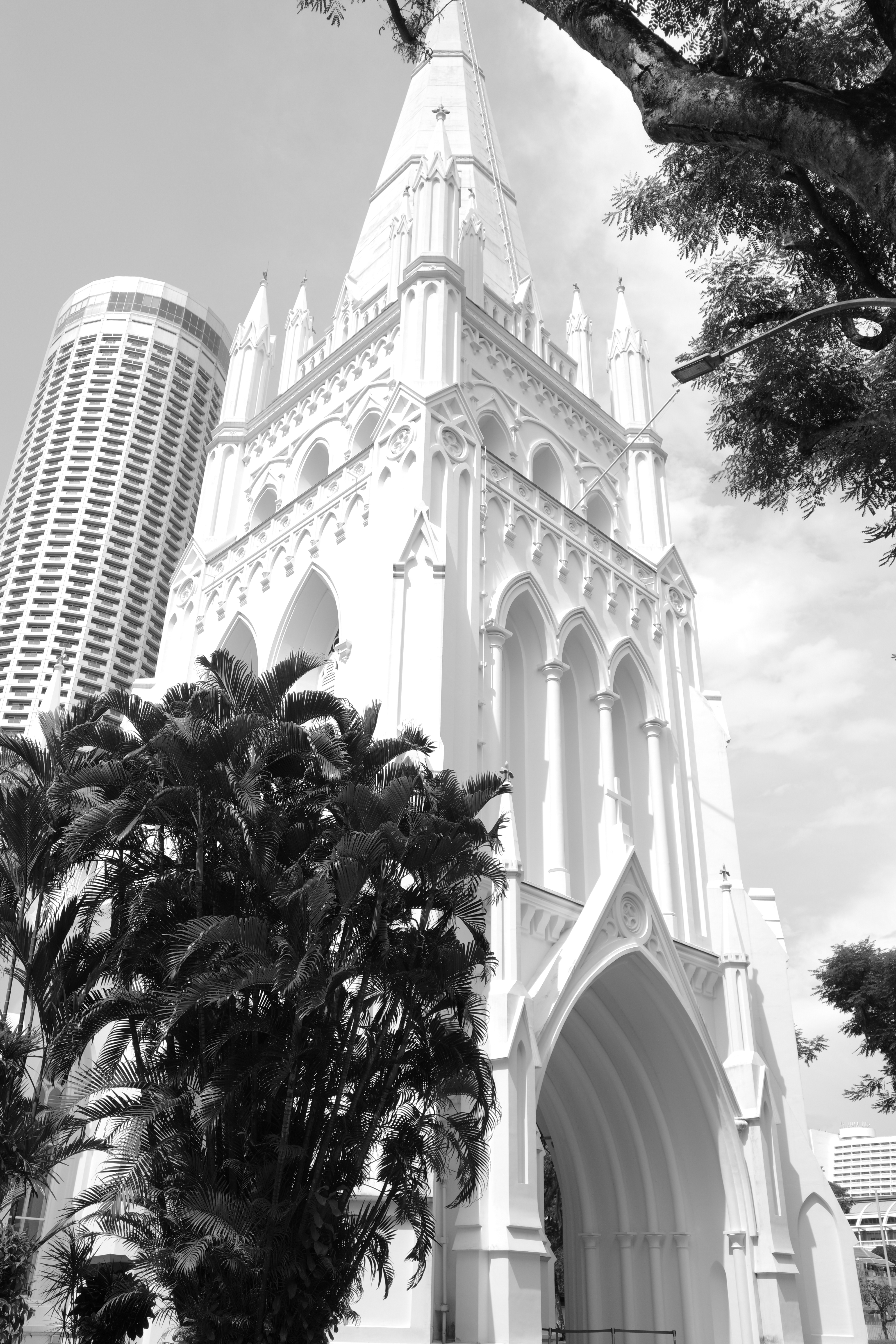
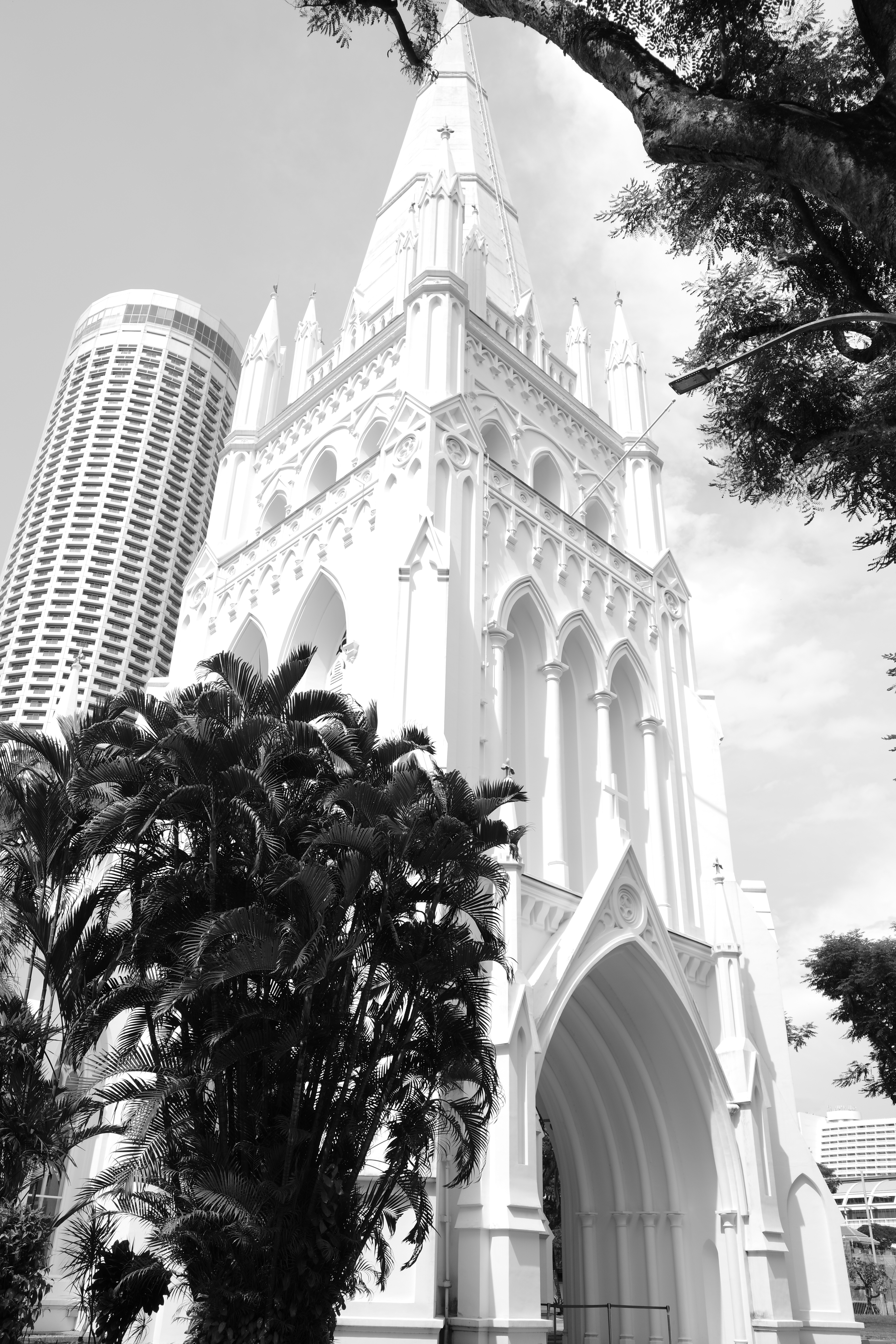
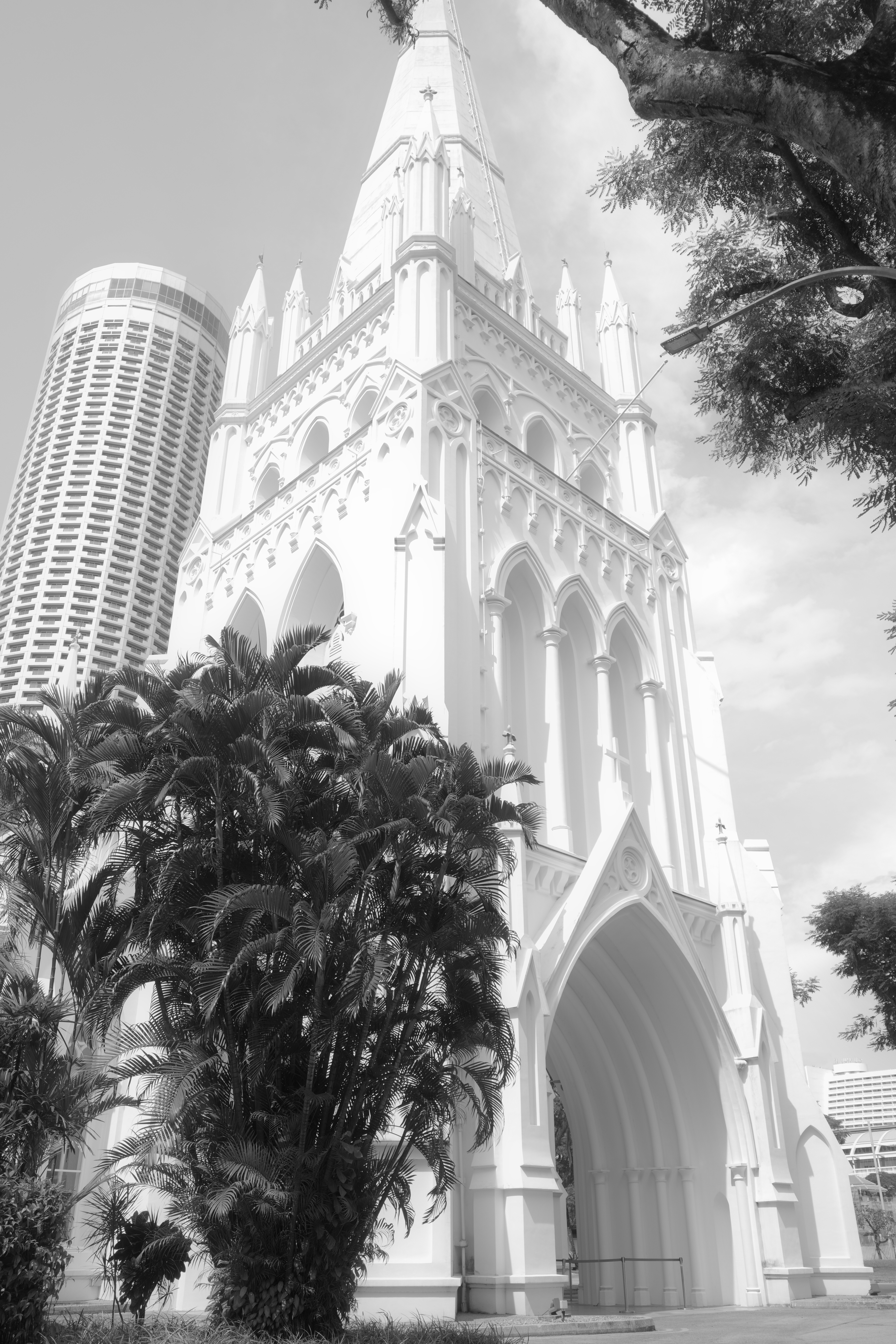
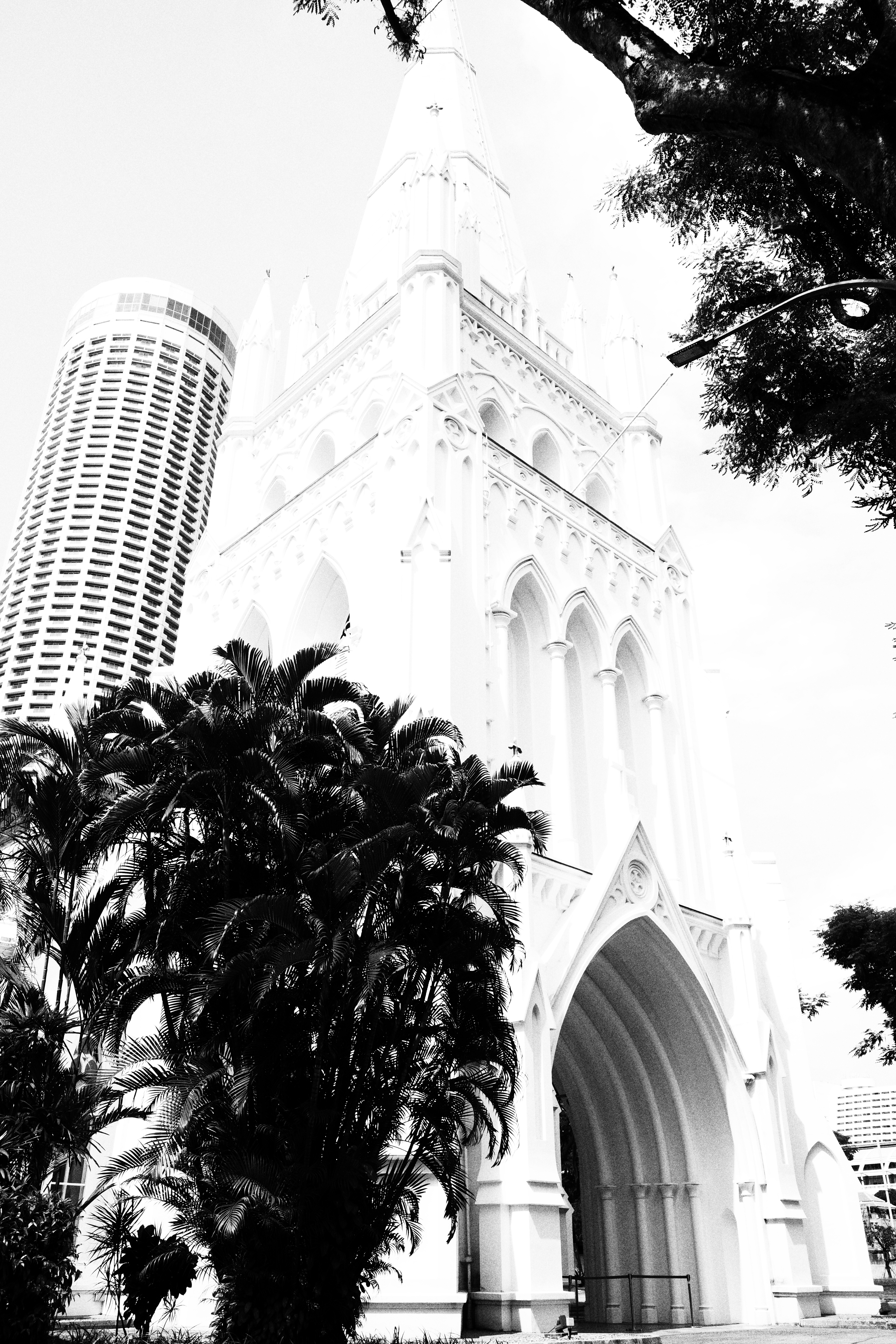
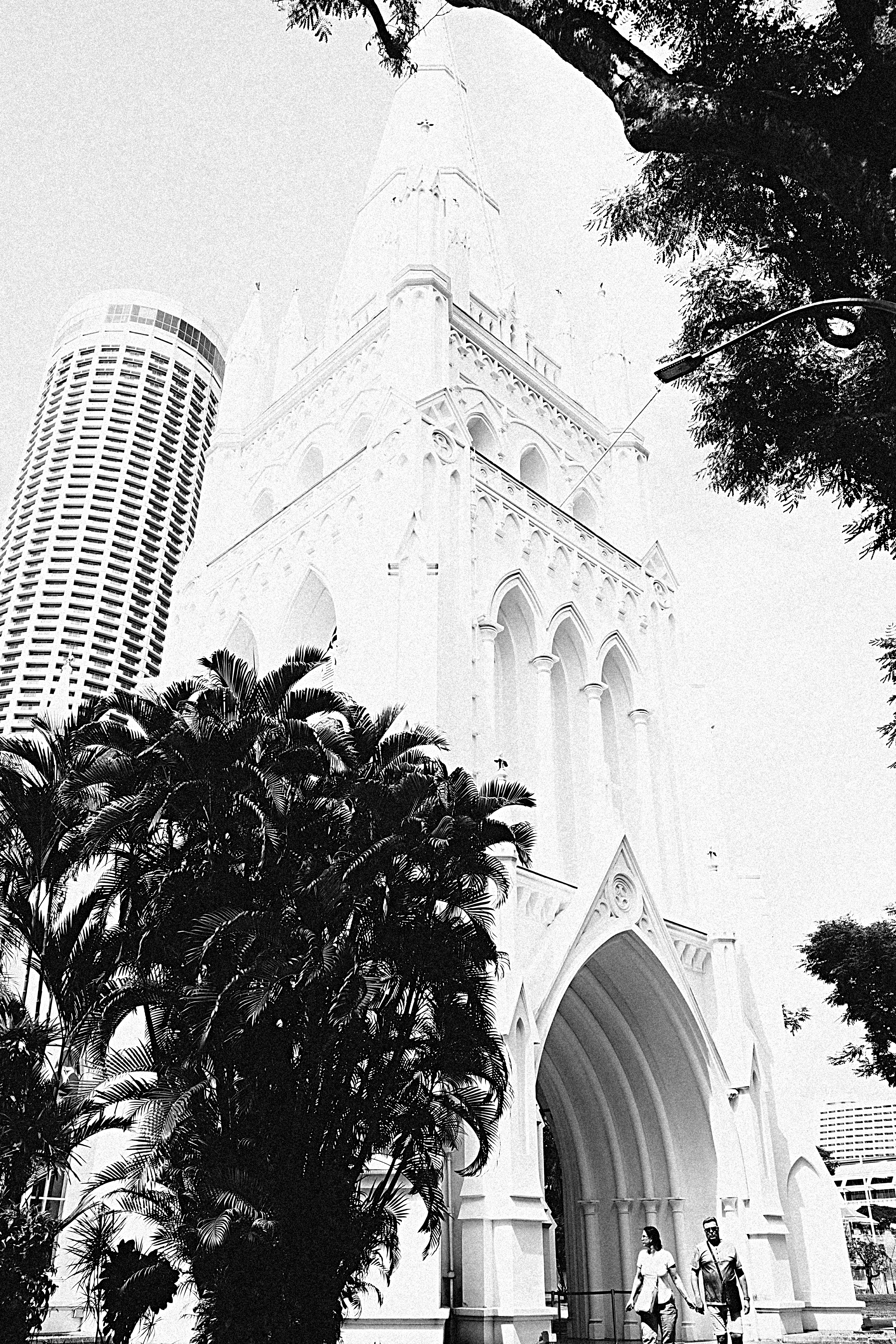
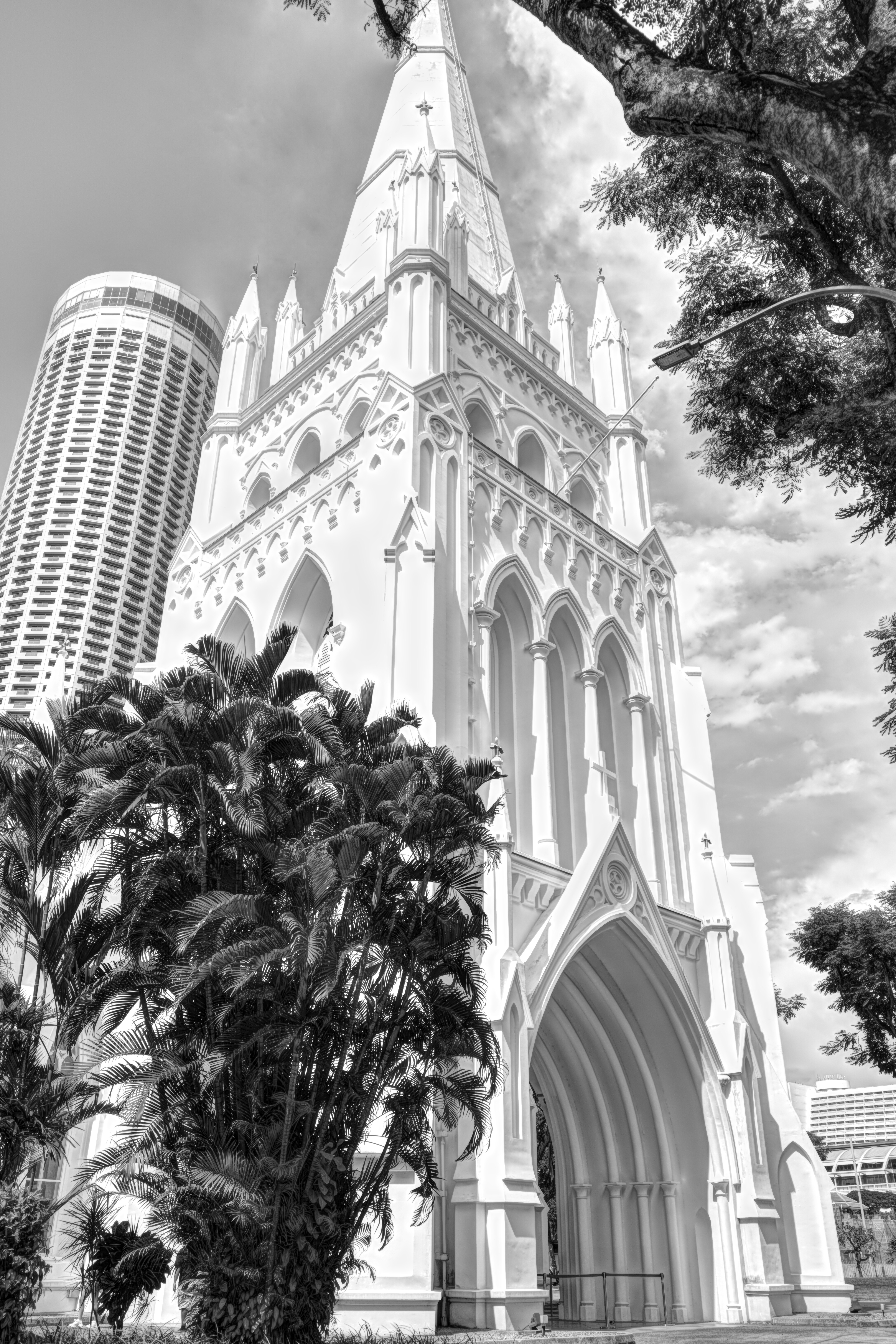
Each version of image control has its own look, though I found myself using Solid and High Contrast most often. Of course if one is undecided, one can go with photograping in raw (DNG) format and use the in camera processing tool to apply the specific image control (filter) of preference, though I have to warn first this gets the camera heated up pretty fast if done in succession.
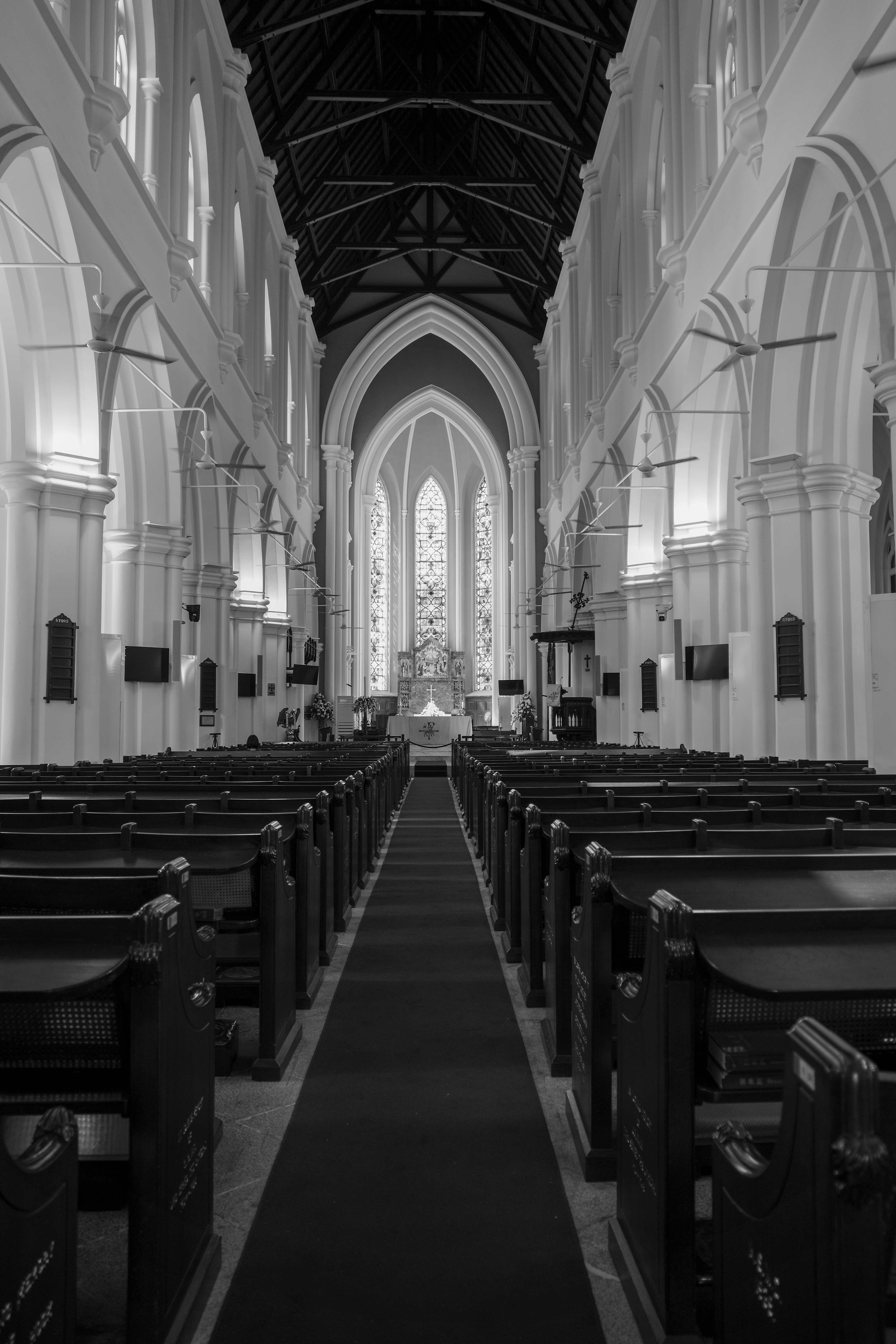
The built-in red filter adds another layer of seriousness. To the uninitiated, such a feature may sound niche. In use, it can be transformative. Blue skies darken. Clouds gain drama. Separation increases. Scenes that might otherwise feel flat take on a more sculpted, expressive quality.
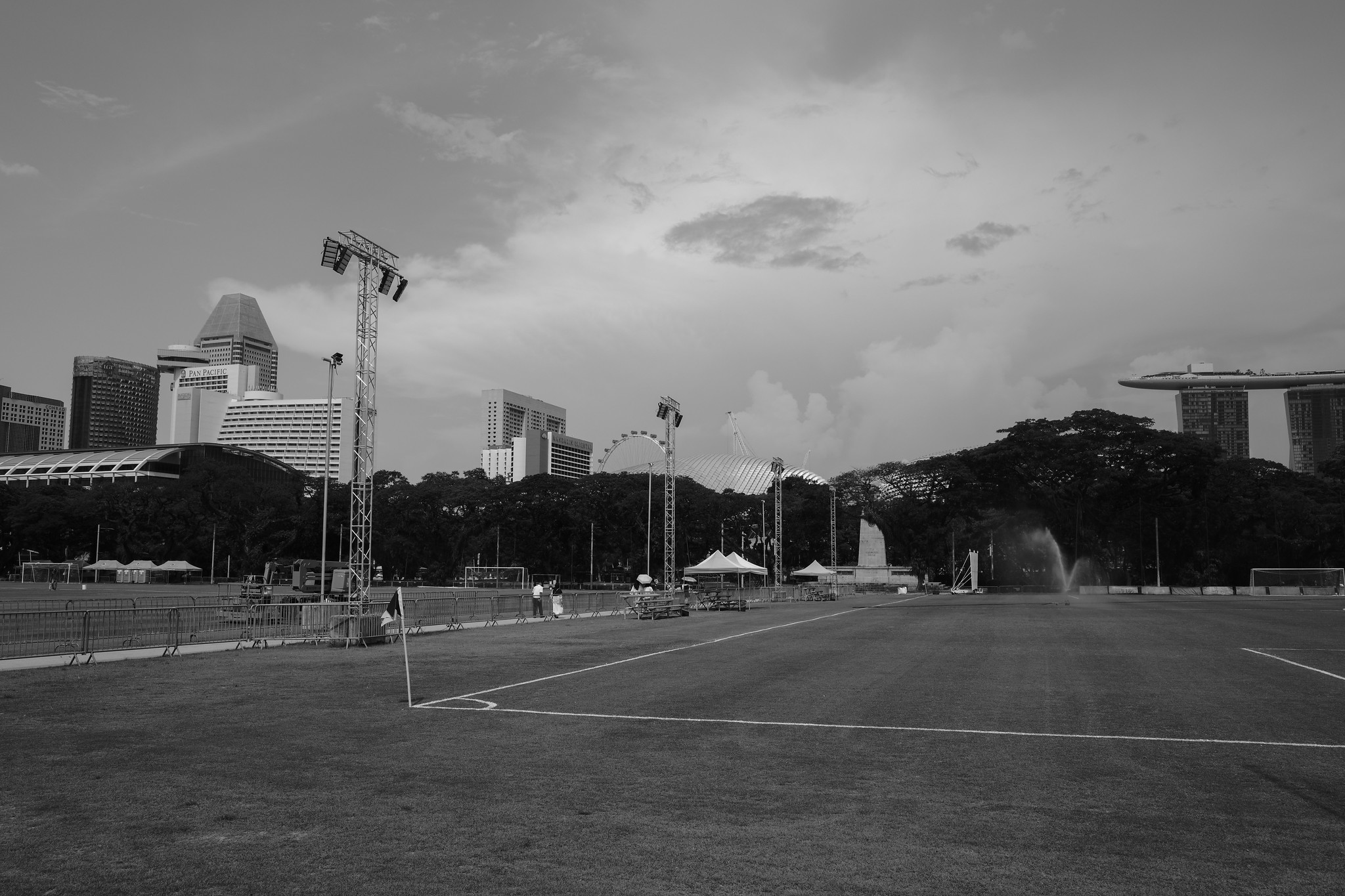
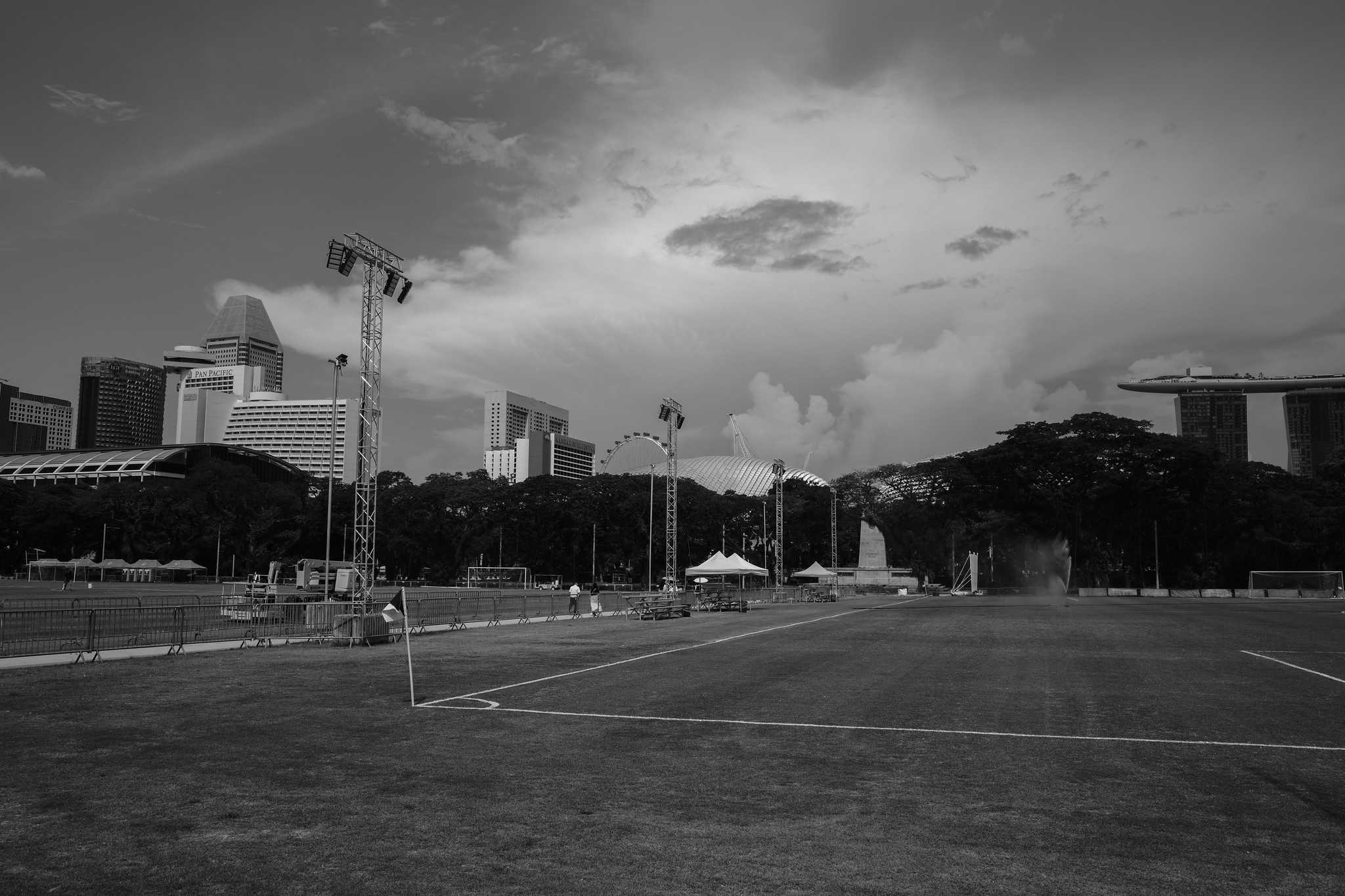
Though subtle in some cases, but having the exclusive to GR IV Monochrome Red filter activated definitely brings noticeable differences in output. This is not an effect one would necessarily use all the time, but it is the sort of tool that makes the camera feel more complete in its monochrome intent.
Then of course, there are compromises,
Unlike the Leica Monochrom cameras where post-processing the raw files is a must for me, the GR IV Monochrome feels more of a JPG-focused camera.
Battery life is decent rather than outstanding. There is no weather sealing, which remains one of the more obvious omissions for a camera one might genuinely wish to carry everywhere. The fixed 28mm equivalent focal length also remains very much part of the GR covenant: if you love that perspective, the camera feels liberating; if you do not, the camera may never fully become yours.
But I am sure Ricoh knows this as afterall, the GR IV Monochrome is not trying to negotiate with every possible preference.
A dedicated monochrome sensor changes the character of the files in a way that goes beyond mere aesthetics. Black-and-white images from such cameras tend to feel less translated and more native, if that makes sense. Tonal transitions often appear smoother. Fine detail carries a little more clarity. Noise, rather than breaking colour into unpleasant blotches, becomes more coherent and grain-like in appearance.
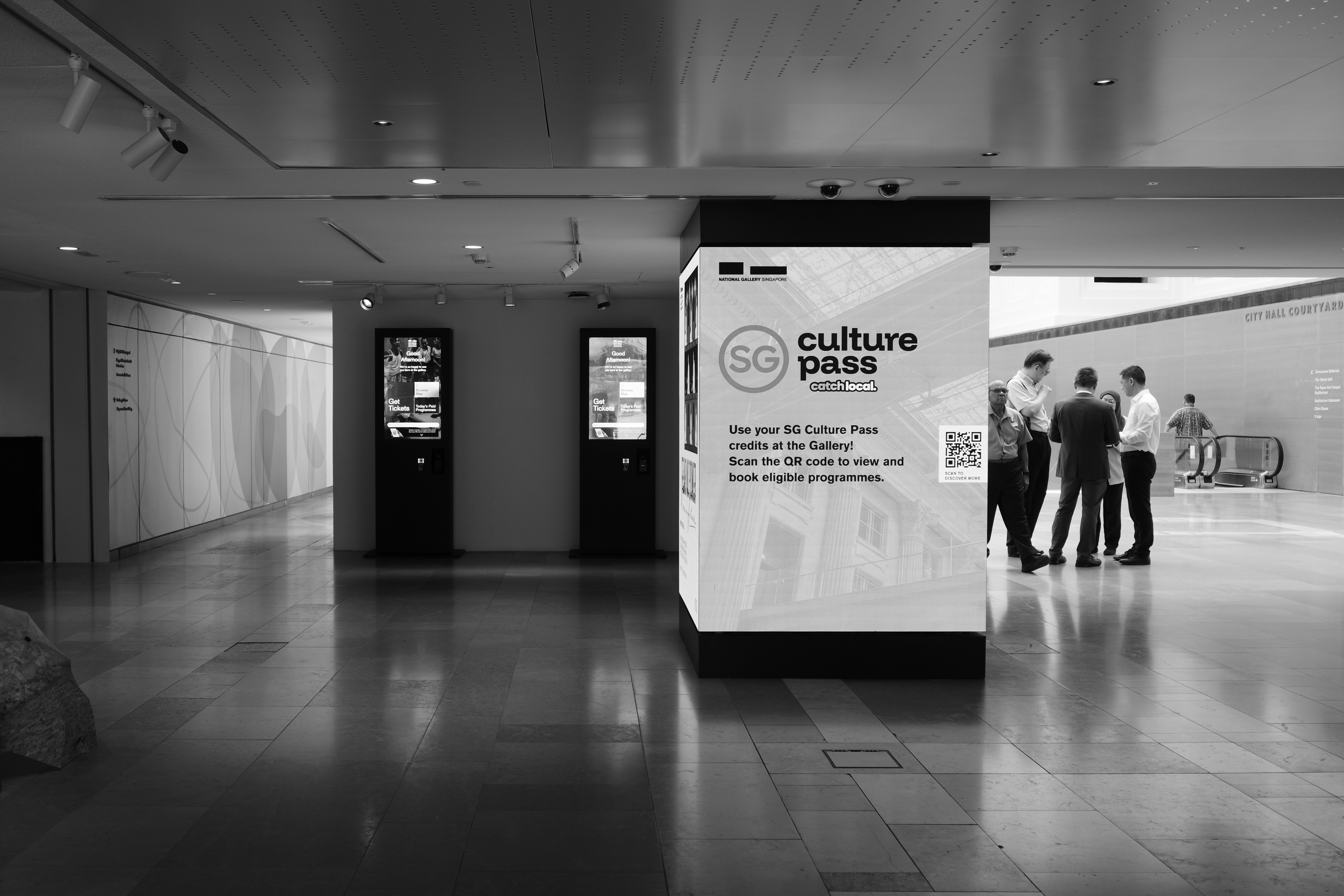
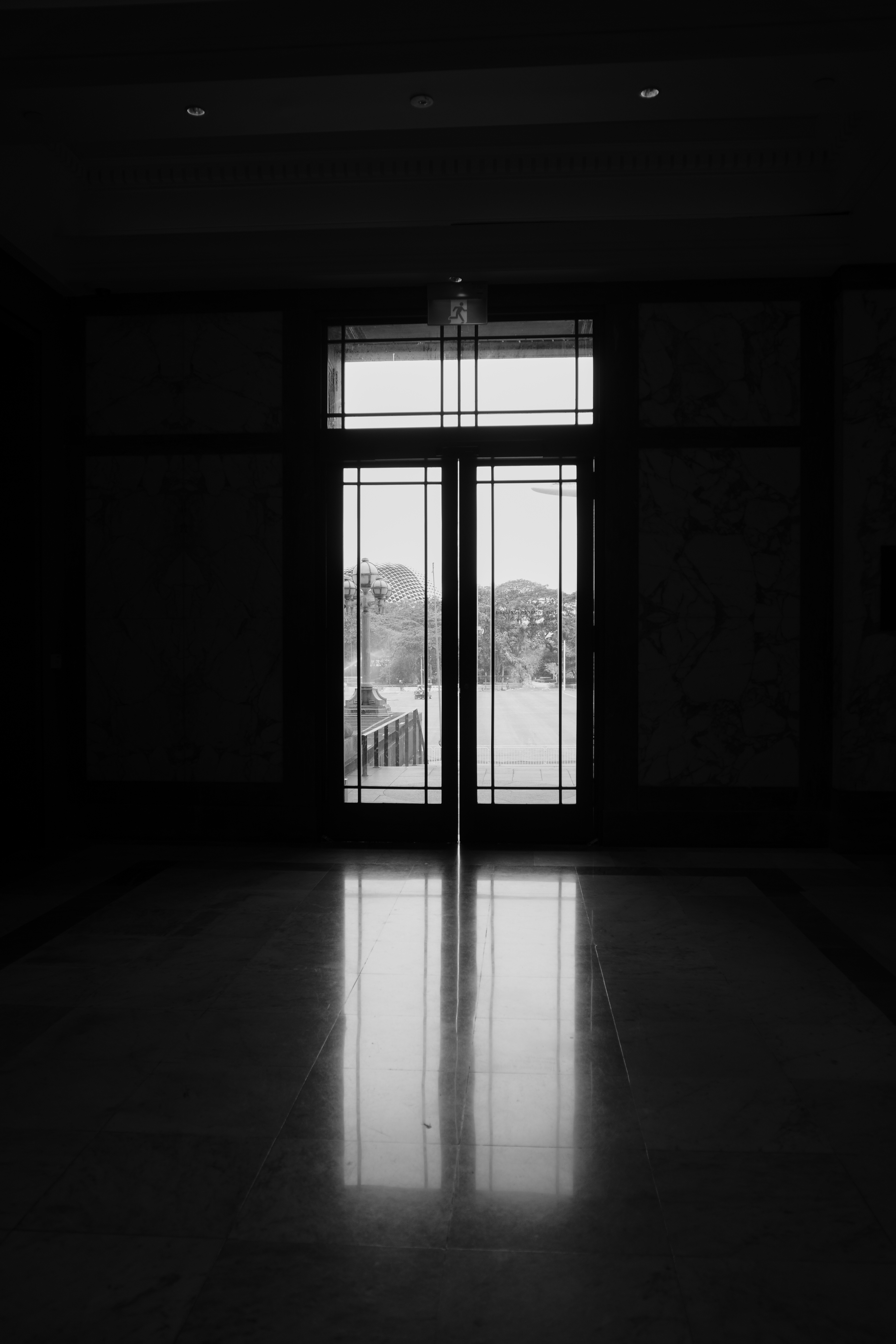
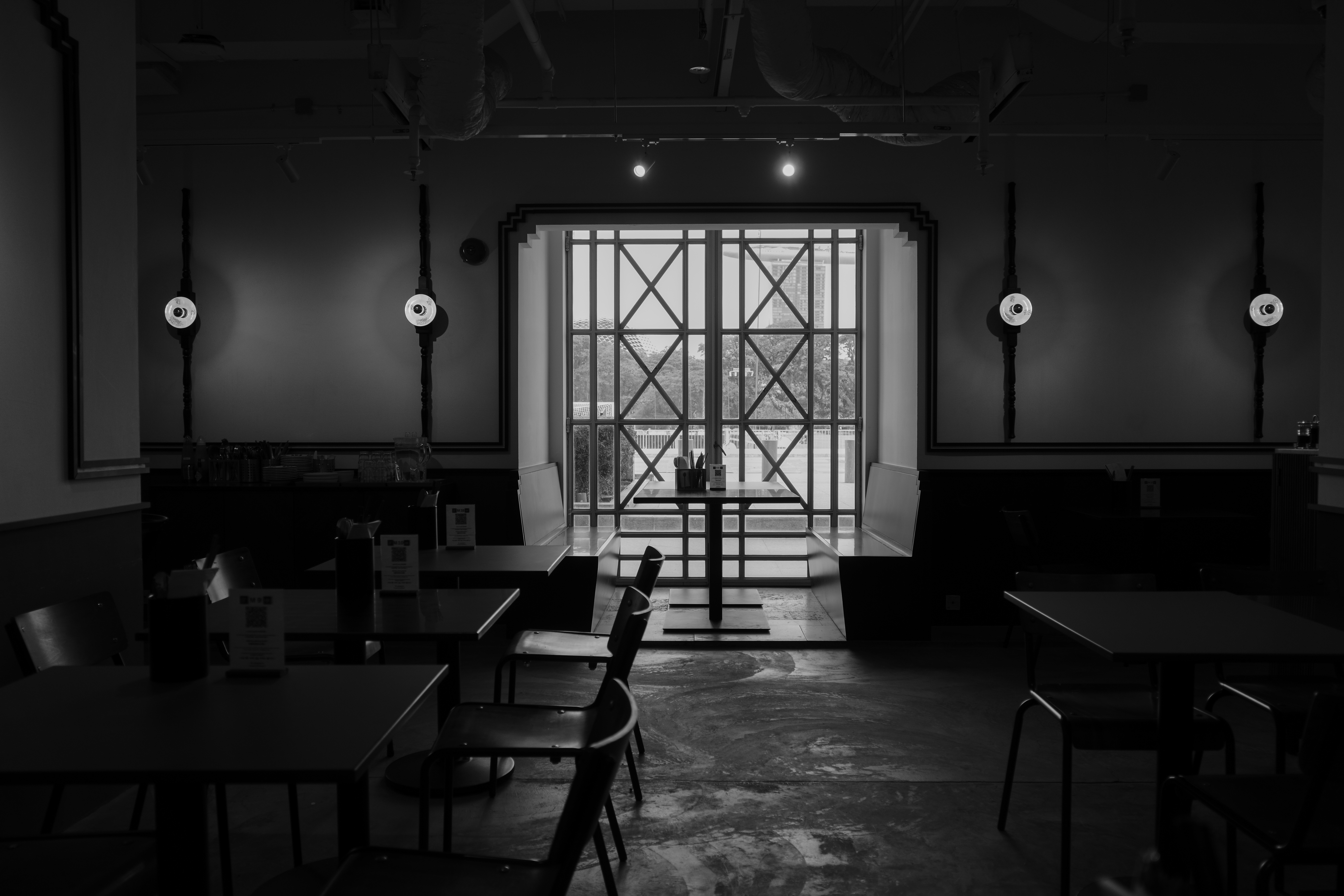
On a camera such as this, that matters greatly because the entire point is not simply to produce monochrome images, but to produce monochrome images that feel intrinsically photographic.
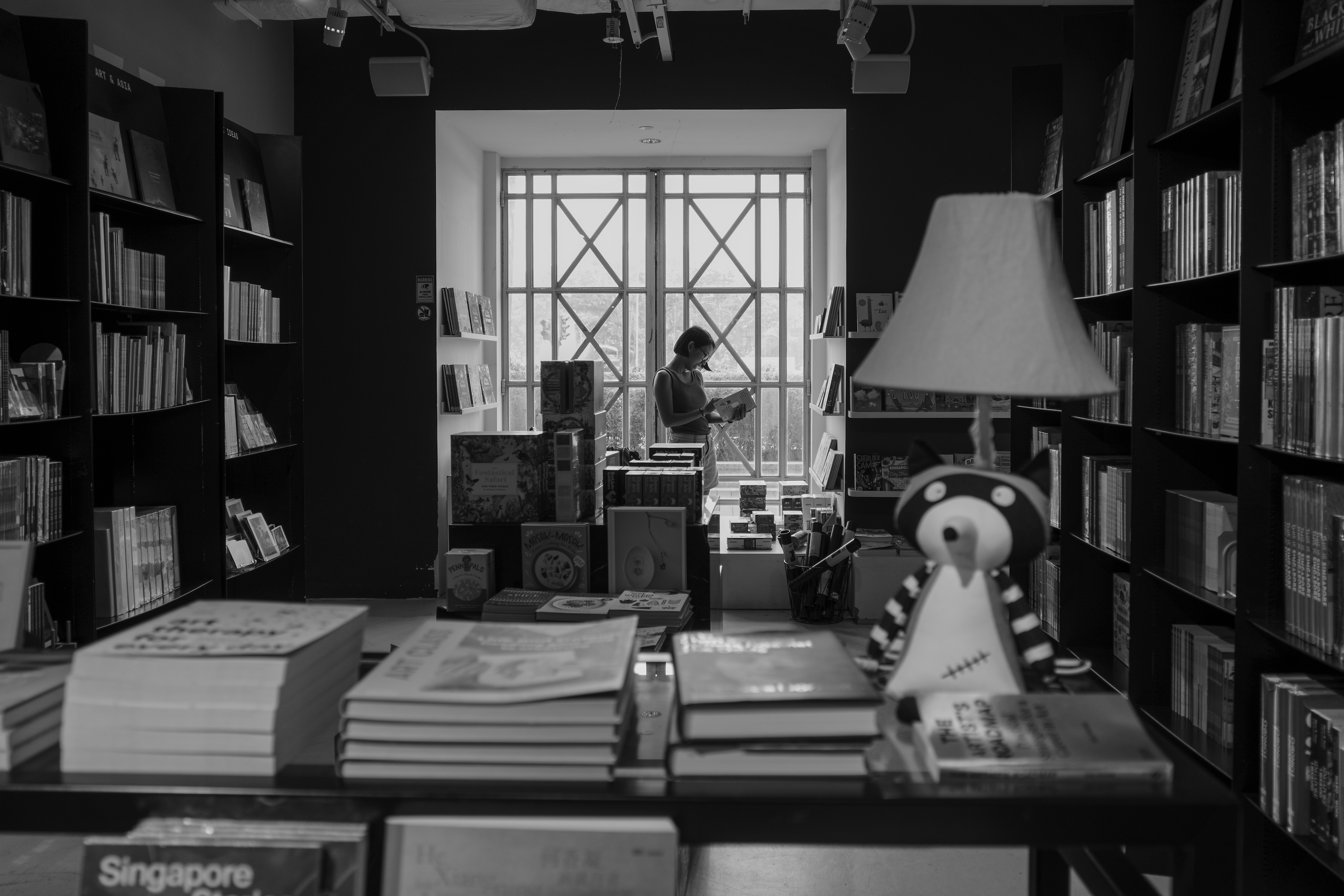
And this is where the GR IV Monochrome begins to justify its existence most convincingly.
Versus the Leica Monochrom cameras
I am sure this is a question that many will ask, but a question not every reviewer dare to be honest about or has the experience enough to answer.
If you have been following my reviews, you would have seen my reviews of the Leica M10 Monochrom, Leica Q2 Monochrom and of course, the M11 Monochrom (links on their names), and photographing in black in white is not just an act I dabble in, but also something I enjoy immensely.
It will be naive to think that the GR IV monochrome is the same as the Leica Monochrom cameras in output.
Before the Ricoh fanboys curse my name, let me explain that physics is physics – the full-frame sensor and much faster lenses the Leica Monochrom family can offer is an indisputable advantage over the GR IV Monochrome and I do feel that more reviewers with their loaned review sets should mention that the GR IV Monochrome and Leica Monochrom cameras actually attract a different-enough set of users.

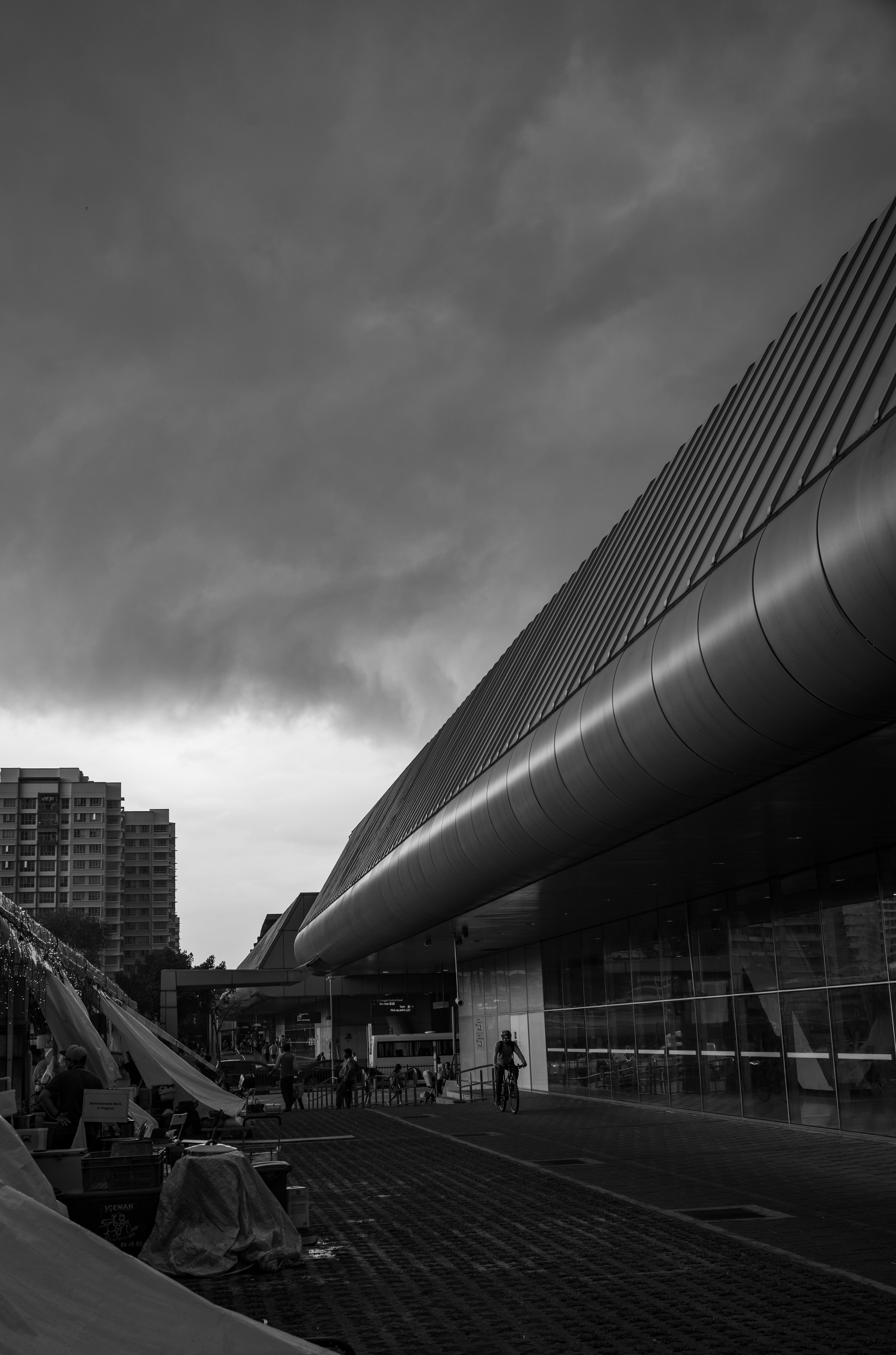
While I am comfortable going up to ISO 25,600 on the Leica Monochrom sensors, I would probably not go beyond ISO 10,000 on the GR IV Monochrom sensor though of course high ISO performance on the GR IV Monochrome is a significant step over it’s GR IV colour-able siblings.
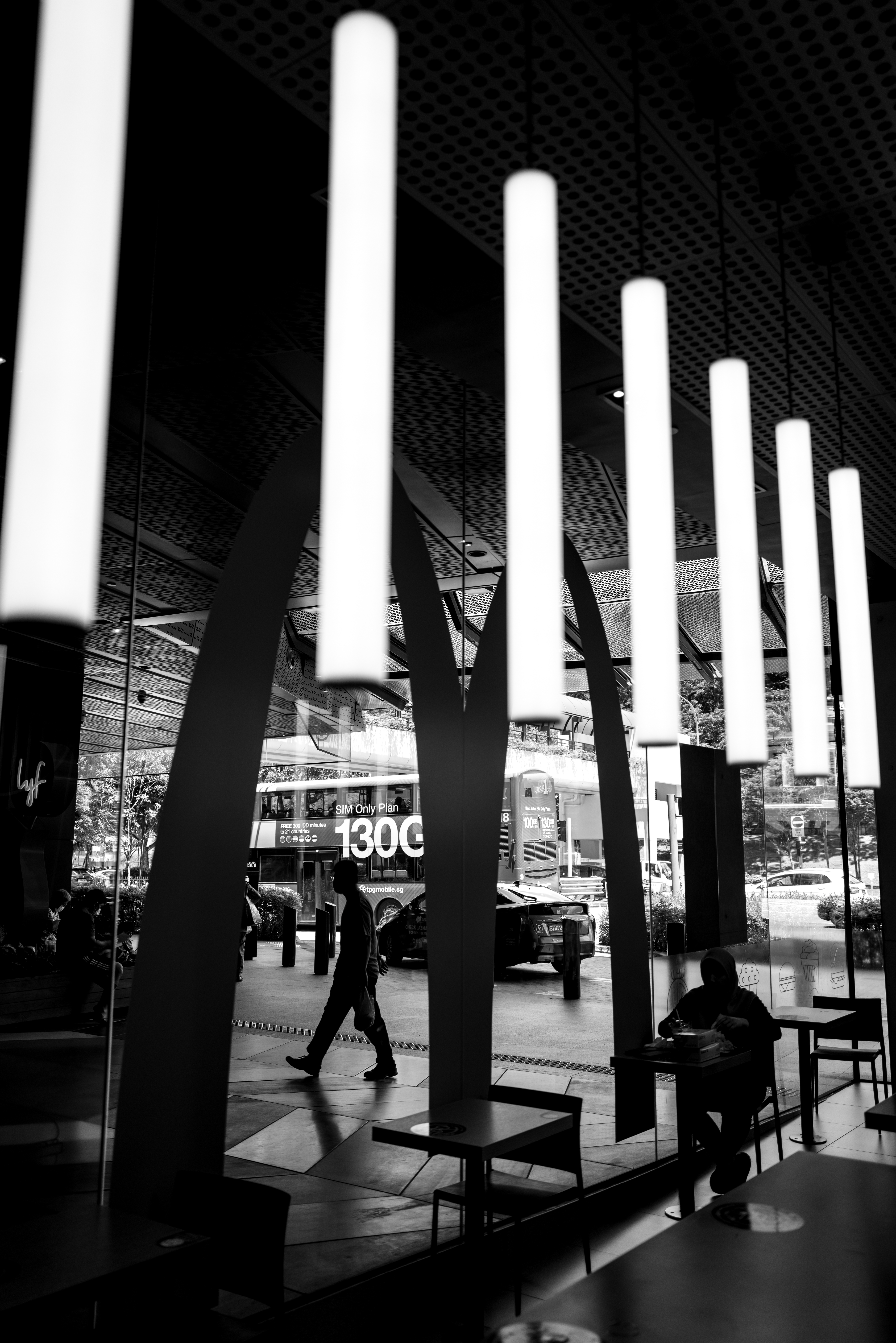
The need for rangefinder focusing, differences in price and of course, size/weight alone actually allows a segmentation of the market for Leica and Ricoh’s monochromatic cameras into different subsets. And of course a small reminder that despite the higher price of the Ricoh GR IV Monochrome at around SGD2599, the Leica Q3 Monochrom is basically a SGD9900 camera and the M-variants crossing the 5-digit mark without a lens.
In fact, I use a GR IV alongside my Leica M cameras. These are tools with different skillsets.
Conclusions
The Ricoh GR IV Monochrome is not a camera that makes its strongest case through versatility.
It makes its case through conviction, and in a way, the gateway camera for the photographer who is serious about the craft in black and white.
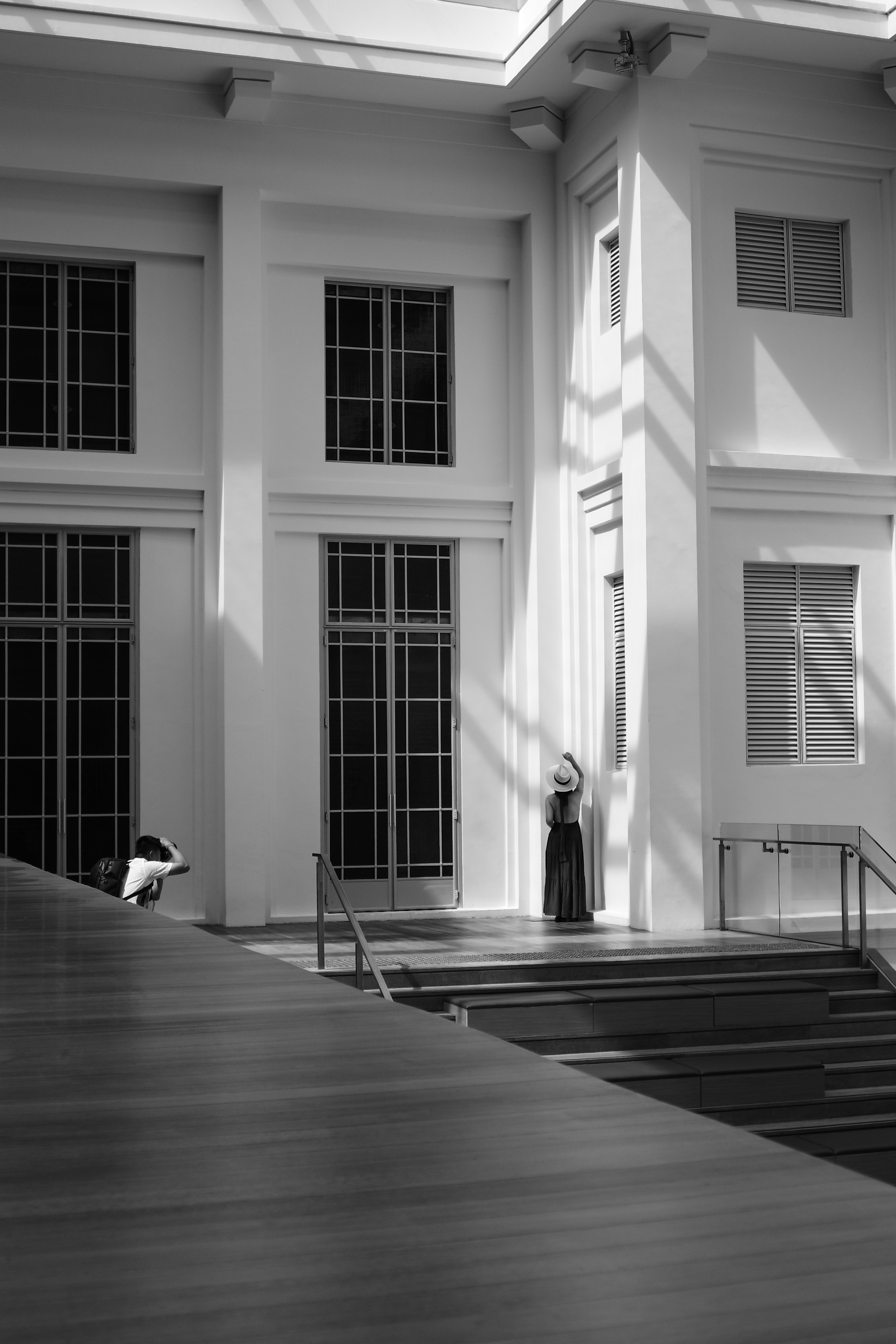
For the photographer who wants one compact camera to cover everything, the standard Ricoh GR IV is the more rational purchase.
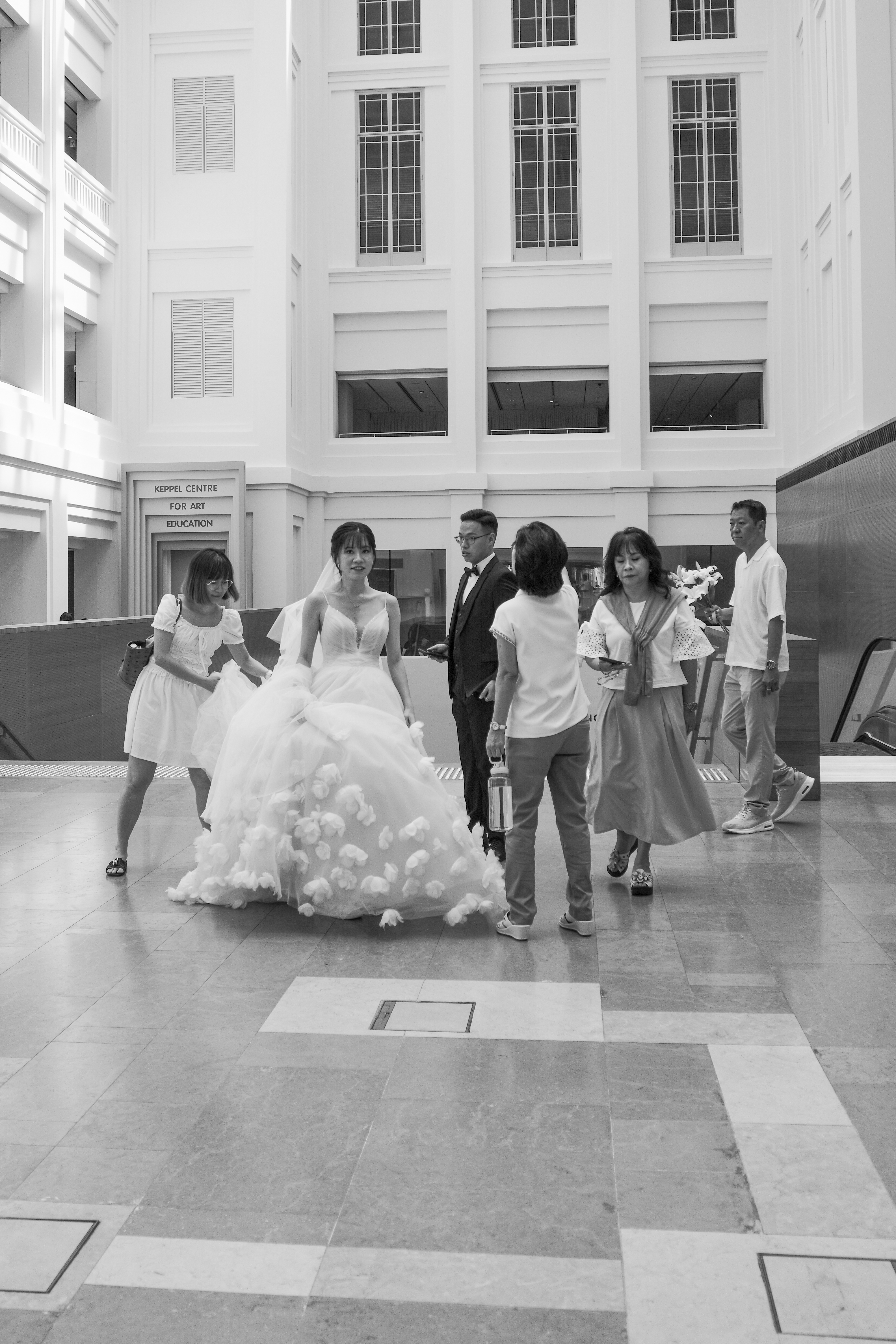
The Ricoh GR IV Monochrome refuses distraction. It narrows the field of possibilities in order to strengthen the one it cares about most. The monochrome sensor gives the camera a rendering that feels more deliberate, more tonally satisfying, and more in tune with the needs of black-and-white photographers. The built-in red filter only deepens that sense of purpose.
So many cameras today are engineered around breadth, more modes, more formats, more speed, more flexibility, more everything of fluff most photographers don’t even know exist on their cameras. The Ricoh GR IV Monochrome moves in the opposite direction. It is narrower, quieter, and far more self-assured. It knows what it is for.
And perhaps that is why it feels so compelling and admirable.
For those who already love black and white photography, the GR IV Monochrome will not feel like a gimmick but a camera that understands that monochrome is not a feature but a language.
Not everyone will need that, but those who do may find the Ricoh GR IV Monochrome very difficult to forget.
Thank you for reading.
Disclaimers:
1. All product photos and samples here were photographed by me. I believe any reviewer with pride should produce their own product photos.
2. All images were shot with my personal sets of the GR IV Monochrome and the respective cameras
3. This review is not sponsored.
4. I write as a passion and a hobby, and I appreciate that photography brands are kind enough to respect and work with me.
5. The best way to support me is to share the review, or you can always help support me by contributing to my fees to WordPress for the domain using the Paypal button at the bottom of the page.


Excellent writeup Keith. Appreciate the depth and comparison with Leica monochrome.
LikeLike
Hi, thank you for the kind words !
LikeLike
Lovely photos, and thank you for this review.
LikeLike
Hi there, thank you for the kind words !
LikeLike
Hi Keith, I recall you mention keeping the Q2M, will the GR Monochrome replace the Q2M for you?
LikeLike
Hi Keith,
right now I am not looking to buy another camera, but if I wanted something smaller than my Leica M (Typ 262) I would definitely get one of the GR IVs. Since there are 2 different focal lengths available, and the choice between colour and black and white, I would have to think hard which one I would want. I guess the only way to know for sure would be to try them all and only buy/keep the one I liked the most.
By the way, if I had a GR IV, I would definitely also buy this:
https://squarehood.se/products/ricoh-griv-v2
From the product page:
“The Ricoh GR is prone to dust getting into the lens and causing permanent damage, the idea with these hoods is to protect the lens while maintaining the small pocketable footprint the camera is loved for.”
I know from experience with my Leica that dust is the biggest enemy of any camera that I carry daily, so the protective filter/hood combination would be a must for me.
LikeLiked by 1 person
Hi! Agree, especially with the SquareHood comment. While it does add a bit to the size the design is one of the better ones I’ve seen available for the GR.
LikeLike
I appreciate the clear and honest approach. Nice work!
LikeLike
Hi there, thank you for the kind words
LikeLike
Hi, I saw your post on Carousell. This camera no good?
LikeLike
Hi there, thank you for checking in. That would be too simplistic a view. I have the Monochrom cameras from Leica, and thus in the aspect where output quality is my topmost priorty – I will choose the Monochrom versions. For users where camera cost is a higher factor or which they prioritise compactness, the GR IV Monochrome is nonetheless an extremely attractive choice.
LikeLike
The most helpful review I have read to date as I weigh a possible purchase!
LikeLike
Hi ! Thank you !
LikeLike
Thoughtful, illuminating and most helpful, so thank you. And your pictures are a real highlight, a pleasure to view them.
LikeLike
Hi, thank you for the most kind words 🙂 they encourage me.
LikeLike