
My beginnings
Before ‘OM Systems’ came into existence, my first proper camera, approximately 15 years ago, was from the microfourthirds (MFT) system with the Olympus Pen E-P1 and M.Zuiko 14-42mm ƒ3.5-5.6 kit lens.

This, of course, later progressed to me owning almost every lens in the MFT system, with the Panasonic Nocticron 42.5 ƒ1.2 a favourite and the Olympus E-M5 my trusted EDC camera, including my trek to Nepal’s Annapurna base camp in 2014. A fond memory was how the camera easily brushed off the sub-zero temperatures and all the bangs and dings along the way.
I still recall how Olympus OMD cameras were the hallmark of durability and compactness back then.

And before we start, here’s my appreciation to Master D’Imaging Singapore, the authorised distributor for OM systems, for reaching out and providing the loan sets for review.
In 2025, today is a mix of nostalgia and anticipation,
As I share my review of the just-announced OM-5 Mark II (OM-5 II for short). The OM-5 II is the OM system’s latest release with a focus on this camera being the epitome of balance of weight, size, image quality, and reliability, and of course, functionality for the adventurer. Let us take a deeper look with this first impressions review.
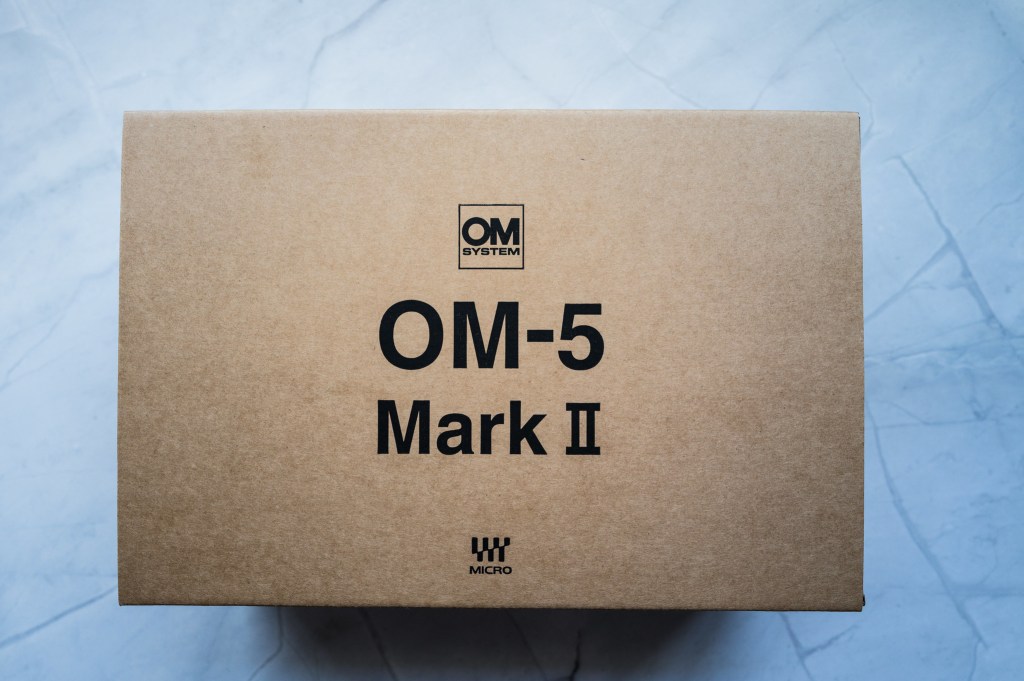
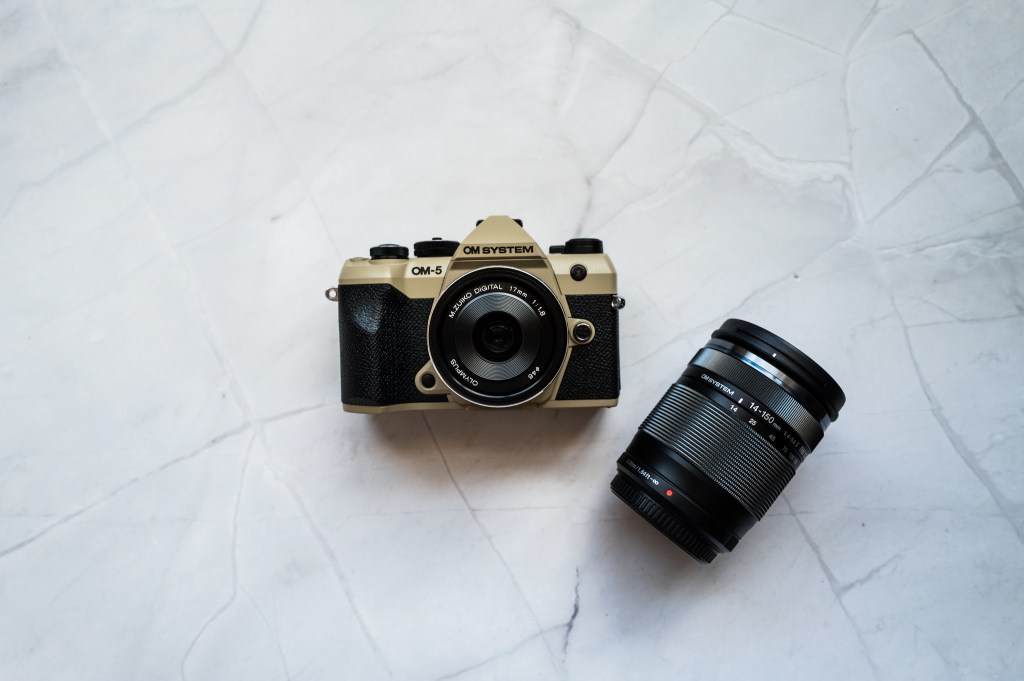
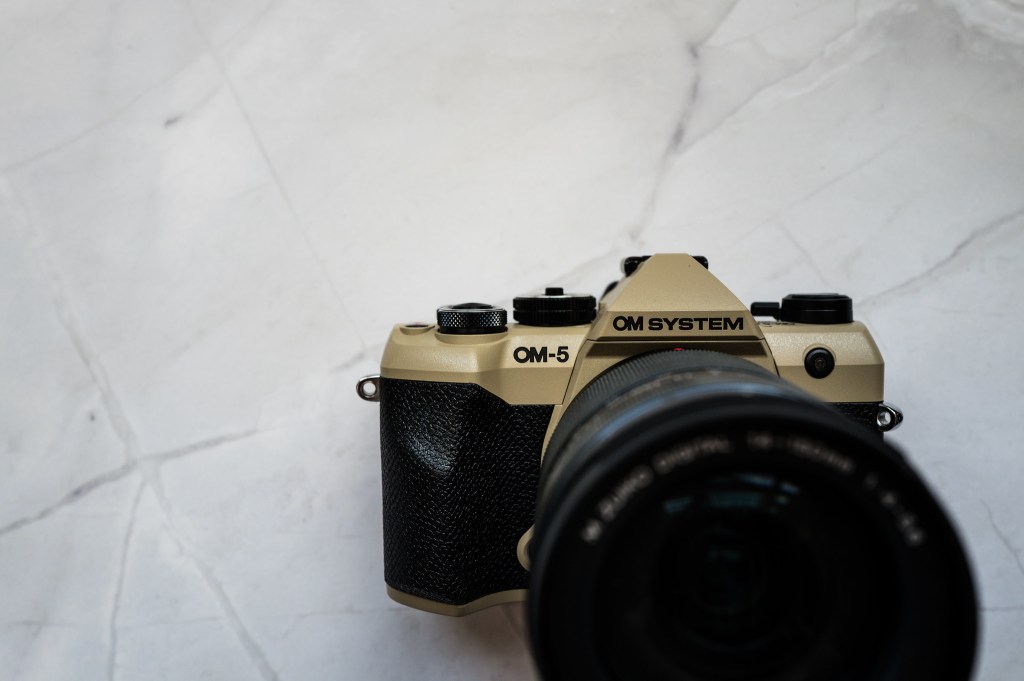
The new OM-5 II comes body alone or with the OM 14-150mm II ƒ4-5.6 (and prob some other kits based on markets) and quite of interest : 3 colourways with the Beige limited edition shown here.
It’s up for argument, but personally I find the ‘beige’ to be more reminsicent of the champagne color of the awesome OM4-Ti camera.
Key Technicalities
- 20 megapixels 4/3 Live MOS sensor
- TruePic IX image processor (OM-1 II uses the generation X image processor)
- Crop factor of 2x
- Up to 30 FPS (fixed AF), 10 FPS (continuous AF) with 121 points cross-type phase and contrast detect AF systems
- 5-axis 6.5 steps image stabilisation (up to 7.5 steps with sync-IS compatible lens)
- 2.36m dots OLED EVF with 3-inch 1.04m dots LCD
- IP53 rated (dustproof, splashproof, -10 degrees Celsius freeze-proof)
- 4k 30p, C4k 24p, FHD with 1 x UHS-II SD card slot
- 125.3mm x 85.2mm x 52mm at 370 grams (body only), 416 grams with SD and battery
- Uses the OM BLS-50 battery rated at around 310 shots.
- Computational photography features: Live ND, Starry Sky AF, Live Composite, Hi-res 50MP shot, HDR, Focus stacking and on.
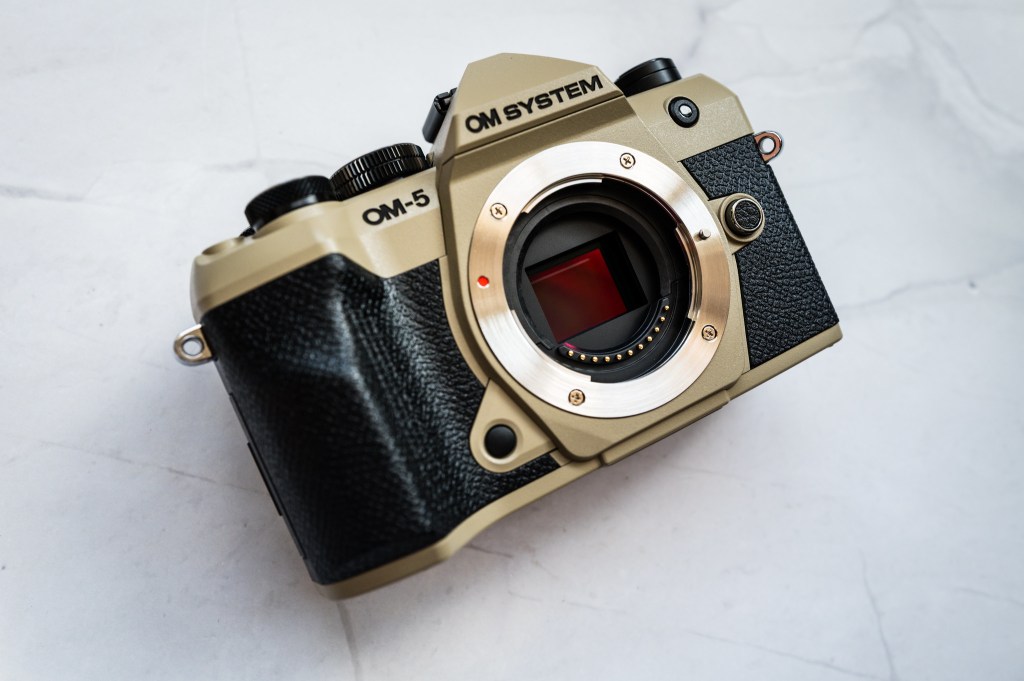
The OM-5 II uses the same 20MP sensor found in the OM-5 camera, unlike the OM-1 II and OM-3.
(A thank you to the reader who pointed this out to me)
Handling and performance
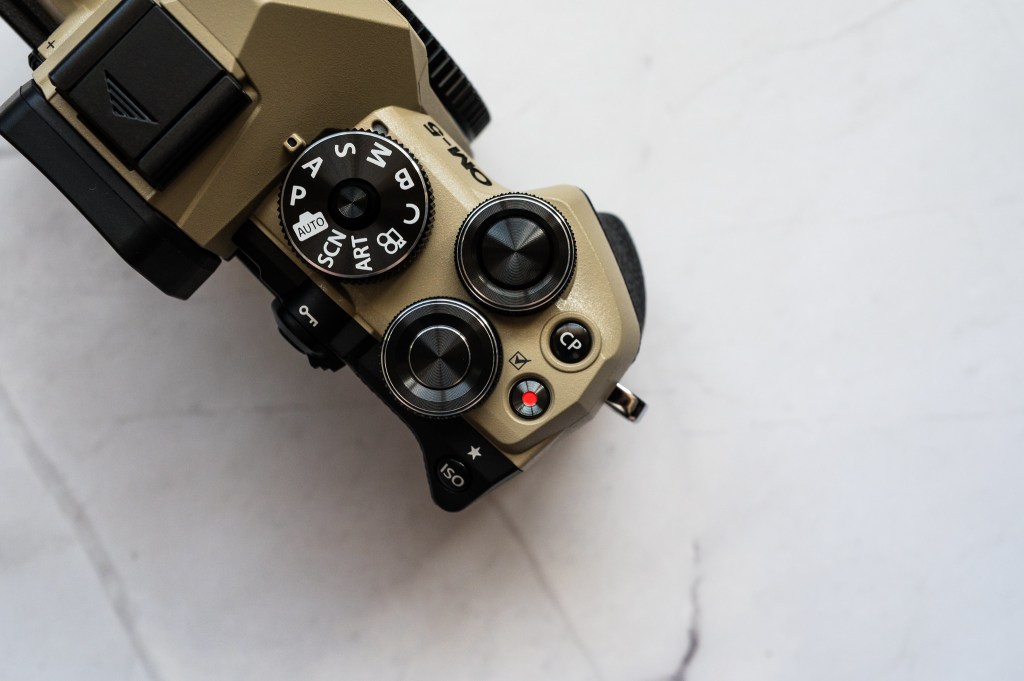
It is quite an interesting experience to hold the OM-5 II at all 416 grams of it (with battery and SD card included), after all, I am quite used to much heavier cameras like the Leica SL3, which comes in around 800 grams without a lens attached. This alone makes the OM-5 II a most attractive camera, weight and size-wise.

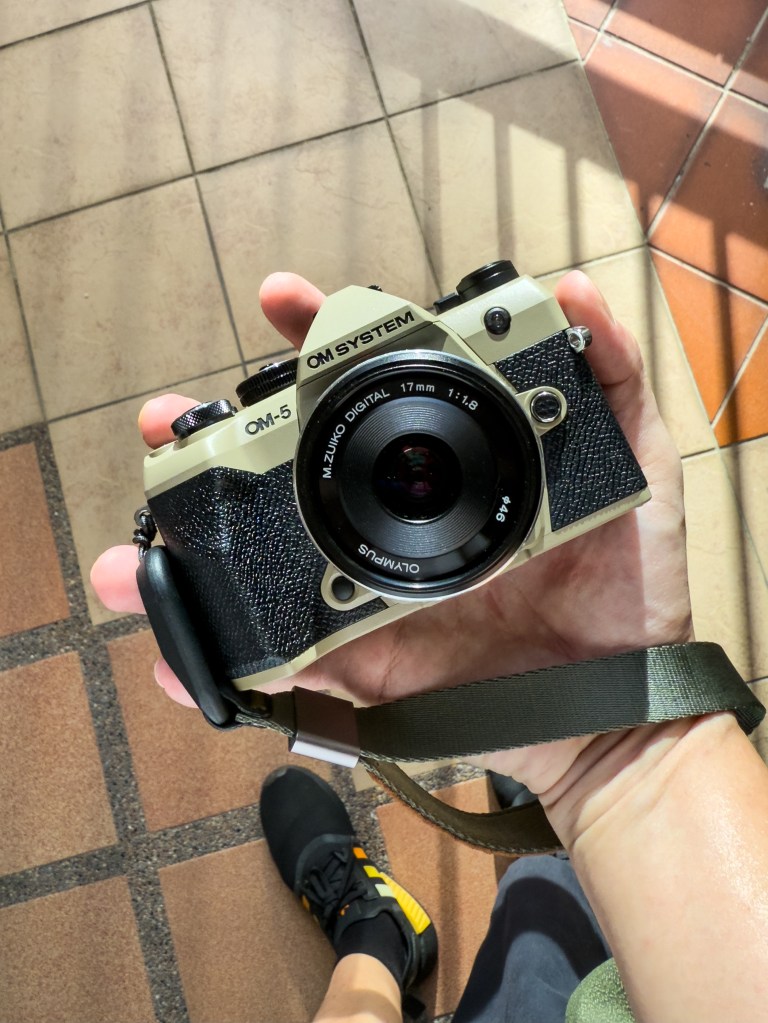
In fact, paired with a compact lens like the 120-gram OM M.Zuiko Digital 17mm ƒ1.8 lens, one gets a hard-to-match full camera system in terms of weight and size, comparable to, say, the Fujifilm X-E series coupled with a pancake lens.
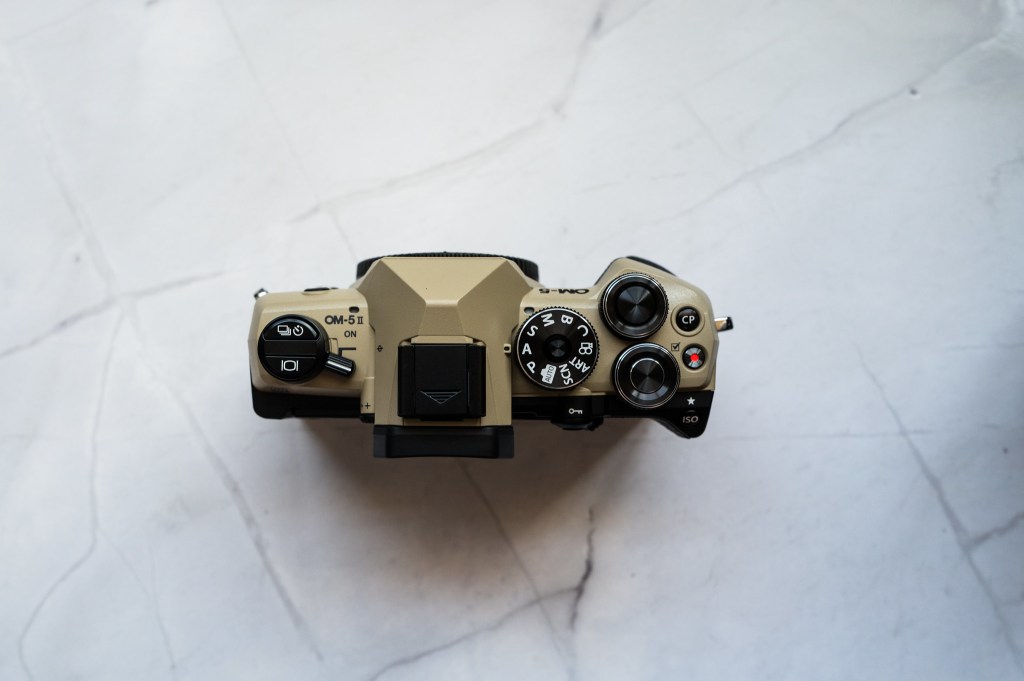
The contours on the grip also allow one a very steady grip on the OM-5 II without adding bulk to the camera, the generous suite of physical dials on the top plate and buttons on the back gives the user good access to the settings and menu when necessary.
As expected, the build of the camera and the dials are also sturdy with no flex, working in tandem with the IP53 rating to ensure a camera ready for one’s trek or even mountaineering adventures.
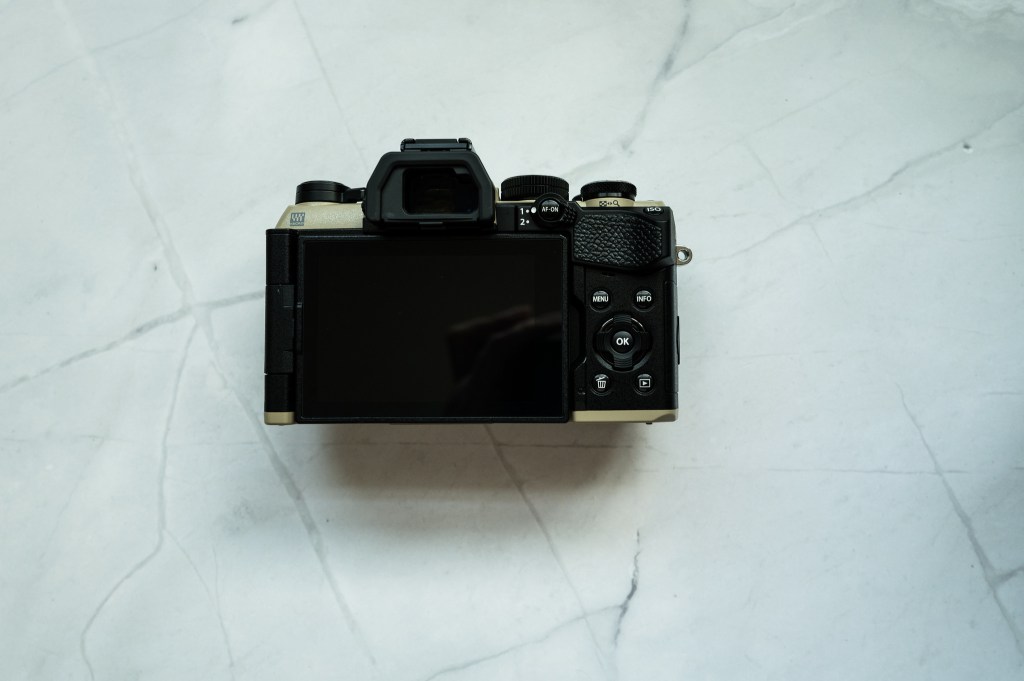
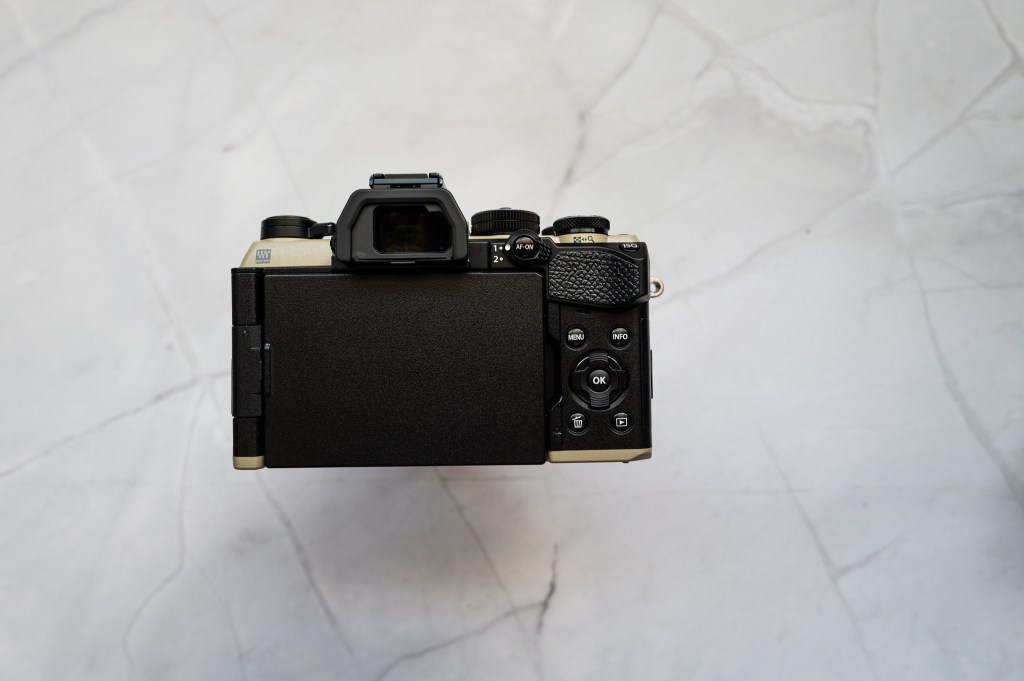
The OM-5 II comes with a flip-out vari-LCD 1.04 million dots LCD that allows one to keep the LCD side protected by flipping it over during potentially more dangerous activities.
With this supplied OM 14-150mm II ƒ4-5.6, one also gets a 28mm to 300mm focal length equivalent, in a way giving one an all-in-one lens option, while those who prefer higher optical performance can opt for the OM 12-100mm ƒ4 IS Pro or the faster OM 12-40 mm ƒ2.8 Pro II lens.
One point to note is the OM system already has an exisiting full suite of lenses for its cameras.

I had around three days with the camera and prepare the review and related sharing, having to return before the official announcement hence the ‘first impressions’ title.

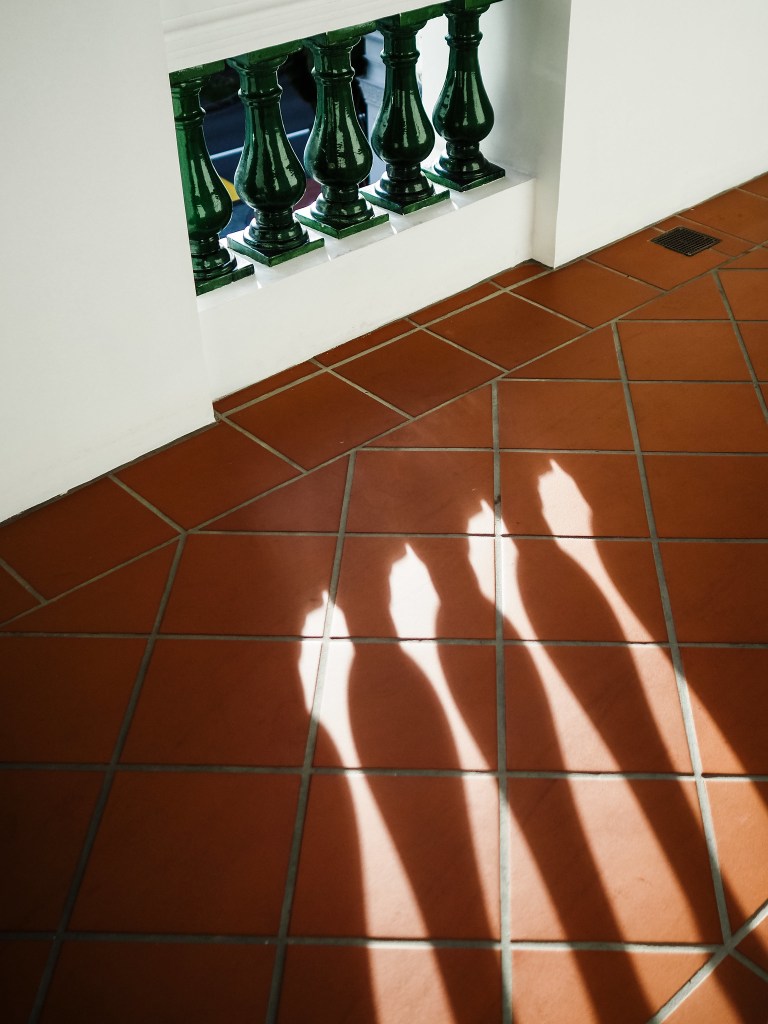
I managed to work around 1000 frames on the OM-5 II in my time with it, and I’m glad that it performed without a glitch, and the autofocus system did a capable job of getting the shot.


What I like a lot is not only the instant familiarity from my past experience using the previous OMD cameras, but also that the design DNA follows, with the OM-5 II set up with the photographer foremost in mind: controls are where you expect them, with quick access to some of the most commonly used photo shooting features.
All samples shared were processed from the JPEGs as the raw files were not supported by Lightroom Classic at this point of time.

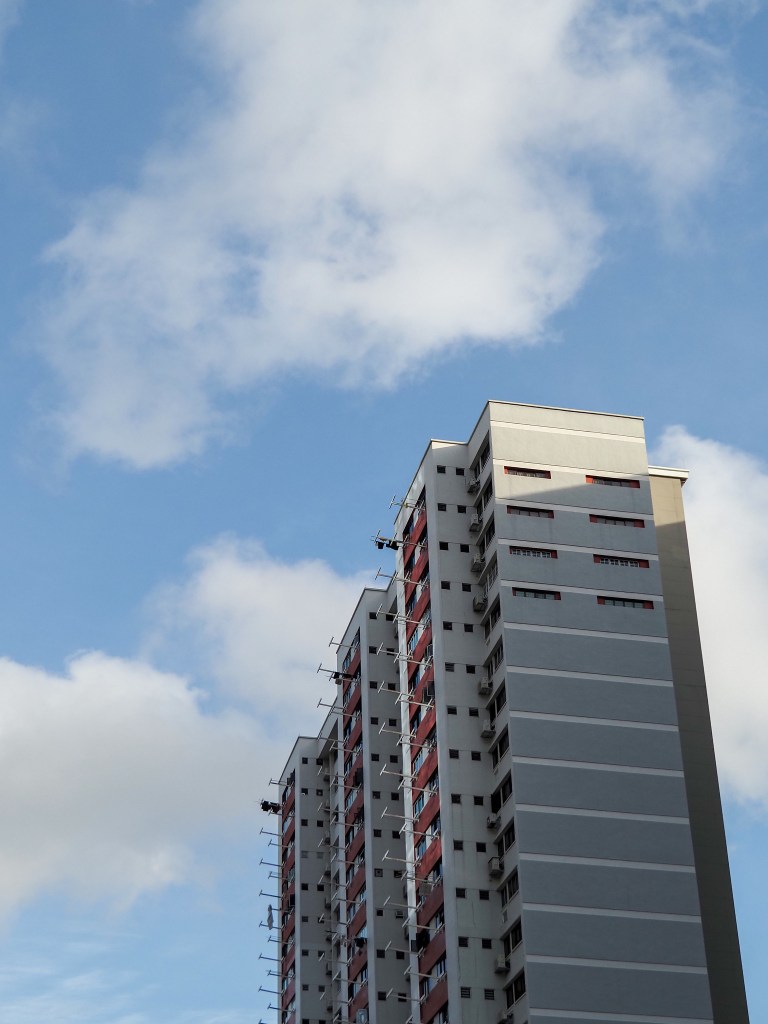
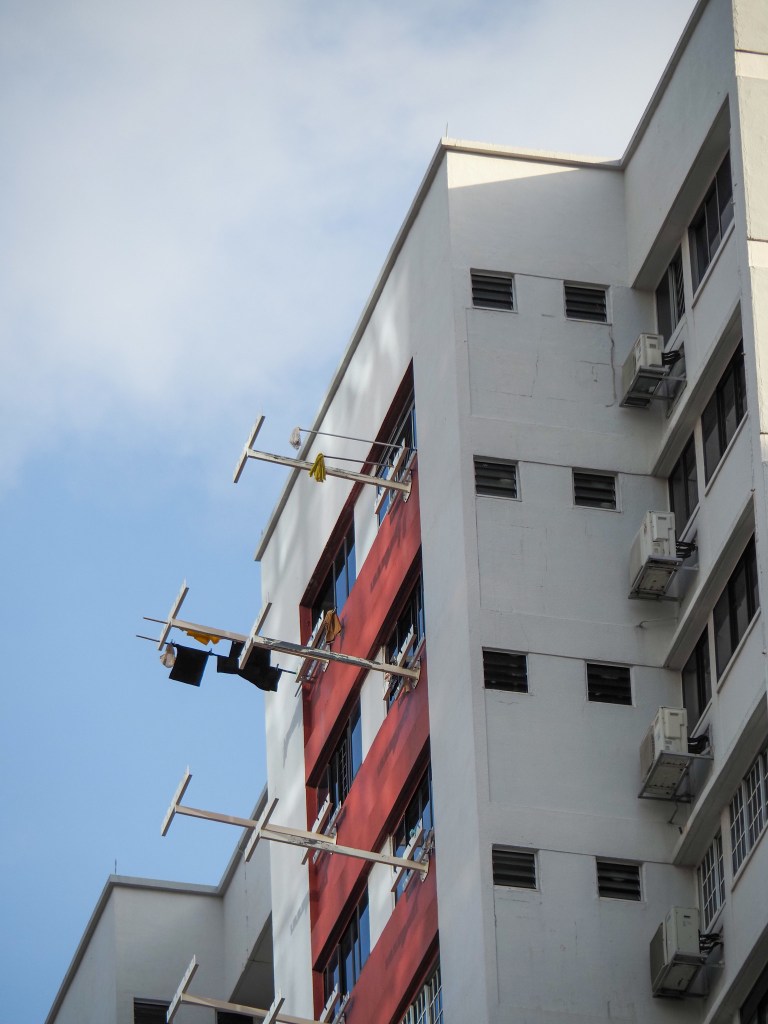
The supplied kit OM 14-150mm II ƒ4-5.6 lens, while in my opinion could be ‘faster’ in aperture, performed well enough across the wide to telephoto ends. The top picture is at 14mm (28mm in full frame terms), while the bottom is taken from the same spot but at 150mm (300mm in full frame terms) focal length. Personally, I would have preferred the OM 12-100mm ƒ4 IS Pro, but I am being choosy here.
The shutter mechanism is also dampened very well and is relatively quiet, with a nice satisfying click for feedback. The metering and auto white balance work really well together to give you great images straight from the camera: the only tweaks generally needed are if you want to adjust settings to suit your personal taste, and that’s a rabbit hole of possible customisation.


The output from the OM-5 II is pleasing, and if the settings and exposure were done right, generally, there is little post-processing needed. By default, you’ll get natural-looking images, but if you want more vibrant or less saturated results, then this can easily be set up, with plenty of adjustable settings.
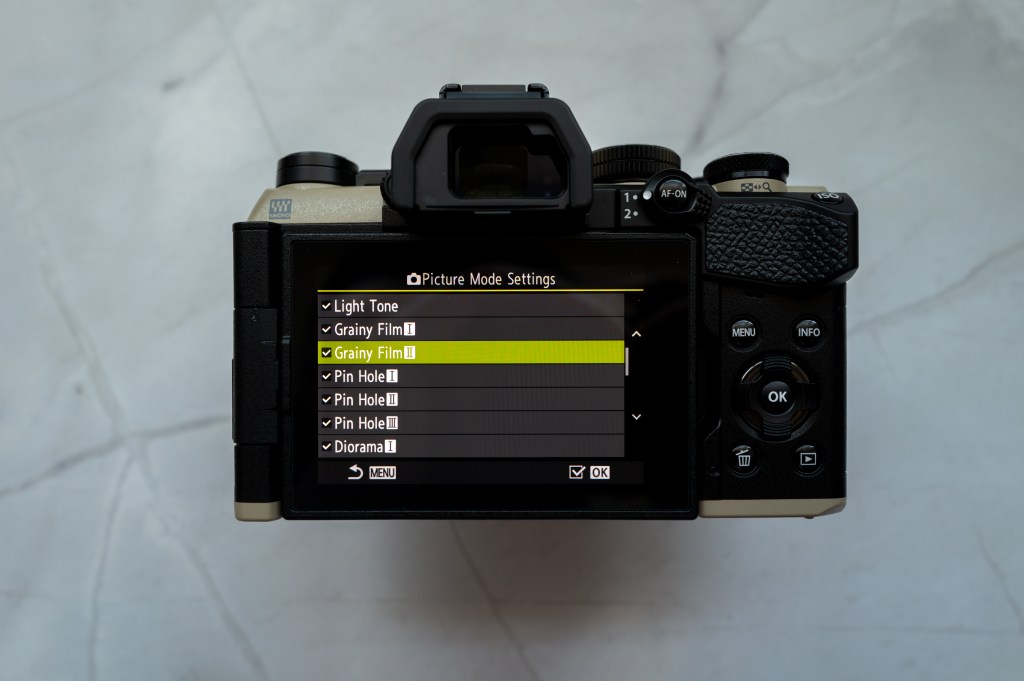
Not forgetting the ART filters can be quite pleasing to utilise too, and you can access these directly on the PASM dial.


The image stabilisation system is excellent, though by default, the camera will tend to raise the ISO and maintain shutter speeds in low light. A tip is that I find it worth adjusting the camera to lower ISO values and working with slower shutter speeds, with the 6.5 (standard) to 7.5 (with compatible lenses) stops of stabilisation making quite a positive difference.

So, what differentiates OM-1 II, OM-3 and OM-5 II
As the naming hierarchy (and difference in price) goes, the OM-5 II is below OM-1 II and OM-3, where both cameras use the newest Gen X imaging processor, while OM-5 II uses the Gen IX processor, and this does show in the capabilities. The OM-5 II does not use the stacked sensor found in the OM-1 II and OM-3 cameras.
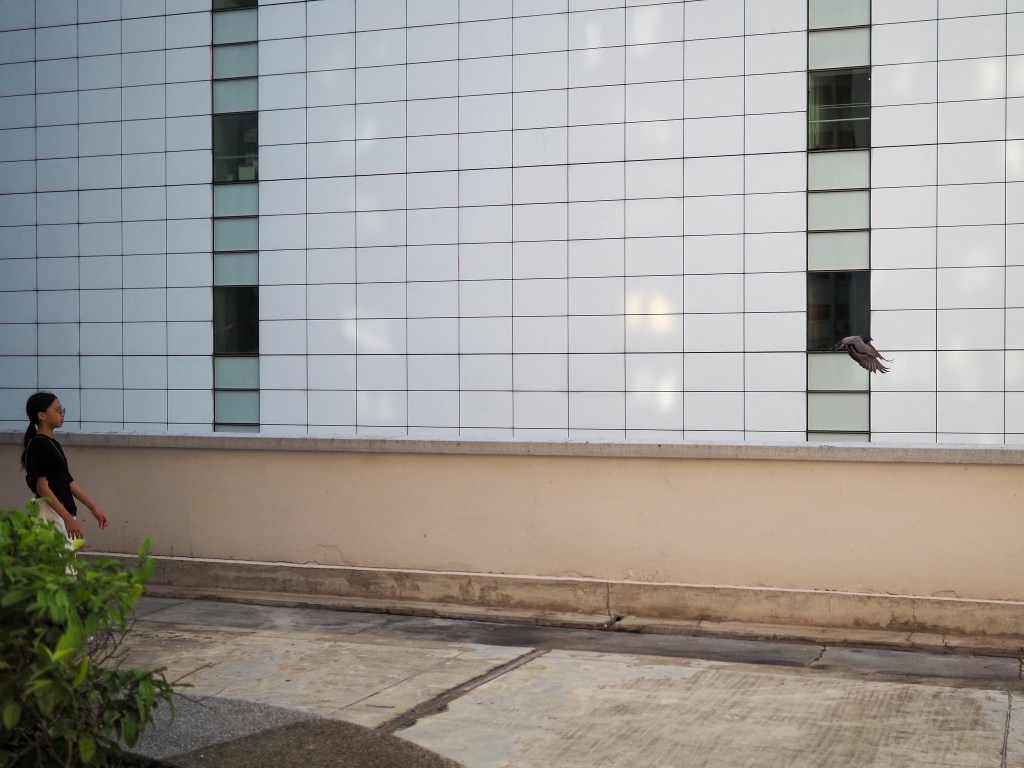
A clear omission is the subject detection mode found in the higher-end OM-1 II and OM-3 cameras. There are a few other areas where one might notice, for example, the OM-5 II maxes out at 30 FPS while the OM-1 II and OM-3 max out at 50 FPS, the blackout-free performance of the higher-end models does not come to the OM-5 II either.
Image stabilisation maxes out at an impressive 7.5 stops, but not the 8.5 stops that the OM-1 II has but again, my personal take most users of the OM-5 II won’t be bothered with this versus the OM-1 II users who will seek to squeeze every bit of performance from the camera going for wildlife and sports shooting.
OM-5 II’s in camera stabilisation at 7.5 stops (with selected lenses) is quite a feat, exceeding what some top tier models in other brands achieve.
Being an entry-level model, one also gets 1 x UHS II SD slot instead of the 2 slots one gets in the OM-1 II flagship model.
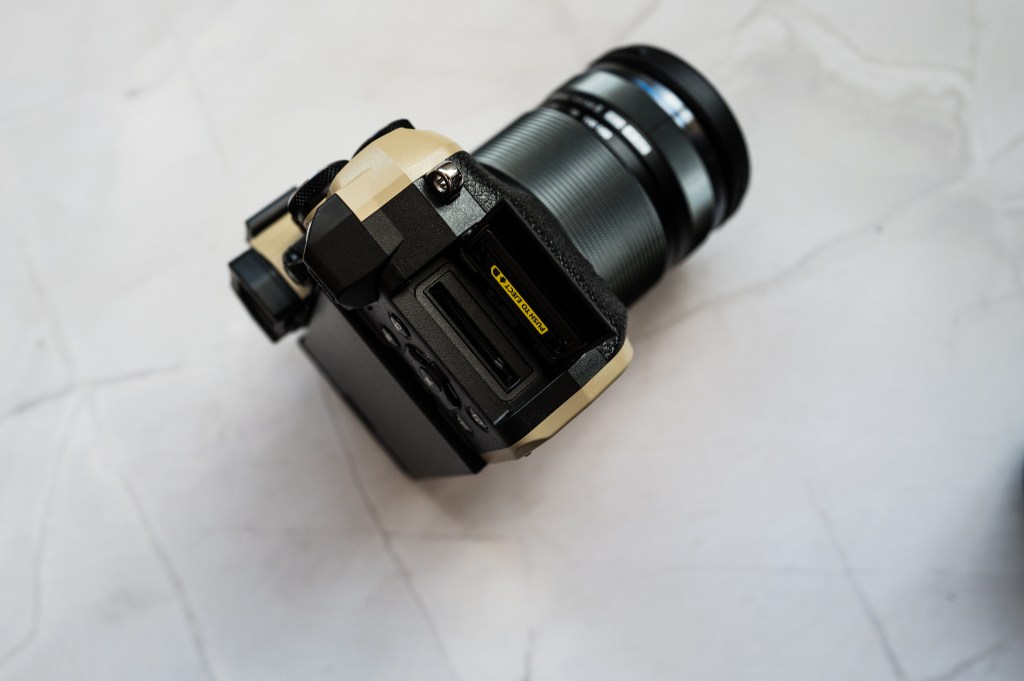
This said, the OM-5 II is still very competent camera for the enthusiast and an excellent entry level camera.
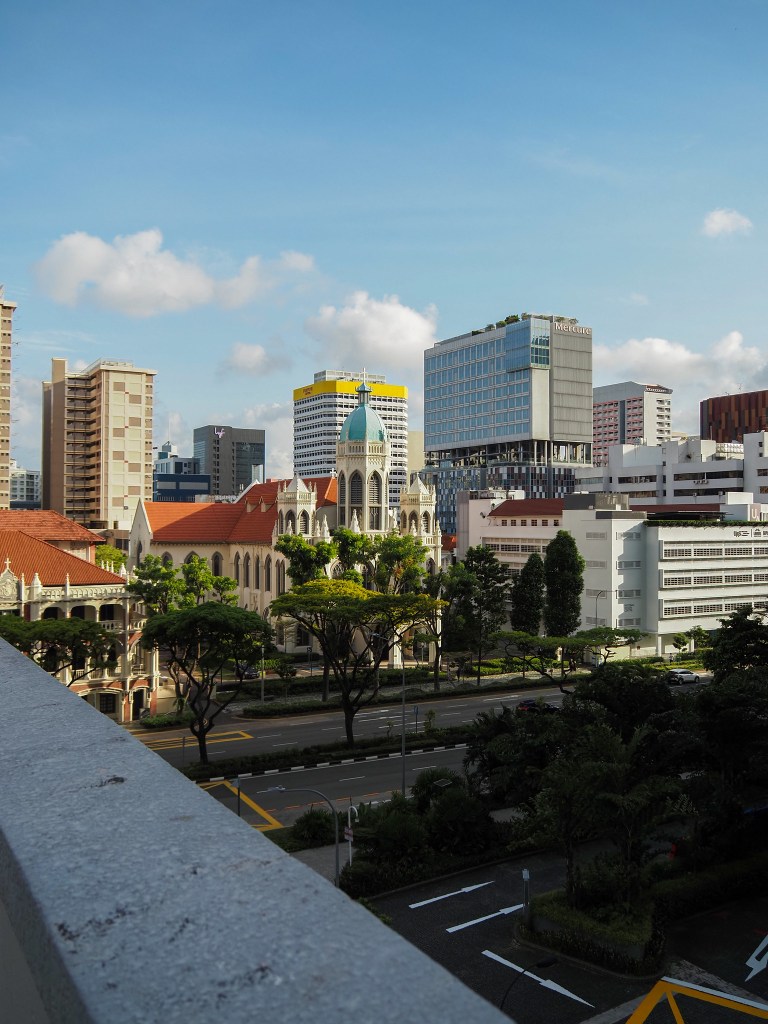
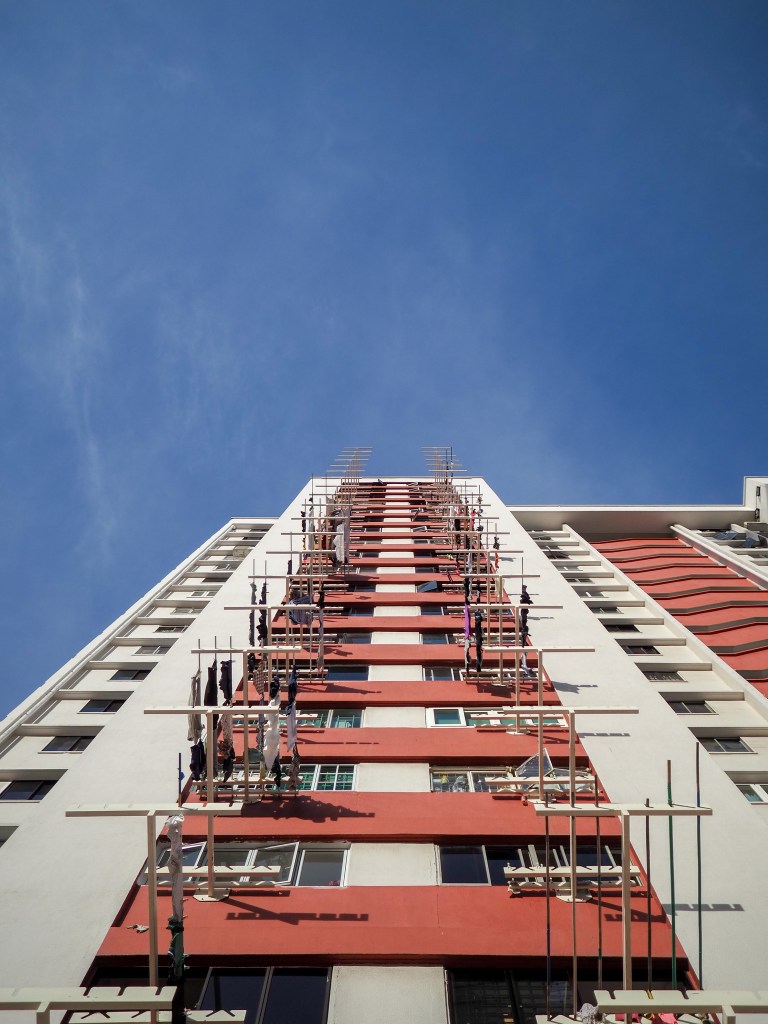
Here is another set of samples showing the OM M.Zuiko Digital 14-150mm II at 14mm and 150mm ends. Really quite good for a kit lens of this price level, and the interesting thing is that within the OM system, the PRO-designated lenses are significantly above these two lenses I used for this review in terms of build and performance.

A personal take is that OM System cameras are really pulling ahead in computational photography and this is an area that should be discussed more by OM Systems.
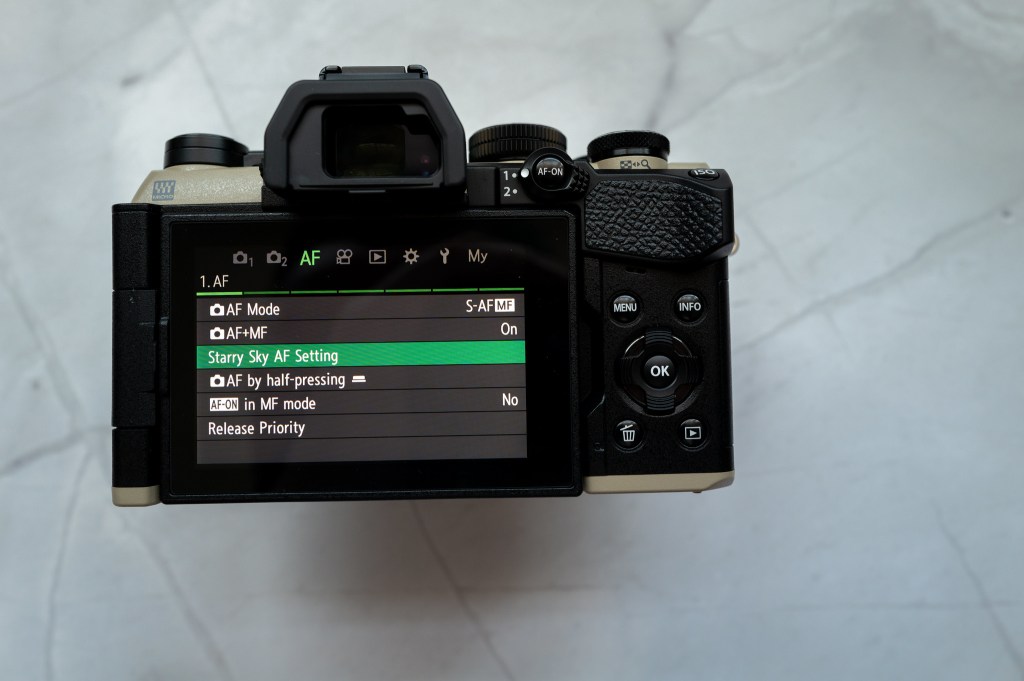
A distinct advantage the OM system cameras have is the robust and practical use of technology for their computational photography functions, and this is one area I hope to explore further in future. (read more here)
Even to elaborate on one, say Starry Sky AF (read more here) is an autofocus technology that allows you to accurately pinpoint stars, whether you’re shooting handheld or with a tripod, which is already very impressive and a big useful step for astrophotographers.

Conclusions
The OM-5 Mark II camera is an easy to work with and robust mirrorless camera that hits true to its designated purpose and target user, the one who seeks a truly compact camera which one can trust to perform (and survive) a more adventurous trip with functions carried down from its predecessor and more powerful siblings that the more experienced user will appreciate.
A well designed camera should be easy to use for beginners yet provide customisation for advanced users and the OM-5 II does well in this aspect.
While it is true that it lacks certain functionalities the OM-1 II and OM-3 have, this has also allowed OM systems to price the camera in a more reasonable way (at USD1199, which is 40% cheaper than OM-3’s SRP of USD1999).
Given how much prices have only risen exponentially for photography gear in these two to three years, the OM-5 II is an entry-level camera worth one’s consideration.
Thank you for reading.
Disclaimers:
- All product photos and samples here were photographed by me. I believe any reviewer with pride should produce their own product photos.
2. All images were shot with the OM-5 II running firmware version 1.0 with the OM M.Zuiko Digital 14-150mm II and OM M.Zuiko Digital 17mm ƒ1.8, all review units on loan from Master D’Imaging Singapore.
3. This review is not sponsored.
4. I write as a passion and a hobby, and I appreciate that photography brands are kind enough to respect and work with me.
5. The best way to support me is to share the review, or you can always help support me by contributing to my fees to WordPress for the domain using the Paypal button at the bottom of the page.

 KeithWee | Photography
well written sharing on the OM5 II! Now I’m considering this versus the XE5.
LikeLike
hi there, each will have its own strengths and weaknesses 🙂 Hope you make the right decision!
LikeLike
Hi Keith, glad to see you returning to MFT! Looking forward to more articles from you about their other models.
LikeLike
Hi, thank you for the kind words. It has really been a while with quite a lot to catch up with OM systems.
LikeLike
Nice writeup and the new camera looks great though it is quite a disappointment that the OM5II still uses the old sensor from the EM5III.
LikeLike
I used to be a newspaper photographer but now do mainly wildlife photography with long telephoto lenses. Is it true that the base plate of the OM 5II is not made from metal, and that the screw hole for the tripod mount is prone to developing cracks?
LikeLike
Hi,
I have since returned the set and thus cannot really confirm for you but probably like you, I have read about similar cases where the base plate ‘tore off’ during use.
My guess (without asking OM) is that the base is plastic (not metal alloy) but it can well be reinforced around the screw joint and plastic around other areas instead. With normal right use this shouldn’t be an issue and those very few cases prob constituted use beyond norms.
LikeLike
Thank you for the review. I have a question. I just received this camera with the 14-150 lens. I cannot find any way or information on using the zoom. Is it just manual? There is no zoom button. Help if you can.
thanks, Roger
LikeLike
Hi! The 14-150 does not have power zoom functionalities and thus yes, you will need to manually zoom it but just in case I misunderstood the lens does have autofocus.
LikeLike